What types of water-soluble flush fertilizers are there? A detailed guide to usage precautions
What types of water-soluble flush fertilizers are there? What should be noted when using them? Please advise. There are many varieties and types of water-soluble flush fertilizers. Based on chemical properties and nutrient composition, they can be divided into three types: first, inorganic types such as urea, potassium dihydrogen phosphate, high-calcium type, high-potassium type, etc.; second, organic types, such as amino acid type, humic acid marine organism type, etc...
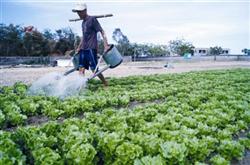
What types of water-soluble flush fertilizers are there? What should be noted when using them? Please advise.
There are many varieties and types of water-soluble flush fertilizers. Based on chemical properties and nutrient composition, they can be divided into three types: first, inorganic types such as urea, potassium dihydrogen phosphate, high-calcium type, high-potassium type, etc.; second, organic types, such as amino acid type, humic acid marine organism type, etc.; third, microbial types, such as yeast type, etc. In recent years, compound water-soluble flush fertilizer varieties have developed rapidly and can basically be divided into two categories. One category is compound formulations produced by scientifically processing and blending organic, inorganic, biological and other raw materials together. The other category is organic-inorganic liquid compound water-soluble flush fertilizers made by scientifically blending organic and inorganic materials. These new compound formulation water-soluble flush fertilizers need only one application to meet the crop's demand for multiple elements.
To use water-soluble flush fertilizers scientifically, the following points must be noted: First, the fertilizer variety must be chosen correctly. Water-soluble flush fertilization is by no means as simple as "fertilizer flushed with water." It must be selected according to different crops. For example, when growing vegetable crops that need more nitrogen, urea or ammonium nitrate can be chosen. Second, the application method must be appropriate. Before applying water-soluble flush fertilizer, the solid fertilizer should first be dissolved in water to make a stock solution, and then diluted with water for flushing application. For some shallow-rooted vegetables and other crops, or when soil application is inconvenient, the prepared fertilizer can be applied with irrigation water. During the flushing application, the water volume should be well controlled to ensure that nutrients are distributed evenly in the field. Third, the fertilizer dosage and application concentration must be reasonable. Excessive dosage and overly high concentration can easily produce toxic and harmful gases such as ammonia, nitrogen oxides and hydrogen sulfide, causing crop poisoning. In addition, never directly scatter solid water-soluble flush fertilizer in the field and then irrigate to flush it, because this easily causes uneven fertilizer distribution and can even burn the seedlings. After the fertilizer solution is flushed on, timely cultivating and loosening the soil will give better results. Fourth, compound water-soluble flush fertilizers containing microbial formulations should be stored in a cool place, avoiding direct sunlight and excessive damp heat, and must not be mixed with fungicides. If they cake, they can still be used, and this does not affect fertilizer efficiency.
Click to get more water-soluble fertilizer application techniques
Click to get more fertilizer application techniques