-

Symptoms and Control Methods of Southern Blight in Hyacinth and Carnation
[Symptoms] The whole plant wilts, with white mycelial strands or rapeseed-like small tea-brown sclerotia winding around the stem base, and the affected parts turn brown and rot. Large numbers of white mycelial strands and tea-brown sclerotia are visible on the soil surface. The disease occurs at the stem base near the soil surface, causing browning and rotting. When the diseased stem tissue is cut open, tea-brown or dark-brown rot develops from the outside toward the center.
-

What are the control methods for stem rot in carnations?
Stem rot is a devastating disease of carnations. The main affected parts are the lower branches and leaves. The lesions are round, oval and irregular in shape, red-brown, turning dark brown in severe cases and grayish white to gray in the later stages. The diseased leaves do not fall off after drying out. When a lesion on a branch encircles the stem
-
Common Physiological Diseases in Carnation Cultivation and Their Prevention Methods
The main physiological diseases in carnation cultivation include split calyx, bent flower heads and albino leaves. The first two in particular can significantly reduce cut flower quality. (1) Split calyx. Large-flowered varieties are more prone to split calyx than medium-flowered varieties, sometimes with more than 50% of flowers affected
-
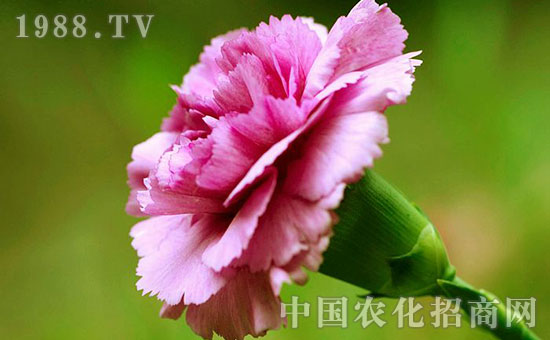
How to prevent and control carnation leaf spot? A detailed guide to practical methods
Carnation leaf spot, also known as branch rot and stem rot, is a worldwide disease that harms carnations most severely, and also harms Dianthus barbatus (sweet William), Dianthus chinensis, Dianthus plumarius, Saponaria officinalis and others. In Shanghai, Hangzhou, Guangzhou, Kunming and southern Jiangsu Province, areas where carnations are propagated are also affected by this disease
-
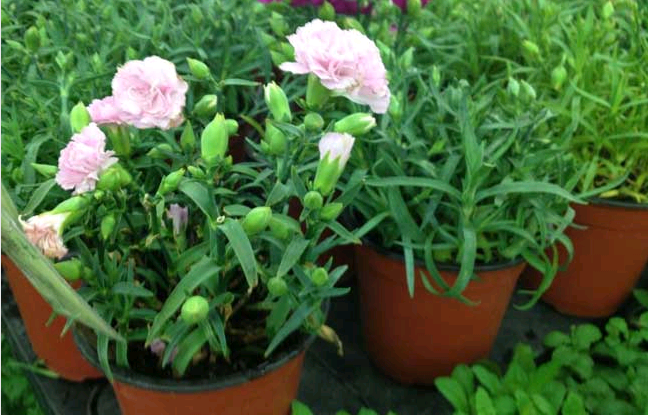
Carnation Propagation Methods and Management Key Points
Carnations are generally propagated by cuttings. Cuttings are taken in early spring. Choose the 3rd to 4th lateral bud on the middle part of the stem as the cutting; shoots sprouting from the root crown are the best. Taking cuttings when flower buds are forming is more suitable. After cutting the slips, they should be inserted immediately. Do this on a cloudy day or in the morning. After the slip is cut, dip the cut base in charcoal powder
-
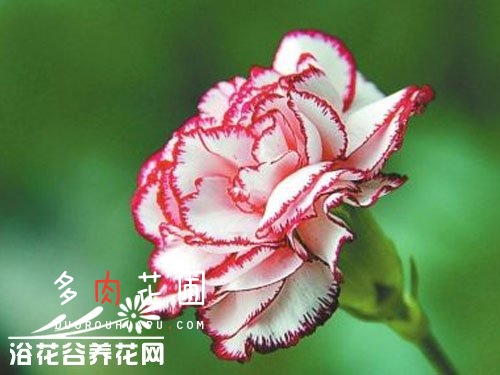
How can carnations be propagated by cuttings so they root easily?
Carnations are mainly propagated by cuttings. Since cutting material is plentiful, growth is fast and the survival rate is high, this helps speed up propagation. Cuttings can be taken in any season except the hot summer. In production, indoor cuttings from January to March are preferable, so that the plants can bloom in winter and spring. Especially when cuttings are taken from late January to early February
-

What Does the Carnation Represent? A Full Analysis of Its Floral Meaning
What Does the Carnation Represent
-

What Do Carnations Mean? A Detailed Explanation of Carnation Flower Language and Symbolism
What Do Carnations Mean? The Flower Language of Carnations
-
-
条件筛选