What Does the Carnation Represent? A Full Analysis of Its Floral Meaning
For many of us, our idea of the carnation comes from Mother's Day. That's right - the story of the carnation and Mother's Day will be introduced in the article below, but is the meaning of the carnation only about giving it to mothers? What do carnations of different colors represent?
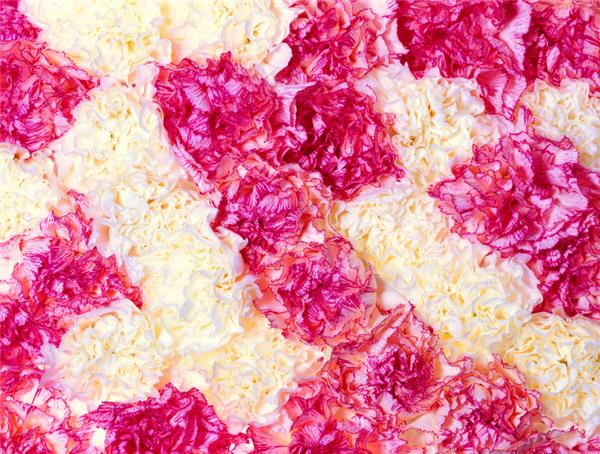
Carnation floral meaning:
Passion, charm, love that makes one gentle and tender, true feeling, Mother I love you, warm blessings, loving you, kindness, selfless maternal love, tolerance, flower of mothers, deep family affection, longing for family, pure affection and admiration, passionate love, warmheartedness, sorrow and regret, greatness, sacredness, consolation, spiritual connection, sincerity, good luck, longing.
Floral meanings of carnations in different colors
White: sweet and lovely, innocent and pure, pure love, a gift that brings women good luck, purity, pure friendship, my living love, my love endures forever, faith, elegant love, true feeling, respect
Pink: I will never forget you, beauty, youth, love, wishing mother forever young and beautiful; being moved, brightness, maternal love, a woman's love, I love you passionately
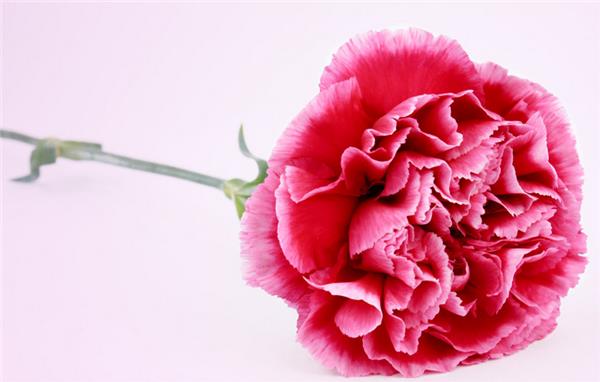
Red: my heart aches for you, admiration, worship, infatuation, family affection, passionate love, warmth, a wounded heart, longing, believing in your love, wishing mother health and longevity, wishing you good health
Yellow: you disappoint me, abandonment, contempt, long-lasting friendship, gratitude to mother for her grace, rejection, humiliation, disdain, eternal thanks, deep friendship
Variegated: rejecting your love
Purple: willfulness, unpredictability
Beige-pink: melancholy
Dark red: passionate love
Peach pink: loving you
Striped: I'm sorry
Mottled: rejection, I cannot be with you
Anecdotes and trivia about the carnation
In Greek mythology there are many legends about the carnation. It is said that in Greece there was a young girl who made her living by weaving carnation wreaths; her craftsmanship was exquisite and she was much admired by painters and poets, but because her business thrived, she drew the envy of others in the same trade and was ultimately assassinated. To commemorate this girl, the sun god Apollo turned her into a beautiful carnation. Therefore, in Greece, some people call the carnation the flower crown, the crown, extolling its sacred status.
In France, legend says the carnation was created when the goddess Diana, afraid of being tempted by a handsome shepherd boy, dug out his eyes and threw them to the ground, where they turned into the flower; that is why the French call the carnation Qeillet, meaning "little eye." There is also a legend that the carnation is a flower from lovers' graves, and it is often used as an offering flower at funerals. It is further said that when Christ was born, this flower grew up from the ground, so it is a flower of celebration. In any case, throughout the year, whether in celebration or in mourning, its lovely face appears, and it is especially indispensable at Mother's Day.
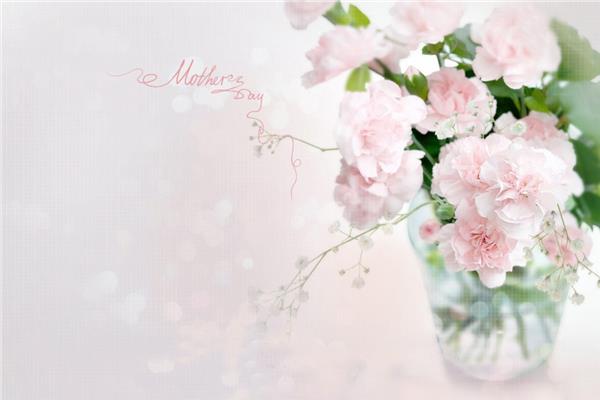
In Philadelphia in the United States there was a Miss Anna Jarvis. Her mother passed away on May 9, 1906, and she was deeply grieved and could not stop missing her. On the anniversary of her mother's death the following year, she wore a white carnation on her lapel in remembrance, and at the same time she appealed to the public to establish a holiday honoring mothers, on which daughters would present red carnations to their mothers still living, in gratitude for the grace of raising them.
That's all for now on what the carnation represents. I hope the above content helps you better understand this question. Stay tuned for more wonderful content~