What Do Carnations Mean? A Detailed Explanation of Carnation Flower Language and Symbolism
Carnations are a flower with beautiful symbolism, very suitable for giving to others, especially elders. Let's learn some relevant knowledge about them below.
What Do Carnations Represent
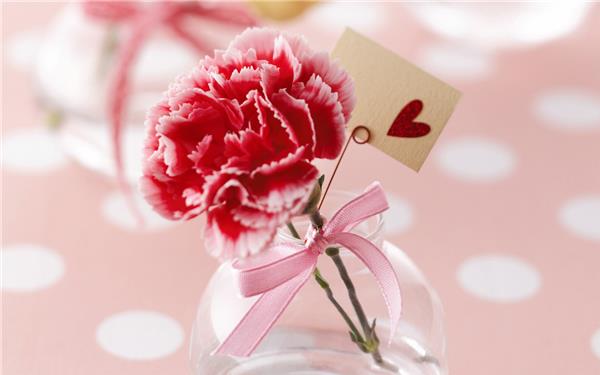
Carnations symbolize passion, charm, love that makes one tender, true feelings, "Mother, I love you," warm blessings, loving you, warmth, kindness, selfless maternal love, tolerance, the flower of mothers, deep family affection, longing for family, pure admiration, passionate love, warmth, sorrow and regret, ⟦?⟧pain, greatness, sacredness, kindness, condolence, spiritual connection, sincerity, good luck, longing, and other symbolic meanings.
The symbolic meanings of carnations in different colors, and what carnations represent, are different:
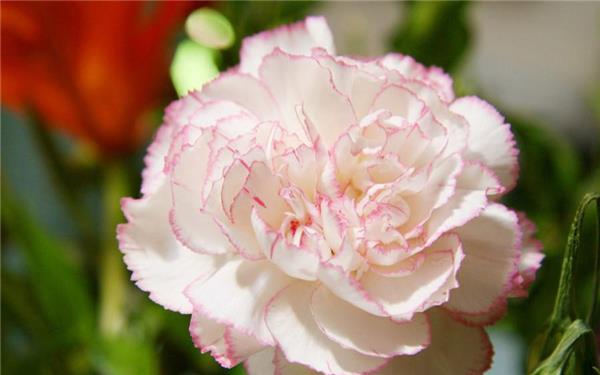
White: sweetness and loveliness, innocence, pure love, a gift that brings good luck to women, purity, pure friendship, my living love, my love endures forever, faith, elegant love, true feelings, respect.
Pink: I will never forget you, beauty, youth, love, wishing mother forever young and beautiful; being moved, brightness, maternal love, a woman's love, I love you passionately.
Red: my heart aches for you, appreciation, admiration, obsession, family affection, passionate love, warmth, a wounded heart, longing, believing in your love, wishing mother health and longevity, wishing you good health.
Yellow: you disappoint me, abandonment, disdain, lasting friendship, gratitude to mother, rejection, reproach, contempt, eternal gratitude, deep friendship.
How to Care for Healthy Carnations
Light and temperature: some flower lovers report that during the growing process, symptoms such as leaf withering appear. This problem is mainly caused by temperature and light conditions not being controlled well. When the temperature is above 30 degrees, it easily causes withering symptoms. The most suitable environmental temperature for carnation growth is 13-25 degrees, and light conditions should be controlled at 6-8 hours per day. This can ensure normal growth of potted carnations. A preference for strong light is an important characteristic of carnations. Whether for indoor overwintering, potted summering, or greenhouse forcing cultivation, sufficient light is needed, and they should all be placed in a sunny position with direct light exposure.
Pruning and pinching: to promote branching, remove the top when the plant height is 15-20 cm. Generally keep 6-7 lower side buds, then pinch once more later, finally giving the plant 12-14 side branches. When buds are forming, keep only one terminal bud per branch, and remove all lower axillary side buds and side shoots. The second pinching must be done before mid-August. After the first flowering, promptly cut off the flower stems, keeping only two buds at the base of each branch. Through such repeated pinching, the plant shape can be made graceful, with abundant flowers and brilliant colors.
How to Treat Carnation Diseases
Carnation leaf spot: also known as stem rot, it is a serious disease of carnations. It mostly occurs on leaves and stems, and sometimes also on buds and flowers. On leaves, the disease mostly starts from the lower part, first producing small light green water-soaked round spots, which gradually turn purple. As the lesions expand, the centers of the lesions die. After pinching buds and cutting flowers, you can choose Bijunsha 800-1000 times solution, Penkejun 2000-3000 times solution, or 75% chlorothalonil 500 times solution for spraying, and the effects are all very good. If the disease occurs during the growing period, promptly remove diseased leaves or pull out diseased plants, and spray the above-mentioned agents to prevent the disease from spreading.
Carnation gray mold: this disease mostly occurs on petals and flower buds, and occasionally on stems and leaves. After petals are infected, light brown water-soaked areas first appear at the edges of the petals, and gradually most of the petals are invaded and colonized by gray fungi. At this time, if the temperature is relatively high and the humidity is relatively high, it easily causes rotting. Promptly remove diseased plants when found; spray Bijunsha 800-1000 times solution once about every 15 days, spraying 2-3 times in succession, with good control effects.
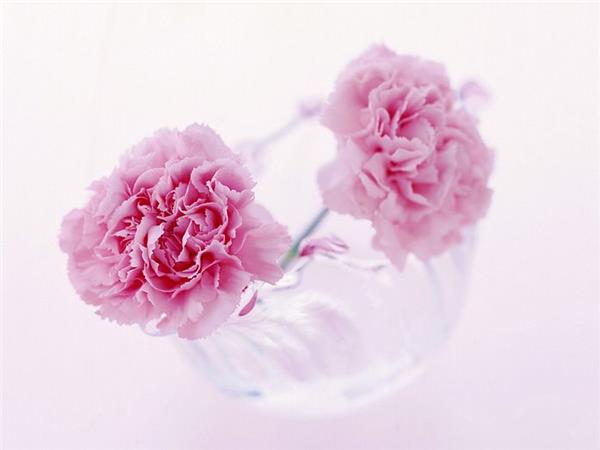
Giving others carnations you have grown yourself will show your absolute sincerity, but only if you have cared for carnations of good quality will the recipient be happy when you give them as a gift, so you must be careful and meticulous when growing them.