What are the care methods for elm bonsai?
There are several important factors in the care of elm bonsai:
1. Soil:
The elm is a deciduous tree plant with very strong vitality. Generally, fertile soil rich in humus is sufficient for growing it. However, the plant's root system is not very developed. Although it can adapt to both acidic and alkaline soil, deep plowing is best.
2. Temperature:
The elm is a plant with very strong adaptability, and there are few things to pay attention to regarding temperature. In particular, the plant's cold resistance is also very good, so there is no need to worry at all about growing it in winter.
3. Light:
Elm growth requires sufficient light, and the plant's shade tolerance is also relatively poor, so during daily care it is best to place it in a spot indoors with good light. If the light is insufficient, it easily makes the leaf color unattractive and also easily breeds various pests and diseases.
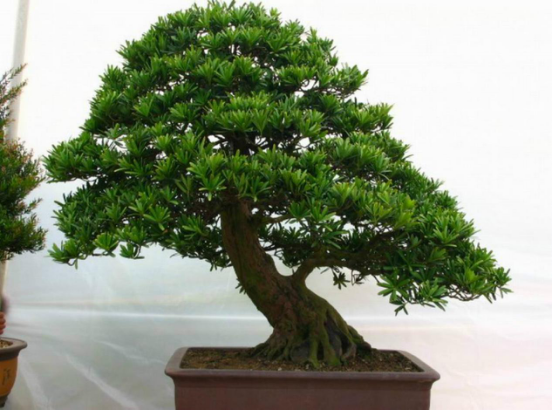
4. Watering:
Although the elm very much likes a moist growing environment, the plant is also afraid of waterlogging, so when watering, the amount of water must be controlled. Water thoroughly and just keep the pot soil moist; do not let water accumulate. If waterlogging occurs, it needs to be treated as soon as possible.
5. Fertilizing:
The elm does not have a high demand for nutrients. Generally, fertilizing once in early spring and once in early autumn is already enough, and it should not be over-fertilized.
6. Pest and disease control:
The elm actually does not have many pests and diseases. Generally, it is pests such as aphids or scale insects. When this happens, omethoate can be diluted with 1000 times water and sprayed on the plant's leaves, and the plant will soon be treated.
How to grow elm bonsai? How to make elm bonsai
Image: Small elm bonsai
[Common questions] How to grow elm bonsai? How to make elm bonsai
[Expert answer]
How to grow elm bonsai?
1. Increase light.It likes sunlight by nature and is slightly shade-tolerant, so it should be placed in a sunny place. If there is insufficient sunlight, it will produce leggy branches, the leaf color will be poor, and it will also easily lead to pests.
2. Keep the pot soil moist but not waterlogged.The elm likes to grow in moist places, but it is also afraid of waterlogging. Therefore, when spraying water, water thoroughly, and in the midsummer period it should be watered once in the morning and once in the evening. If water accumulates in the pot, drain it as soon as possible.
3. Fertilize appropriately.Use peanut cake fermented into liquid fertilizer, or crush peanut cake to thumb size and bury it in the soil; it is also suitable to use some compound flower fertilizer. Fertilizing should be done once each in early spring and early autumn, and it should not be over-fertilized.
4. Prune and shape in time.The elm's sprouting ability is extremely strong, and the three groups also grow very quickly. If not pruned, the stump bonsai will lose its ornamental value. Pruning and shaping can be done in autumn. First cut off useless branches and diseased branches, then trim the branches according to the formed shape or the posture after forming.
5. Elms often suffer from aphids and scale insects,and omethoate diluted 1000 times with water can be used for spraying to kill them. Elm stumps are not only used for bonsai appreciation, but can also serve as ornamental trees for courtyards, forming a scene by themselves with excellent effect. However, when transplanting large tree stumps, they must be accompanied by native soil, and it must be done before leaf sprouting in winter or spring. After planting, wrap the trunk with rice straw mixed with yellow mud water, and water frequently to keep the soil and rice straw moist.
Making elm bonsai:
1. Seedling source
Elm stumps are mostly dug up from the wild. Wild stumps have strange and changeable postures, winding and twisting, ancient and lovely, form quickly, and have relatively high ornamental value.
2. Potting
The best time for potting and planting is February to March in spring, and it can also be done in autumn. Before planting, prune the root system and branches and leaves once. To prevent excessive loss of elm sap, which can cause the wound to rot and the plant to die, apply a medical eye drop or sulfonamide ointment to the wound, then plant it in the ground or in an earthenware pot with plain sandy soil for cultivation. After the stump has been cultivated, it should be potted in a fine pot. Use loose and fertile garden soil or leaf mold, which is beneficial to root development. For its bonsai pot, purple clay ceramic pots or glazed ceramic pots are suitable, with rectangular and oval shapes as the main types, and plain colors are best for the pot color.
3. Shaping and pruning
For shaping, the elm should mainly be pruned, combining pruning and wiring. According to the basic form of the old stump, various styles can be made, such as straight trunk style, curved trunk style, slanting trunk style, lying trunk style, or cascade style. Because its root system is developed, it can also be made into raised-root style or root-on-rock style bonsai. Elm branches and trunks are soft and can be wired into bonsai of various styles. Elm branches and leaves tolerate pruning, so they can be cut into cloud style, or cut into any desired shape according to the creator's intention.
[Editor's comments] The elm has relatively strong sprouting ability during the growing period. To maintain the beauty of the bonsai, it must be pruned regularly. The editor of First Agricultural Economics above introduced for you the making method of elm bonsai, as well as the key care points of the bonsai. Friends who grow elm bonsai can learn more about it. In addition, remember to repot once every 2-3 years so the bonsai can grow vigorously!
How to grow elm bonsai
Elm, especially old elm stumps growing in the wild, have experienced many years of human chopping and hacking, or wind stripping and rain erosion, animal gnawing, and so on, gradually forming many different strange postures. Some have gnarled roots and interlacing branches, vigorous and ancient; some turn decay into wonder, with withered roots and new leaves, offering a distinctive view. Many people like to grow elm bonsai. Do not know how to grow elm bonsai? Come and take a look at the elm bonsai care tips introduced below! The elm's growth habits are that it likes light, tolerates cold, resists drought, and does not tolerate waterlogging. It can adapt to dry and cool climates; it likes fertile, moist, and well-drained soil, and can also grow in arid, barren, and slightly saline-alkaline soil. It grows relatively fast; in 30 years the tree height is 17 m and the diameter at breast height is 42 cm. Its lifespan can reach more than a hundred years. Its sprouting ability is strong and it tolerates pruning. The main root is deep, and the lateral roots are developed. It has strong wind resistance and soil retention. It also has relatively strong resistance to toxic gases such as smoke and dust and hydrogen fluoride.
Key points of this article
Elm flower pot
Increase light. It likes sunlight by nature and is slightly shade-tolerant, so it should be placed in a sunny place. If there is insufficient sunlight, it will produce leggy branches, the leaf color will be poor, and it will also easily lead to pests.
Keep the pot soil moist but not waterlogged. The elm likes to grow in moist places, but it is also afraid of waterlogging. Therefore, when spraying water, water thoroughly, and in the midsummer period it should be watered once in the morning and once in the evening. If water accumulates in the pot, drain it as soon as possible.
Fertilize appropriately. Use peanut cake fermented into liquid fertilizer, or crush peanut cake to thumb size and bury it in the soil; it is also suitable to use some compound flower fertilizer. Fertilizing should be done once each in early spring and early autumn, and it should not be over-fertilized.
Prune and shape in time. The elm's sprouting ability is extremely strong, and the three groups also grow very quickly. If not pruned, the stump bonsai will lose its ornamental value. Pruning and shaping can be done in autumn. First cut off useless branches and diseased branches, then trim the branches according to the formed shape or the posture after forming.
Elms often suffer from aphids and scale insects, and omethoate diluted 1000 times with water can be used for spraying to kill them. Elm stumps are not only used for bonsai appreciation, but can also serve as ornamental trees for courtyards, forming a scene by themselves with excellent effect. However, when transplanting large tree stumps, they must be accompanied by native soil, and it must be done before leaf sprouting in winter or spring. After planting, wrap the trunk with rice straw mixed with yellow mud water, and water frequently to keep the soil and rice straw moist.
Precautions
Elm bonsai needs repotting, generally once every 2-3 years, and the time should preferably be chosen during the spring growth period.