-

What are the common pests of canna lilies? A detailed guide to control methods
Canna lily is a plant that does not demand much from its growing environment, is easy to cultivate and easy to propagate, and has a long flowering period. It is a common greening and eco-friendly plant along roadsides, and is used in many courtyards to beautify the surroundings. Generally, as long as there is plenty of sunlight and plenty of water, it can be grown anywhere.
-
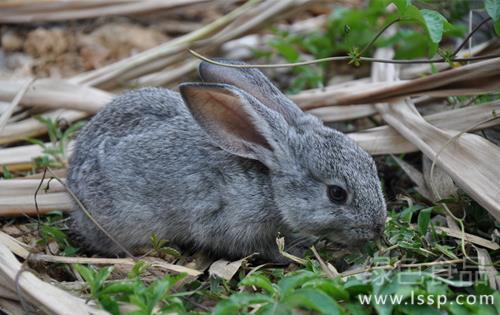
Rabbit hemorrhagic disease spreads fast and has a high mortality rate. How can it be prevented and controlled in autumn?
Rabbit hemorrhagic disease spreads fast and has a high mortality rate. How to prevent and control it in autumn?
-
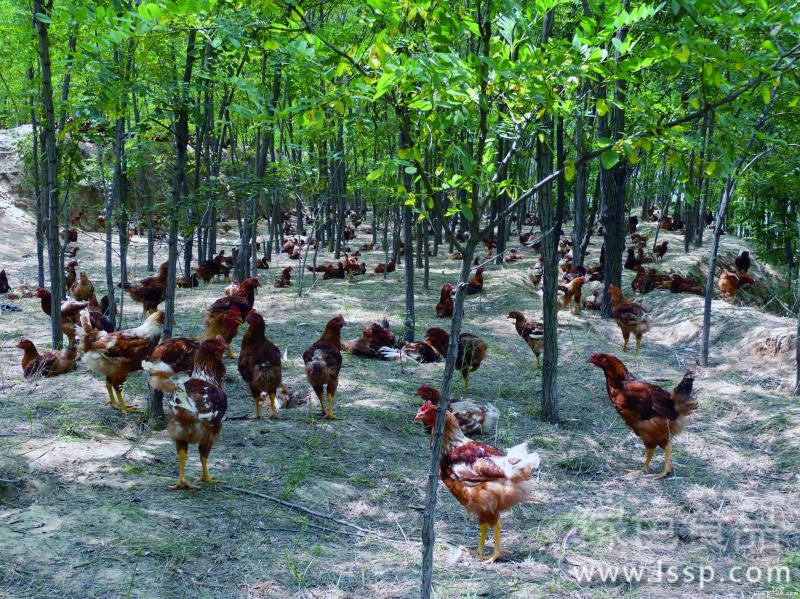
Chicken tapeworm disease can cause the death of chicks; how to prevent and control it on chicken farms in summer
Chicks infected with tapeworms are prone to death; how to prevent and control chicken tapeworm disease on chicken farms in summer
-
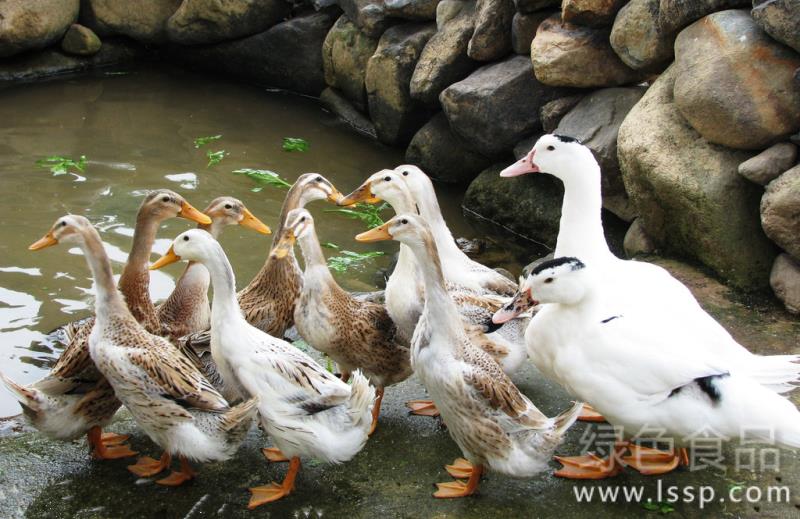
Duck foot pad swelling can cause death; how to prevent and control it scientifically
Foot pad swelling can also cause duck death; how to prevent and control duck foot pad swelling
-
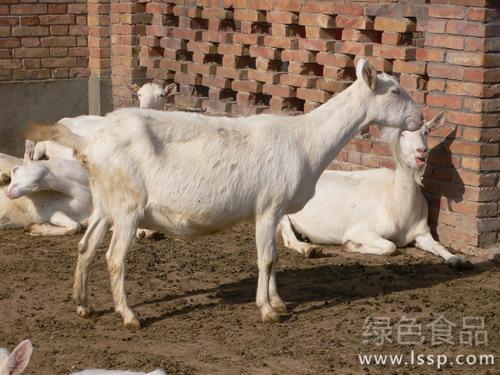
Sheep soft kidney disease is prone to occur in early summer. How can farmers prevent and control it?
Sheep are prone to soft kidney disease in early summer. How to prevent and control sheep soft kidney disease
-
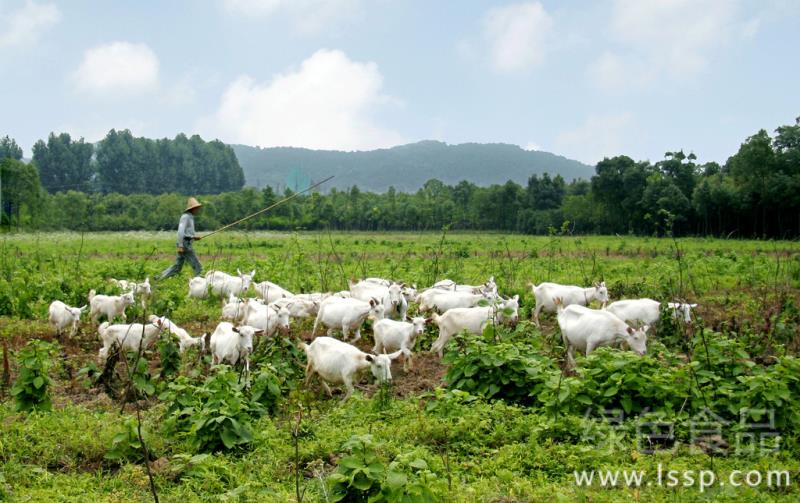
Sheep epidemics are contagious and have a high mortality rate; how can large-scale sheep farming prevent and control them?
Sheep epidemics are contagious and have a high mortality rate; how can large-scale sheep farming prevent sheep epidemics?
-
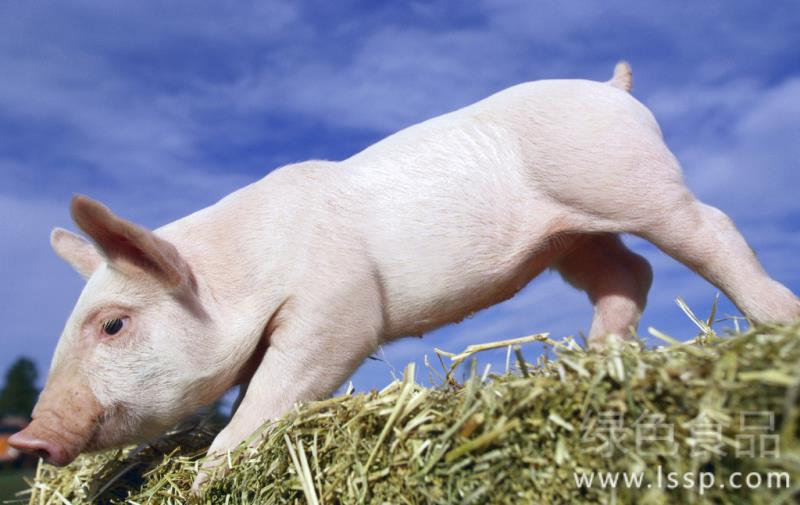
Diarrhea can cause piglet death: how to prevent and control diarrhea in piglets
Diarrhea can cause piglet death: how to prevent and control diarrhea in piglets
-
How can cold-water fish farming effectively prevent and control pathogens?
1. Establish a strict quarantine system. When introducing and exporting fish eggs and fry, all farming areas must strictly carry out quarantine to prevent and control the occurrence of diseases. Farms should set up quarantine ponds to isolate introduced fish species; only after the introduced fish are confirmed free of important diseases may they be temporarily reared. Quarantine ponds are generally located at the end of the drainage ditch. The length of quarantine time should be determined by the transport season, water temperature, and the characteristics of the disease. When the average temperature is not lower than 12°C, 20 days are required; when the water temperature is higher, it can be shortened, which is determined on the basis that the lower the temperature, the longer the incubation period. If
-
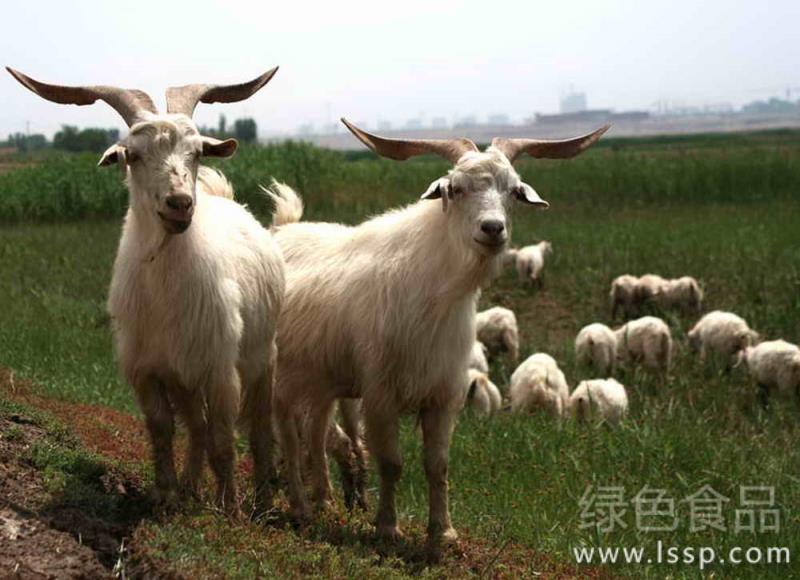
Sheep foot-and-mouth disease has a high mortality rate; how can it be prevented and controlled scientifically?
Sheep foot-and-mouth disease has a high mortality rate; how to prevent and control foot-and-mouth disease in sheep
-
What to do when deer bite wool? Rock salt can be used for prevention and control
Deer wool-biting disease, also called pica for wool, is a chronic metabolic disease caused by disorders of the digestive tract and nervous system functions, resulting in abnormal taste. The main causes are that in late winter and early spring, long-term feeding of rain-soaked, sun-dried hay or improper feeding management, incomplete nutrition, and excessive deer herd density can all cause the disease. The incidence rate sometimes reaches 100%. At the beginning of the disease, only individual deer gnaw and bite, and later most deer bite each other, and some also eat the bitten-off wool, swallowing it in clumps after slight chewing, and as the stomach moves it can roll into
条件筛选