Sheep soft kidney disease is prone to occur in early summer. How can farmers prevent and control it?
Enterotoxemia of sheep, also known as sheep soft kidney disease, has the characteristics of being acute and having a high mortality rate. It is named because thesheepkidneys become as soft as mud after death. The pathogen of soft kidney disease is Clostridium perfringens type D, which is widely distributed. This bacterium is also present in the intestines of healthy sheep. When feed is suddenly changed, especially after sheep eat a large amount of young, tender, juicy feed or feed rich in protein, gastrointestinal function weakens, the bacterium multiplies in large numbers, produces toxins, and the body absorbs them and becomes ill, so it is called “enterotoxemia”.
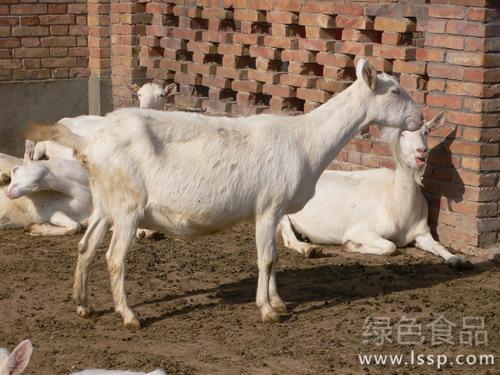
sheep
Late spring and early summer are the high-incidence season for sheep soft kidney disease. It mostly occurs in young sheep with better body condition that have eaten a large amount of young, tender, green, juicy feed such as green grass or green vegetables. When fattening sheep and dairy sheep eat too much concentrate and do not exercise enough, they are also prone to this disease.
Symptoms
Most cases are acute, with sudden death. Sheep with slow disease progression often show neurological symptoms, such as tilting the head backward, circling, walking blindly, and so on, then falling to the ground, becoming comatose, and dying. Some show depression, drooling, or diarrhea. Generally, body temperature is not high, but the sugar content in sheep urine increases by 2% to 6%.
Pathological changes
The kidneys soften like mud and ulcerate with slight pressure. The liver is enlarged, brittle and soft, with gas under the capsule. The gastrointestinal tract, especially the abomasum and small intestine, shows hemorrhagic inflammation. There is fluid accumulation in the body cavities, especially in the pericardium. Systemic lymph nodes are enlarged, with a dark brown cut surface.
Prevention and control methods
In late spring and early summer, avoid sheep eating a large amount of young, tender forage at one time.
Preventive injection. Sheep can be vaccinated with the triple vaccine for sheep braxy, sudden death disease, and enterotoxemia. For sheep under six months old, inject 5 to 8 milliliters subcutaneously at one time; for sheep over six months old, inject 8 to 10 milliliters subcutaneously at one time.
Treatment. Sheep soft kidney disease comes on relatively quickly, and treatment is often ineffective. If the disease course is slow, sulfonamide drugs and antibiotic drugs can be used, with obvious therapeutic effects.