-
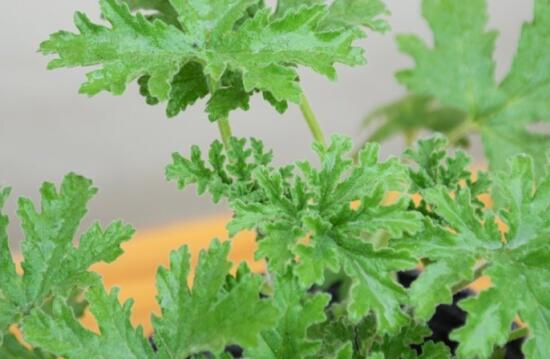
What to Do When Mosquito Repellent Plant Has Bugs? Pest and Disease Control and Swallowtail Butterfly Elimination Methods
Every summer, many people keep a few pots of mosquito repellent plant at home, because with it, there is no need to worry about mosquitoes daring to come near! However, the mosquito repellent plant cannot repel all insects, and if it is not cared for properly, it can also be attacked by pests and diseases. So what should you do when the mosquito repellent plant has bugs
-
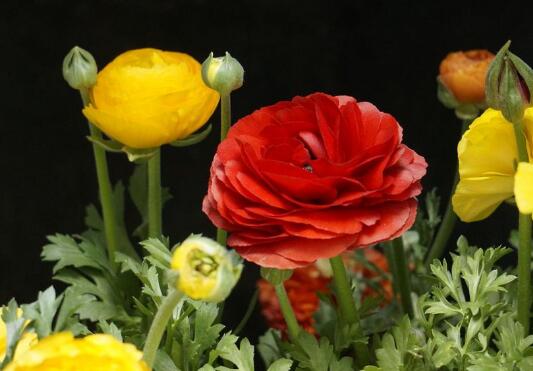
How to grow Persian buttercup (Ranunculus asiaticus)? Growing methods and precautions, avoid strong light
Persian buttercup is a world-famous flowering plant with high ornamental value, and people all over the world grow it. However, to grow it well, there are still many points that need attention. Regarding how to care for Persian buttercup, what are the growing methods and precautions? Below, the editor will walk you through it
-

A Detailed Explanation of Key Precautions and Technical Points for Button Mushroom Cultivation
Precautions for Button Mushroom Cultivation
-
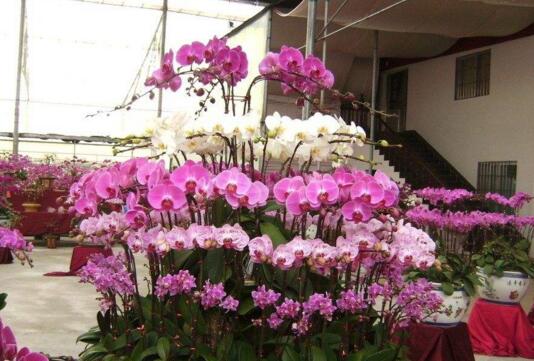
What to Do When a Butterfly Flower Has Root Rot? Three Steps - Pruning, Disinfection and Repotting - to Bring It Back from the Dead
When we grow butterfly flowers, improper watering or pathogen-containing soil can cause the roots of the butterfly flower to rot. This phenomenon is called root rot in botany, and it has a fatal effect on the plant's growth.
-
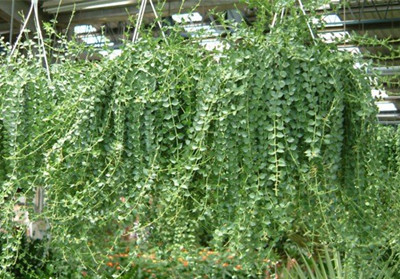
How to care for the Million Hearts plant? Growing methods for String of Nickels and Button Jade
Million Hearts (Dischidia nummularia) is native to Australia and is a new foliage variety introduced in recent years. It likes moisture and a semi-shaded environment, is fairly drought-tolerant, and its optimum growing temperature is 20°C to 30°C. For the growing medium, generally choose a material with good aeration; you can mix snake wood shavings with an appropriate amount of perlite to make a nutrient soil. Million Hearts is highly drought-tolerant
-
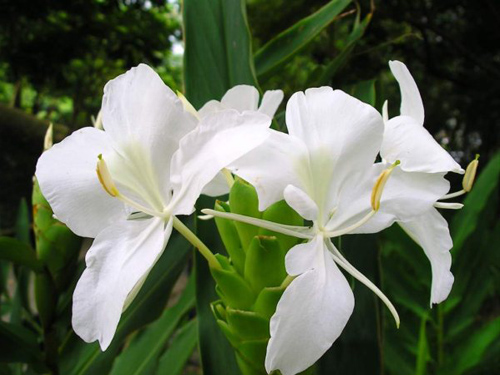
How to grow ginger lily? Introduction to and care for butterfly lily, garland flower, and ginger lily
Ginger lily (butterfly lily, garland flower, ginger lily) scientific name: hedychiumcoronarium. Aliases: wild ginger lily, butterfly ginger, garland flower, butterfly flower, white butterfly flower, fragrant snow flower, yehansu, ginger lily, turmeric. Morphological characteristics: underground stems tuberous, creeping horizontally and aromatic, shaped like ginger
-

Butterfly Farming Techniques Explained: Environmental Management and Rearing Methods
Butterfly Farming Techniques
-

Detailed Explanation of Grading and Packaging Standards for Button Mushrooms (Agaricus bitorquis)
Quality Standards Basic quality requirements: fresh and clean, free of abnormal odor or taste, free of abnormal foreign moisture, carefully picked, fully developed, with maturity suitable for market or storage requirements. Special grade: same variety, excellent shape and color, cap not opened, with the inherent color of the variety, no water damage, no rot. Grade I: same variety, normal shape and color, cap not opened, with the inherent color of the variety, no water damage, no rot, no pests or diseases or other damage. Grade II
-
Butter Crab
The butter crab is a rare and prized crab species that has emerged in recent years as a delicacy in Guangdong, Hong Kong, China, and Macao, China, and is renowned throughout southern China, earning it the laudatory title "king of crabs." Its price tops that of all domestic crabs; in Hong Kong, China restaurants it is priced by the tael, with every 50 grams selling for as much as several dozen Hong Kong dollars. So the butter crab can be said to be a uniquely precious seafood delicacy of the Guangdong-Hong Kong-Macao region. The "in-season" marketing period has arrived once again, making this the perfect time to savor it. Butter crabs grow in areas where saltwater and freshwater meet, so their places of origin are somewhat limited; they are found mostly in Lau Fau Shan in Hong Kong, China, and the Pearl River basin, especially at Humen Taiping (Benwan) in Dongguan City.
-
Unique and Colorful: A Brief Discussion of Butterfly-Type Floral Art in Chinese Cymbidiums
The "butterflies" among Chinese orchids, in all their myriad forms, have formed one of the most captivating groups in Chinese cymbidiums, collectively known as "Chinese Cymbidium Butterfly-Type Floral Art." Concept: In the flowers of Chinese cymbidiums, if 2 sepals (lateral sepals) or 2 petals (petals) undergo partial or complete mutation into a lip, then the flower colors of this type of orchid become richer and more varied. Usually the lip-transformed perianth segments bear colors such as green, white, red, and pale yellow. These mutated perianth segments curl backward or outward at the tip just like a lip (labellum), and their shape and color resemble butterfly
条件筛选