-
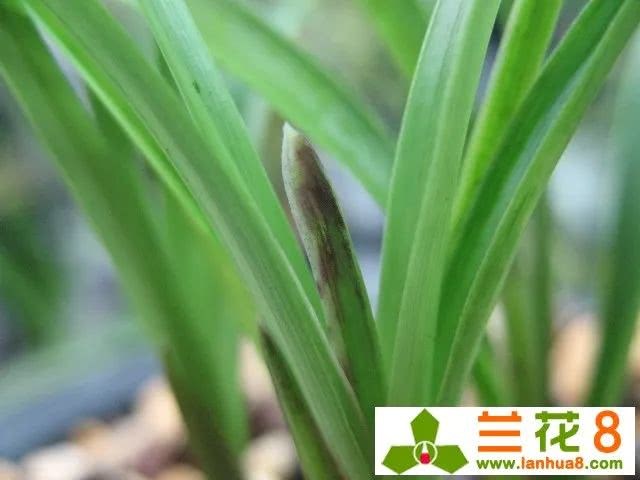
Detailed Explanation of Orchid Leaf Butterfly, Color Patches and Crystal Art Characteristics
Promoting Chinese orchid culture and spreading orchid knowledge. Butterfly grass, also called butterfly leaf or leaf butterfly, is a variation on orchid leaves, mostly occurring on the central leaves of the orchid plant, followed by the third and fourth leaves near the center; the phenomenon of the whole plant undergoing butterfly transformation is extremely rare. In orchid...
-
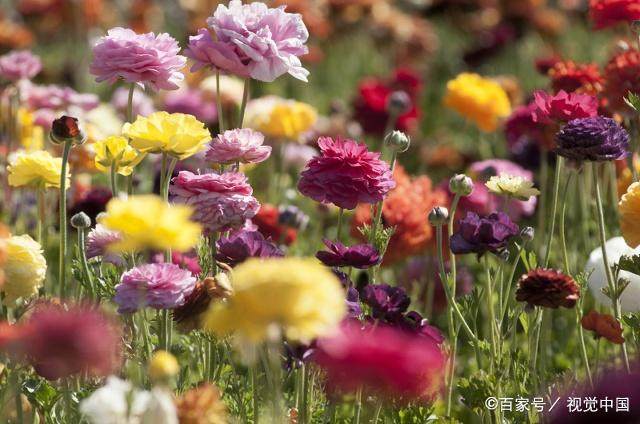
How to grow potted Persian buttercup? A flower symbolizing popularity, grow it this way to make it even more beautiful
Persian buttercup (Ranunculus asiaticus) carries the cultural meaning of "popularity"; people blessed by this flower are supposed to be easygoing, talkative, sociable, and well-liked and loved by everyone in everyday life. Now let's take a look at this popular flower together...
-
Is the Persian buttercup poisonous? Understanding the toxicity of the Persian buttercup and care precautions
This is a rather attractive plant, but beautiful on the outside and vicious on the inside. This plant has extremely severe toxicity and cannot be touched casually, let alone eaten. If touched, blisters and similar symptoms may occur; if eaten, there will be quite a few symptoms, and in severe cases it may even lead to death. Below we will explain in detail exactly where this plant's toxicity lies.
-
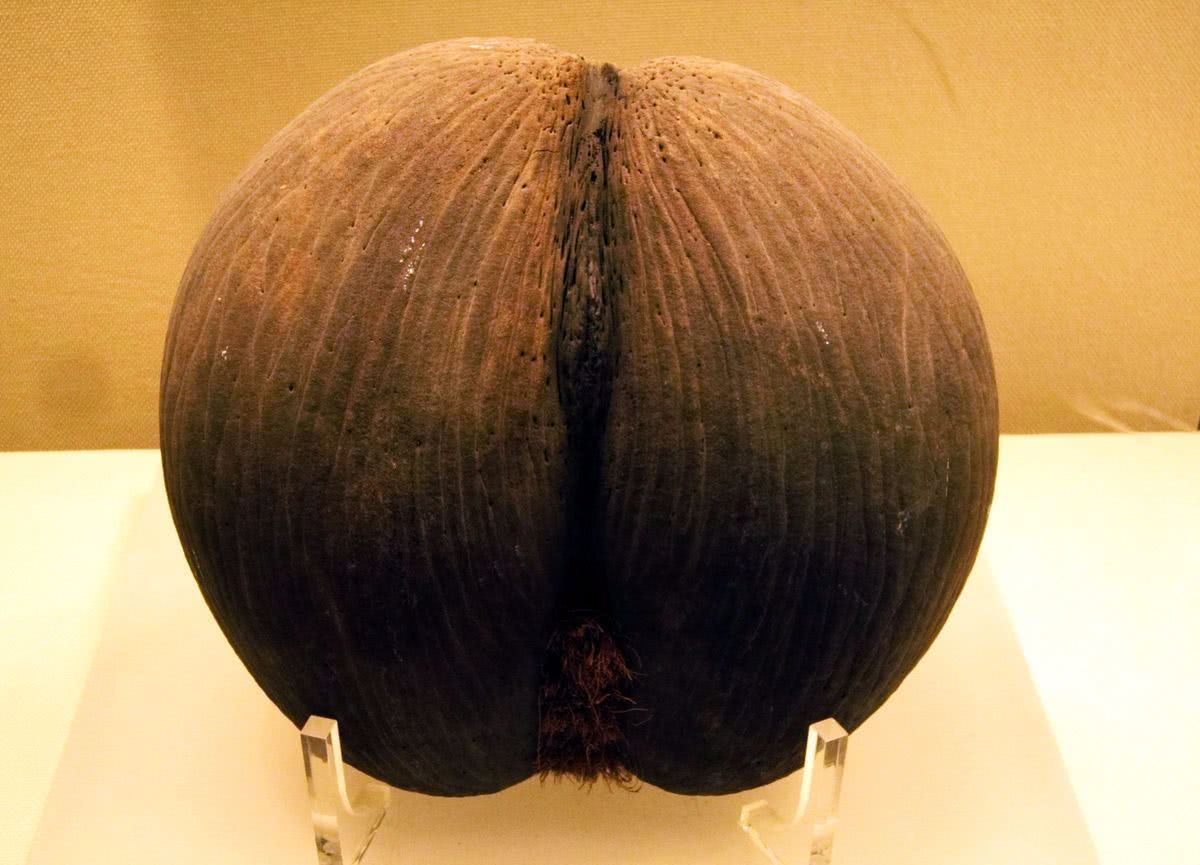
Report in, everyone. Up ahead I spotted a nice butt.
Today I'm talking about an interesting plant, known as the "fruit of the sea plant" - the sea coconut. It has another name too; anyone who sees what this fruit looks like should be able to guess it, because its appearance closely resembles a human buttocks, so in the early...
-
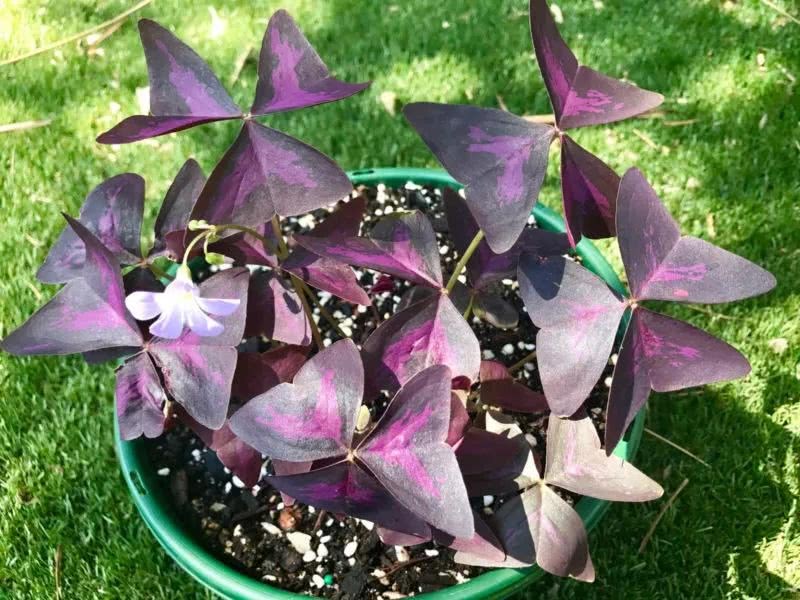
Potted plants grown on a windowsill are like a flock of butterflies dancing in your home
The plant I want to introduce to you below is called purple shamrock (Oxalis triangularis), and some people also call it just three-leaf clover. Its leaves look almost black, with purple markings at the center of the leaf, and sometimes they look like black butterflies, especially when grown on a windowsill...
-

A Detailed Guide to Growing and Propagating Persian Buttercups
Persian buttercup, also known as celery flower and Persian crowfoot, belongs to the Ranunculaceae family, genus Ranunculus. Because of its large flowers, numerous petals and rich colors, it is an excellent landscaping material for warm temperate regions, and can also be grown in pots and produced as cut flowers, with a very high rate of premium blooms. It is often cultivated in gardens in our country...
-
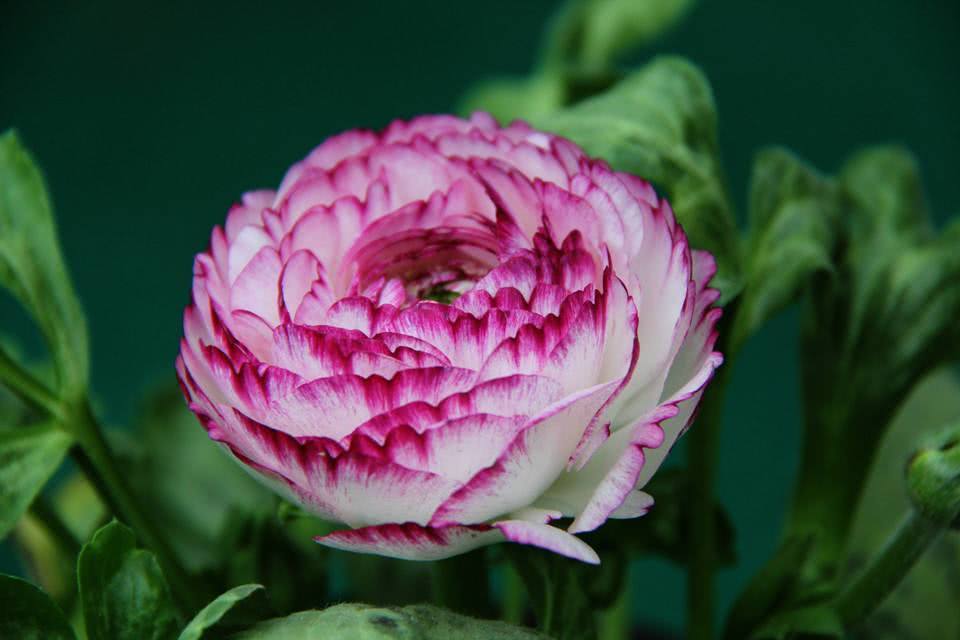
The Persian buttercup's flowers are gorgeous and symbolize prosperity and blooming wealth.
Its leaves look like celery and its flowers resemble peonies, hence the name "Persian buttercup". It is a perennial herbaceous plant with fibrous roots. The plant grows 20 cm to 40 cm tall, with spindle-shaped tuberous roots that often cluster in groups of several at the root crown; the stem is single or sparsely branched and hairy; basal...
-
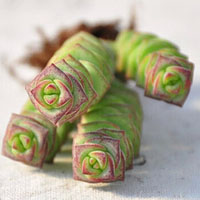
String of Buttons
String of Buttons gets its name because the plant closely resembles strings of ancient coins, and it is one of the small succulents much loved by people. Its plant form is unusual and dainty and cute, suitable for planting in small decorative pots and for decorating desks, windowsills and other places, fresh and elegant, full of charm.
-
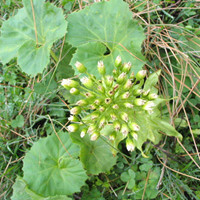
What are the growth advantages of butterbur? A detailed explanation
Butterbur is a herbaceous plant and a perennial. Its medicinal value is quite high, and it is said that it can even be eaten.
-
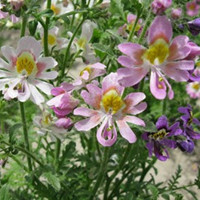
What kind of growing environment does the butterfly flower suit
The butterfly flower (Schizanthus) originates from Chile and is a biennial herbaceous plant whose plant form can reach 90 cm. It bears large, funnel-shaped flowers that are very beautiful.
条件筛选