-

Broadleaf Lady Palm Watering Methods and Causes of Yellowing Leaves with Solutions
Broadleaf lady palm (Rhapis excelsa) is a traditional and excellent potted foliage plant in China, very suitable for container growing. It has a distinctive form and unique shape, with very high ornamental value. If you can place such a potted plant in your home, it is not only a visual pleasure, but it is also
-
Is the camellia a deciduous plant or an evergreen plant?
Camellia is a four-season evergreen broadleaf small tree with smooth, grayish-brown bark. It prefers a cool and humid climate and cannot tolerate high temperatures. It is distributed in some high mountain areas of a few provinces and counties in southern China. I. Main products of camellia Camellia fruit: camellia fruit is commonly known as oil tea seed or camellia seed.
-
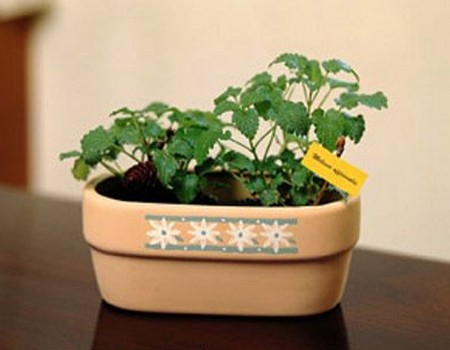
Detailed Guide to Making a Broadleaf Mahonia Bonsai
There are many varieties of broadleaf mahonia (Mahonia bealei). Common ones include the dense-spined broadleaf mahonia, whose leaf margins have denser spines, and the spineless broadleaf mahonia, whose leaf margins have no spines; these varieties are also often used to make bonsai. Mahonia has clustered stems, spreading branches and leaves, varied leaf shapes, and stays evergreen all year round. Especially when the old leaves turn orange-red alongside the newly sprouted emerald leaves,
-
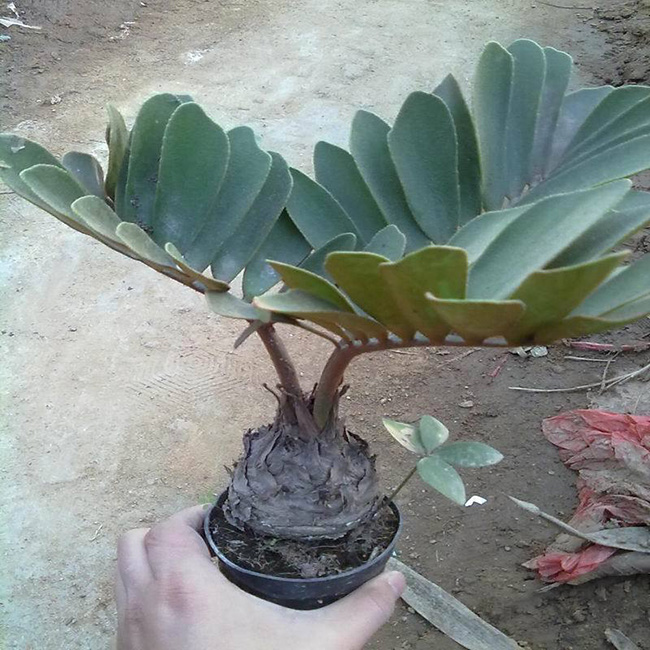
How to Grow Zamia furfuracea (Cardboard Cycad, Broadleaf Cycad)? Detailed Guide to Cultivation Methods and Precautions
Zamia furfuracea, also known as the cardboard cycad or broadleaf cycad, is a plant in the genus Zamia, native to the Americas and other regions. Morphological characteristics of Zamia furfuracea: trunk height 15-20 cm, single trunk or rarely branched, sometimes growing in clumps, thick stem, cylindrical, surface densely covered with rows of dark brown leaf scars
-
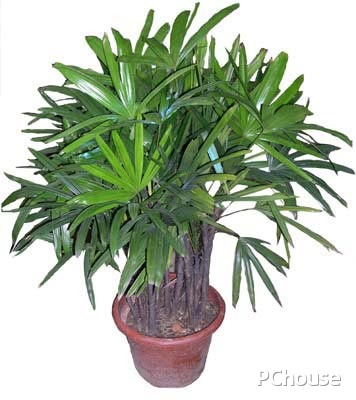
How to grow Rhapis excelsa (broadleaf lady palm)? These care tips make it easy to get started
Because Rhapis excelsa prefers a semi-shaded environment and must not sit in waterlogged conditions during cultivation, the following points should be noted when caring for it: 1. During the growing season, water should be sprayed on the leaves often; it is suitable for growing in pots. 2. Although Rhapis excelsa is shade-tolerant, it still needs appropriate light; too little light will cause the leaves to turn yellow.
-
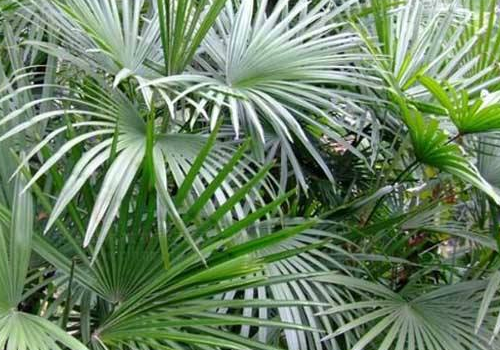
When to Divide Broadleaf Lady Palm and Why It Is Not Suitable for Growing at Home
Broadleaf lady palm is also one of the plants, and a great many people know about it. So when should broadleaf lady palm be divided? Why is it not suitable to grow at home: When to divide broadleaf lady palm: Broadleaf lady palm division propagation is generally carried out in spring when repotting. (The best time for division is March to April.
-
How to control broadleaf weeds in potato fields?
(1) Crop rotation: Rotation reduces the density of associated weeds, changes the dominant weed community in the field, and lowers the weed population in the field. (2) Plowing and turning: After the soil is plowed and turned multiple times, perennial weeds such as Ixeris denticulata are buried underground, causing the weeds to gradually decrease or decline in vigor, thereby inhibiting their growth and achieving the purpose of weed control. (3) Inter-row cultivation and hilling: This measure not only controls weeds but also has effects such as deep loosening and water storage and moisture conservation. For example, for open-field potatoes, inter-row cultivation is generally carried out the first time when the seedlings are about 10 cm tall,
-
Privet is an evergreen broadleaf tree species with strong resistance to pollution.
Privet is an evergreen tree of the genus Ligustrum in the olive family (Oleaceae). 1. Habits: Privet is native to China and Japan. It is light-demanding but tolerant of shade, prefers a warm, humid climate, and is suited to slightly acidic to slightly alkaline or calcareous soils. It can also grow in clayey soil with a salt content of 0.2%, can withstand low temperatures of -12°C, and is not tolerant of poor, thin soils. It is deep-rooted with well-developed fibrous roots, grows quickly, has strong sprouting ability, and tolerates pruning. It is not strict about climate, but is best planted in humid, sheltered, sunny spots, and grows especially well in deep, fertile soil rich in humus.
-
How to propagate broadleaf privet? Detailed propagation techniques
I. Seed propagation 1. Seed selection: In North China, late November to mid-December is the suitable period for seed collection. Choose trees with strong vigor, good form and strong resistance as mother trees. Carry out collection on a sunny afternoon, selecting seeds with high maturity, plump grains and no pests or diseases. After collection, dry them in a cool, ventilated place in the shade; avoid direct sunlight. 2. Soil mixing and land preparation: Select 2 parts fertile sandy loam with a pH of 6.7 to 7.0, 1 part high-quality peat soil, and 1 part field soil, then add 1.5 kg of diammonium phosphate and superphosphate
-
How to Grow Broadleaf Garlic? Detailed Explanation of Cultivation and Management Techniques
Plant name: Broadleaf Garlic Family: Liliaceae Variety (suitable for pot cultivation): Broadleaf Garlic Color: Light purple, purplish red General attributes - Region of origin: Central Asia - Bulb type/nutrient storage organ: Bulb - Variety habit *Height: 20cm *Flowering: Spherical, dozens of flowers *Flower shape: Star-shaped *Leaf color and shape: Blue-gray; oval - Requirements for breaking dormancy: Low temperature, 9°C
条件筛选