-

Experience Sharing on Feeding and Management of Breeding Ducks During the Brooding Period
To lay a good foundation for reserve ducks and breeding ducks, the feeding work during the brooding period must be done well. The brooding period for parent-stock breeding ducks is 0-4 weeks of age. After hatching, ducklings are very delicate and require artificial selection or creation of a suitable living environment, along with careful feeding and management so that they can fully
-
Key Points of Feeding and Management Techniques for Meat Ducks During the Brooding Period
Meat-type ducklings grow especially rapidly and have high requirements for feeding and management. They are also very sensitive to the environment and rather delicate; the slightest carelessness can cause stunted growth and even lead to increased mortality. Therefore, scientific feeding and management are needed, mainly carried out from the following aspects:
-
Rapid Finishing Breeding Technology for Meat Ducks in Multi-Tier Cages
I. Advantages of Cage Rearing for Meat Ducks: First, it makes full use of the duck house space, increases stocking density and raises output per unit area. Second, mechanized equipment can be used to reduce labor intensity. Third, the diet is nutritionally complete and feed intake is uniform, and the finishing time is shortened to about 60 days,
-
Feed Amount Control Methods for Breeding Ducks at Different Laying Stages
Early laying stage. The increase of feed amount in the early laying stage should follow the principle of gradual progress. Generally, the female duck flock begins to lay eggs at 21-22 weeks of age. After laying begins, the feed supply should be increased by 5-10 grams per duck per week according to the body weight of male and female ducks, so as to prompt the flock to reach a 5%
-
What are the prevention and control methods for feather pecking in meat ducks?
Feather pecking in meat ducks refers to the undesirable behavior during the rearing process in which one or more ducks in a flock peck their own feathers or peck at the feathers of other individuals. The pecked areas are mostly the back and wing tips, often causing sparse and broken feathers, bleeding hair follicles, and even torn skin; feathers are often eaten after being pecked out by the root.
-
Prevention and Treatment of Common Poisoning Diseases in Meat Ducks
1. Aflatoxin Poisoning (1) Cause: Meat ducks develop this disease after eating feed containing aflatoxin. (2) Clinical symptoms: This disease is mainly characterized by damage to the liver of meat ducks. Sick ducks gradually lose appetite, grow slowly, lose feathers, become lame
-
How to Feed Laying Ducks? A Detailed Guide to the Four-Observation Feeding Method
I. Feeding by Body Weight Determine the quality and quantity of feed based on the body weight and egg-laying rate of the laying ducks: (1) If the flock's laying rate is still above 80% while the ducks show a slight trend of weight loss, appropriately increase the amount of animal-based feed in the diet (fresh river snails are even better)
-
Comprehensive Technical Points for Raising Laying Ducks in Winter
To achieve high yields when raising laying ducks in winter, the following key points must be mastered: Winter temperatures are low and daylight hours are short, so laying ducks have a low egg production rate or even stop laying. However, based on the author's many years of practical production experience, as long as winter management is done well, the laying rate of female ducks hatched in the spring of that year can still remain
-
Key Technical Points and Rearing Management Methods for Laying Ducks
As consumer demand for laying ducks grows, China's laying duck market has become larger and more developed, and raising laying ducks has become the primary choice for livestock farmers or laid-off workers. Physiological characteristics of laying ducks 1. Ducks and other poultry do not differ greatly in reproductive physiology
-
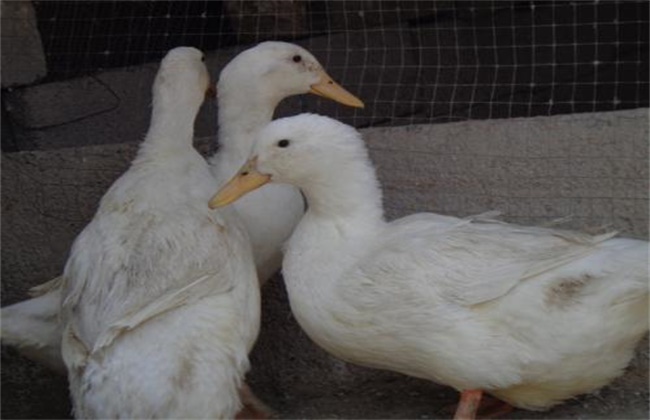
How to raise breeding ducks? Detailed explanation of feeding and management techniques
Feeding and management techniques for breeding ducks
条件筛选