How to raise breeding ducks? Detailed explanation of feeding and management techniques
Ducks are a very popular type of poultry in China. Duck meat has high nutritional value, and duck eggs are also welcomed by many people. Therefore, the scale of duck farming is still very large now. When raising ducks, if you want to improve the growth capacity and egg production of ducks, breeding duck rearing is very important. So how should breeding ducks be raised? And how should they be managed? Below, the editor brings you the feeding and management techniques for breeding ducks. Let's take a look!
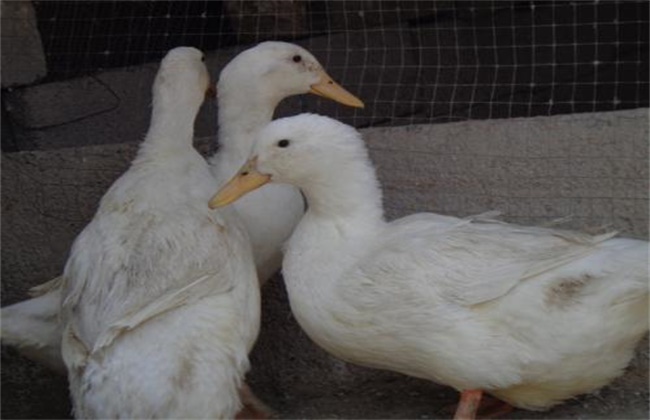
1. Raise drakes well
Drakes are crucial to the fertilization rate of eggs. It is necessary to ensure that drakes are robust, have normal sexual function, and have good sperm quality. Drakes generally need to be raised for about five months before reaching sexual maturity. Therefore, when selecting and retaining drakes, their age in months should be about two months earlier than that of female ducks. By the time the female ducks begin laying, it is exactly the time when the drakes reach sexual maturity. When drakes eat, they will compete for food. If they are raised together, it can easily lead to uneven eating. Therefore, drakes and female ducks should be raised separately, but among drakes, care should also be taken to prevent them from playing with each other and developing bad habits. Then, about three weeks before mating, raise them together. If the sexual behavior of the drakes is obvious, then they can be raised together appropriately earlier.
2. Increase nutrition
When feeding female ducks, in addition to providing them with sufficient and essential nutrients, we should also pay attention to feeding more vitamins, green feed, and other feed. This is especially true for vitamin E, because vitamin E is very beneficial for the fertilization and hatching of female ducks. Then the proportion of protein in the feed should also be appropriately higher than usual. It is also necessary to meet the needs of various amino acids such as lysine and methionine and maintain a balance. Then we should also do a good job in mating work. If the mating performance of drakes is good, then the ratio of males to females should be maintained at about 1:20. In a high-temperature environment, the ratio can also be appropriately expanded. Attention should be paid to culling drakes with unobvious sexual behavior and bad habits.
3. Strengthen management
For breeding ducks, strengthening exercise and letting them bathe in water are key measures to improve their reproductive capacity. This is because through exercise and bathing, breeding ducks can enhance their metabolism. And in many cases, when ducks mate, they do so in water. Therefore, whether it is grazing or housed feeding, we should pay attention to doing it beside clean water sources. For breeding ducks, their underwater activity time should be extended. The mating work of breeding ducks is generally carried out in the morning and evening. Therefore, driving the breeding ducks into the water for bathing in the morning and evening is very important.
4. Maintain the environment
When raising ducks, attention should be paid to setting up laying pits in the duck house, and bedding material should be laid in the pits to prevent duck eggs from breaking. The bedding grass in the duck house should be kept dry and clean, especially in the laying area. Then the exercise yard should maintain good drainage and must not accumulate water. The house should maintain good ventilation to improve the air quality inside. If the temperature is relatively high, then attention should be paid to doing good ventilation work. Then breeding eggs should also be collected in time to prevent them from becoming damp and to reduce the quality of breeding eggs and the hatching rate.
The above is a brief introduction to the feeding and management techniques for breeding ducks. That is all for today's introduction. This article is for reference only, and I hope it can help everyone!