-

Key Technical Points and Daily Rearing Management Methods for Laying Hens
Laying hens are mainly kept in cages or free-range (also called free-range). Compared with free-range, cage rearing has higher rearing efficiency, such as feed conversion rate and laying rate, which are higher than those of free-range; free-range can improve the quality of eggs and meet consumers' demand for egg quality. Rearing
-
Detailed Introduction to Common Models and Specifications of Broiler Chicken Cages
Broiler chicken cages are chicken cages specifically used for raising broiler chickens. Raising broiler chickens in broiler chicken cages allows them to stay in the cage from entry until being sent to the slaughterhouse, with no need to transfer them to another cage, saving the trouble of catching chickens. So what are the models and specifications of broiler chicken cages? 1. Introduction to broiler chicken cages. Common broiler cage rearing is all
-
Key Technical Points for Rearing Snakehead Fry in Net Cages
1. Stocking density: generally 600-700 3-cm summer fry per square meter, with a harvest size of about 6-8 cm. The summer fry stocked must be strictly graded and screened so that the size is uniform at stocking, and the stocking density should be adjusted appropriately according to size. 2. Feed and feeding
-
Rapid Finishing Breeding Technology for Meat Ducks in Multi-Tier Cages
I. Advantages of Cage Rearing for Meat Ducks: First, it makes full use of the duck house space, increases stocking density and raises output per unit area. Second, mechanized equipment can be used to reduce labor intensity. Third, the diet is nutritionally complete and feed intake is uniform, and the finishing time is shortened to about 60 days,
-
Prevention and Treatment of Three Common Diseases in Caged Laying Hens
Cage rearing of chickens means raising chickens in cages welded from metal wire, with different types of cages designed according to chicken breed, sex and age, including chick cages, growing chicken cages, laying hen cages, breeder cages and rooster cages, etc. This can increase stocking density and save feed, among other benefits.
-
Cage-Rearing Methods for Laying Ducks and Analysis of Their Advantages
1 Duck cage construction The duck cage uses wooden poles with a diameter of more than 4cm as the frame, is built with bamboo strips or wire mesh, and is usually made into a ladder-frame type double-layer overlapping duck cage. The cage is 60cm high, 165cm long, and 70cm wide. The bottom surface of the cage is 45-50cm above the ground, with a slope of 4.2, and the bottom board extends outward along the slope by 20cm, with the partition board and bamboo poles wrapped in rice straw. Each cage houses 12-14 adult ducks. The duck cages are placed in a ventilated and sunny house.
-
Can green-shell laying hens be kept in cages? Cage-rearing methods and precautions
Abstract Green-shell laying hens can be kept in cages, though farms with relatively small numbers also keep them free-range. When raising green-shell laying hens, the chicken coop should be kept warm in cold weather and well ventilated for heat dissipation. Choose high-quality chicks, and feed a balanced, nutritious diet to increase egg production. In the later stage, pay attention to
-
How are maggots farmed? Generally, cage rearing is used without polluting the environment
Abstract Construction of the farming site: use an old house converted into a seed fly room, with an area of 20-40cm being suitable, install escape-prevention facilities, place rearing racks inside the seed fly room, make fly cages from nylon gauze, fix them on the rearing racks, build a windproof and waterproof maggot-breeding greenhouse, and build rectangular water
-
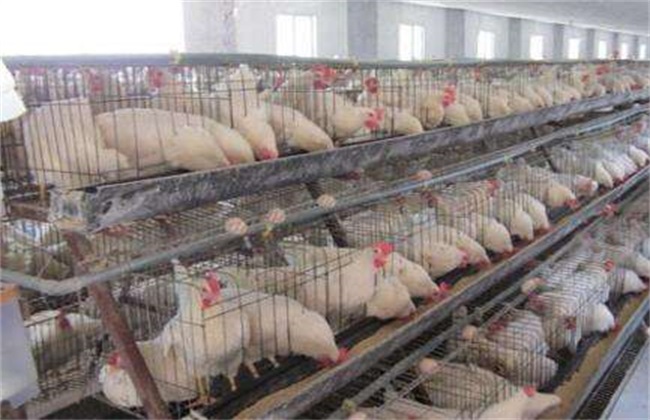
Detailed Explanation of Key Points of Cage Rearing Technology for White-Feathered Broiler Chickens
Cage Rearing Technology for White-Feathered Broiler Chickens
-
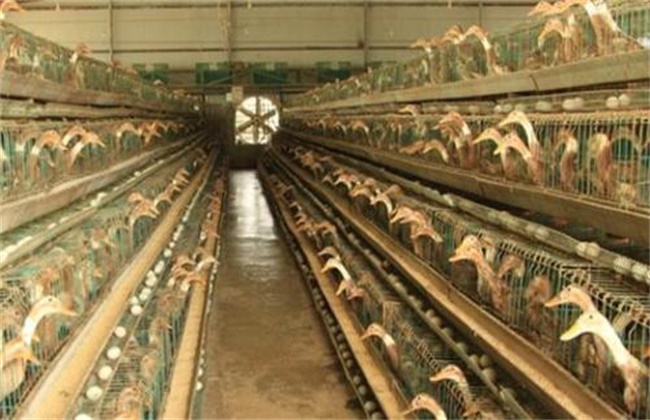
A Detailed Explanation of the Advantages and Precautions of Cage-Rearing Meat Ducks
Advantages and Precautions of Cage-Rearing Meat Ducks
条件筛选