-

Wheat blossom midge can be controlled by broadcasting pesticide-treated soil at the booting stage
The wheat blossom midge overwinters as mature larvae in round cocoons in deep soil and can remain dormant for many years. In spring, when the soil temperature at 10 cm rises to about 7°C, which is when wheat begins jointing, the larvae break out of their cocoons and move toward the soil surface. In mid-April, wheat enters the booting stage, and the larvae
-
Rational application of booting fertilizer to rice for high yield
Rice cultivation is very common in our southern region, and the demand for rice in our country is enormous, but as more and more young people go out to work, more and more fields have been abandoned, resulting in the current state where rice cultivation in our country is far from meeting demand.
-
The key to increasing wheat yield is applying the jointing and booting fertilizer well
Applying the jointing and booting fertilizer well increases wheat yield
-
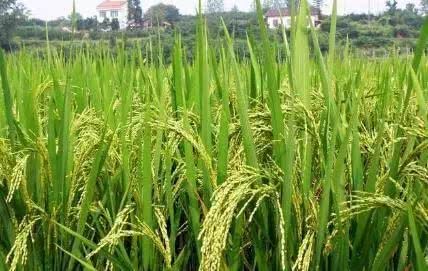
How to scientifically apply potassium fertilizer during the critical booting stage of rice?
Rice is currently at the booting stage, and in just over a month the mid-to-late rice will also successively enter the harvest period. This period can be said to be a critical time for rice growth. How to fertilize and manage it should be a concern for many friends. Here Science Xingnong...
-
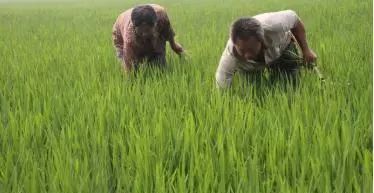
Rice is highly sensitive to herbicides at the booting stage, so never use them carelessly
The long-ear stage of rice should refer to the booting stage of rice. The booting stage of rice is a critical period for rice growth, so how to manage rice well at this time is very important. Characteristics of the rice booting stage The reason why the rice booting stage is so important...
-
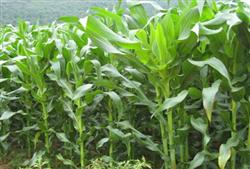
How to manage spring corn at the booting stage? Please keep this list of precautions
After the spring corn seedlings joint and the outer plants grow rapidly, the internal tassels and ears differentiate one after another; in the differentiation sequence, the tassel is slightly ahead of the ear. When the plant still has one to two leaves that have not yet extended their young leaves, this is commonly known as the small trumpet to large trumpet stage. Tassel and ear differentiation respectively enter the tetrad stage and the floret differentiation stage. The tassel is the key period for pollen formation...
-
Management Techniques for Rice at the Jointing and Booting Stage
Management at the jointing and booting stage: When 50% of the plants in the field have the main tiller elongated by 1-2 cm and the shape of the main tiller becomes rounded, it is the jointing stage. When 50% of the flag leaves have fully emerged from the leaf sheath, it is the booting stage. This period is when rice needs the most water in its entire life cycle. If the water is drained for a long time, it will affect the formation of the panicle, resulting in small panicles and many empty grains. However, deep water flooding should also be avoided; instead, irrigate frequently with shallow water and expose the field appropriately to promote root growth, achieving deep roots and lush leaves, and striving for large panicles and more grains.
-
Key Management Techniques for Rice at the Booting Stage in August
I. Field Management at the Booting Stage After good early vegetative growth, rice enters the reproductive growth stage of the middle and late periods. Strengthening water and fertilizer management at this stage is very important for high yields. Apply panicle fertilizer judiciously, depending on the field growth of the rice: for plots with too many stems per mu and dark green leaf color, do not apply; for plots with insufficient stems per mu and yellow leaf color, apply fertilizer, which can produce a clear yield increase. 1. Applying booting fertilizer: around August 5, for plots that did not receive early panicle fertilizer (mid-to-late July) and whose leaves have turned yellow at this time, apply 5-7 jin of urea per mu.
条件筛选