Rice is highly sensitive to herbicides at the booting stage, so never use them carelessly
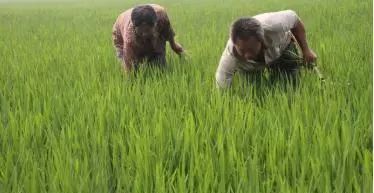
The long-ear stage of rice should refer to the booting stage of rice. The booting stage of rice is a critical period for rice growth, so how to manage rice well at this time is very important.
Characteristics of the rice booting stage
The reason the rice booting stage is important is that this period is not only a key stage of vegetative growth but also a stage of reproductive growth. At this time, rice must both protect its roots and promote leaf growth. It is also necessary to prevent premature aging of the rice.
Replace with a high-definition large image
How to manage rice at the booting stage?
The first thing to mention is fertilization at the booting stage. The fertilizer needed at the rice booting stage makes this the period when rice requires the most fertilizer during its growth stages. In addition to topdressing, attention must also be paid to the timing of topdressing. If it is too early, it easily causes an increase in ineffective tillering of rice; if it is too late, it causes conditions such as rice staying green, excessive vegetative growth, and easy lodging.
Fertilization at the booting stage needs to take many factors into consideration, including soil conditions, weather conditions, rice growth conditions, and so on. Generally, the most suitable fertilization time is to apply topdressing about two weeks before rice heading. Generally, paddy fields need about 8 kg of compound fertilizer applied as topdressing, but if the rice in the paddy field is growing well, the amount of fertilizer can be reduced. Generally, topdressing is done together with irrigation of the paddy field. When fertilizing, be careful not to break the fallen rice plants.
Replace with a high-definition large image
The second issue is water. During this period, rice not only needs topdressing but also has a very large water requirement, so the field must not be allowed to dry out. It is best to maintain deep irrigation to protect the rice seedlings and prevent drought in the paddy field from affecting rice development. Another thing to note is that because the paddy field is deeply irrigated, the soil becomes relatively soft, so the rice must be prevented from lodging.
The third thing to note is that rice growth during this period is relatively sensitive, so for weeding it is best to use manual or mechanical methods in combination, and do not spray herbicide chemicals, as this will cause poor grain filling in rice.
Replace with a high-definition large image
The fourth is to do a good job of pest and disease control. During this period the weather is hot and rain increases, so rice is more prone to disease. During this period, problems such as rice bacterial leaf blight, rice blast, rice stem borer, and armyworm are likely to occur. Different pest and disease problems should be handled flexibly.