-

What are the latest control methods for cotton boll rot?
The causes of cotton boll rot are basically too much rain in summer and poor ventilation, which allow various pathogens to invade the cotton and cause boll disease. Cotton boll rot is the most common symptom of boll disease, appearing to some degree every year, and it severely affects cotton
-
Watch out for and control cotton boll rot in hot and humid weather
Currently cotton is at the flowering and boll stage and will soon enter the boll-opening stage. This is the vigorous period of cotton reproductive growth, the critical period for the growth of midsummer bolls and yield formation, and also the critical period for controlling boll rot. This year, rainfall from late July to early August was abnormally higher than usual, so
-
Symptoms and Control Methods of Cotton Boll Red Rot
Symptoms After a cotton boll is infected, an irregularly shaped lesion initially appears. In wet weather or during continuous overcast and rainy days, the disease spreads rapidly, covering the entire boll, and in some cases reaching the cotton fibers, producing an even pink or light red mold layer. After rain, it easily sticks together, forming pink masses, causing the diseased boll to fail to crack open, and the cotton fibers to rot into stiff, matted locks. After seeds are infected, the germination rate declines. The pathogen is the same as that of cotton seedling red rot. Transmission route and disease conditions This fungus is a weak parasite and cannot directly infect cotton bolls; it mainly enters through wounds to cause disease. Cotton boll angular leaf spot
-
Symptoms and control methods of cotton boll Aspergillus rot
Symptoms It occurs in all cotton regions. It mainly damages cotton bolls. Initially, water-soaked yellowish-brown spots appear at cracks, insect holes, wounds or splits on the cotton boll, followed by yellow-green or yellowish-brown powdery material that fills the boll cracks, causing the cotton boll to fail to open normally. During continuous rainy weather or high humidity, yellowish-brown or yellow-green fuzzy mold grows, namely the pathogen's conidiophores and conidia, and the cotton lint quality is contaminated to varying degrees or becomes dry-rotted and deteriorated. Pathogen Aspergillus flavus Link, called yellow aspergillus, Aspergillu
-
Symptoms and Control Methods of Cotton Boll Red Rot
Symptoms After a cotton boll is infected, amorphous lesions initially appear. In wet weather or during continuous overcast and rainy periods, the disease spreads rapidly, covering the entire boll, and in some cases reaching the cotton fibers, producing a uniform pink or light red mold layer. After rain, the mold tends to stick together, forming pink clumps, causing the diseased boll to fail to crack open, and the cotton fibers to rot into stiff, matted locks. After seeds are infected, the germination rate declines. Pathogen The pathogen is the same as that of cotton seedling red rot. Transmission routes and disease conditions This fungus is a weak parasite and cannot directly infect cotton bolls; it mainly enters through wounds to cause disease
-
Eight Methods for Preventing Cotton Boll Rot Explained
1. Digging trenches to drain waterlogged fields Cotton is most afraid of autumn waterlogging; the higher the humidity in the cotton field, the more severe the boll rot. Continuous rainy weather is even more likely to cause boll rot. Therefore, after heavy rain, the accumulated water in the cotton field should be drained promptly, the soil should be allowed to dry to lower humidity, the field microclimate should be improved, boll opening should be accelerated, the reproduction and spread of pathogens should be inhibited, and boll rot should be reduced. 2. Reasonable pruning For cotton fields with high density and vigorous growth, after the full flowering stage, empty fruiting branches should be cut off promptly, vigorous buds should be removed, and the side tips of the middle and lower parts and the old leaves on the main stem should be removed in stages and batches, to enhance ventilation and light penetration, lower temperature, and reduce rot
-

-
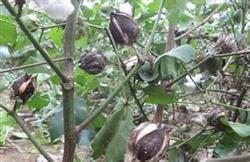
What are the control methods for cotton boll rot?
1. Clear the ditches. Before and after rain, promptly clean the drainage ditches in the cotton field. The ditches must be unobstructed to ensure there is no standing water in the cotton field when it rains and no blockage in the ditches, so that surface water can be drained quickly after rain and the groundwater level in the cotton field can be effectively lowered. 2. Prune branches and remove leaves. Pruning branches and removing leaves in the late growth stage of cotton can not only reduce nutrient consumption and save nutrients...
-
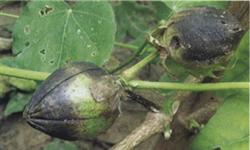
What are the control methods for cotton boll rot?
1. Poor light is suitable for the rapid infection and spread of pathogens, and the disease is often severe, with cotton boll rot also being relatively serious. Types of cotton boll diseases: cotton boll rot is caused by infection and damage to cotton bolls by multiple pathogens. In cotton-growing areas of our province in years with abundant summer and autumn rain, cotton fields have relatively high humidity, heavier closure, and ventilation and light penetration account for 28.3% of boll diseases. In our province, the number of rainy days and rainfall in late August...
-
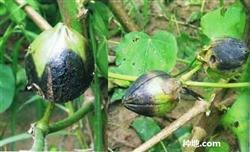
What to Do About Cotton Boll Rot? A Detailed Guide to Prevention and Control Methods
What to Do About Cotton Boll Rot? What Methods Can Prevent and Control It? In mid to late August, when cotton enters the boll-opening stage, boll rot and rotten bolls often occur. In ordinary fields, the rate of rotten bolls and rotten bolls reaches 10%-15%, and in severely affected fields it reaches over 30%, often causing reduced cotton yield and lower quality. For this reason, there are the following five measures to prevent and control cotton boll rot and rotten bolls:...
条件筛选