-
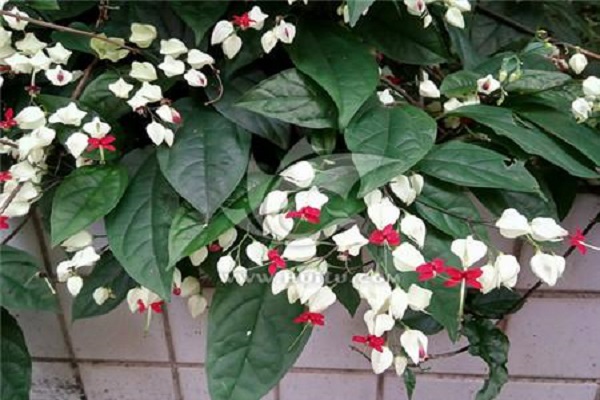
Reasons Why Bleeding Heart Vine Won't Bloom and How to Fix It
Although this plant looks very simple, it won't grow well if you don't put in the effort. If you know a little about the bleeding heart vine (Clerodendrum thomsoniae), you'll know that the biggest problem in growing it is that it won't bloom, or produces very few flowers. What causes this, and how should you deal with it?
-
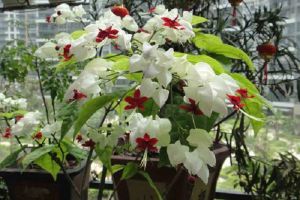
How do you care for a Bleeding Glory-Bower (Clerodendrum thomsoniae) so it blooms abundantly? Remember these care tips
This flower blooms most densely around the Dragon Boat Festival each year. These plants can now be seen in many places that sell flowers on the market. It is white with red, like a dragon holding a pearl in its mouth, which is how it got this name. So what should be done while caring for it so that it produces more flowers?
-
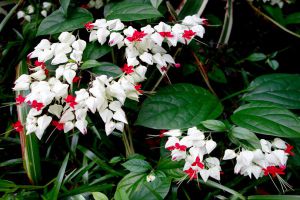
Is Bleeding Heart Vine suitable for indoor growing? Pay attention to these when keeping it at home
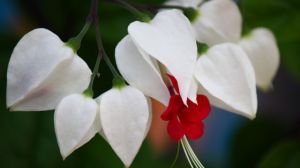
As a beautiful plant, it is very suitable for ornamental purposes. Its corolla is dark red, surrounded by white calyxes, just like a dragon spitting out pearls, very interesting, and it has won the affection of many friends. Because of its unique form, many people are very fond of it and want to keep it at home. Is this the right idea?
-
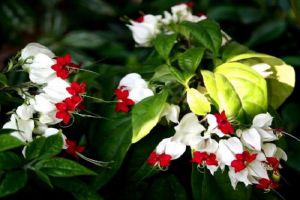
Is the bleeding heart vine (Clerodendrum thomsoniae) toxic? Learn about its toxicity before caring for it with peace of mind
When it comes to this plant, people may find the name pleasant, but not know what kind of plant it is. As a greenhouse plant, it is highly ornamental and can be used on flower trellises, looking very splendid. So, is it toxic? Will it harm us?
-
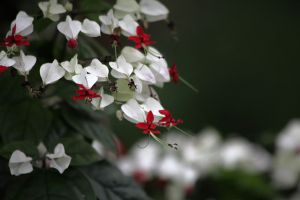
When Does the Bleeding Heart Vine Bloom? A Detailed Guide to Its Flowering Period
Readers, please take a look at its picture first. Can you tell why it is named this way? This flower has a unique shape and is elegant and delicate, loved by many gardening enthusiasts. So, do you know exactly when this flower blooms?
-
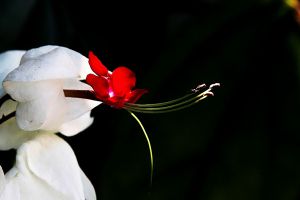
How to extend the flowering period of Bleeding Heart Vine? A few tips to make the blooms last longer
The flowering period of Bleeding Heart Vine is from June to September. With proper care, it can be extended from May to December. Pruning: when new shoots sprout, cut off the branches 10 cm above the pot. Control the height and pinch off the tips. Fertilizing: after the flowers fade the previous year, remove the flower stalks, loosen the soil appropriately and apply a light fertilizer to store up nutrients for the next bloom.
-
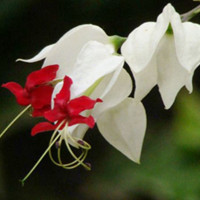
What are the other names for Bleeding Glory-bower? An introduction to the alternative names of Bleeding Glory-bower
Bleeding Glory-bower (Clerodendrum thomsoniae) is a perennial plant of the Verbenaceae family. Generally, when grown in pots, the plant stays quite short because of pruning restrictions. In fact, it is a semi-vining climber, and its branches can reach over one zhang in length. This flower is relatively vigorous and easy to grow, produces abundant blooms, and is a very beautiful potted plant.
-
What plant is Bleeding Glory-Bower? Let us truly get to know it
Bleeding Glory-Bower (Clerodendrum thomsoniae) is a perennial plant of the Verbenaceae family. Generally, when grown as a potted plant, it is kept very short due to pruning restrictions. In fact, it is a semi-vining climber, and its branches can reach over one zhang (approximately 3.3 m) in length. This flower is relatively easy to grow, produces abundant blooms, and is a very beautiful potted plant.
-
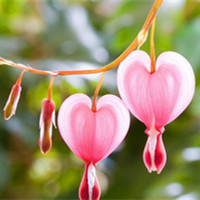
What are the other names for bleeding heart? Learn all about it in one article
Bleeding heart is a flower with rather unusual blooms; because its flowers are heart-shaped, it has a uniquely ornamental appeal.
-
Reasons and Solutions for Yellowing Leaves on Bleeding Heart Vine
There are many reasons for yellowing leaves on bleeding heart vine (Clerodendrum thomsoniae): if it is caused by scorching sun exposure, you can move its position; if it is due to insufficient light, place it somewhere with sunlight; if it is caused by watering amount, reduce or increase watering and just keep the soil moist; if it is caused by too little fertilizer and lack of nutrients, increase it appropriately; if it is caused by poor ventilation, place it in a spot with air circulation.
条件筛选