Is Bleeding Heart Vine suitable for indoor growing? Pay attention to these when keeping it at home
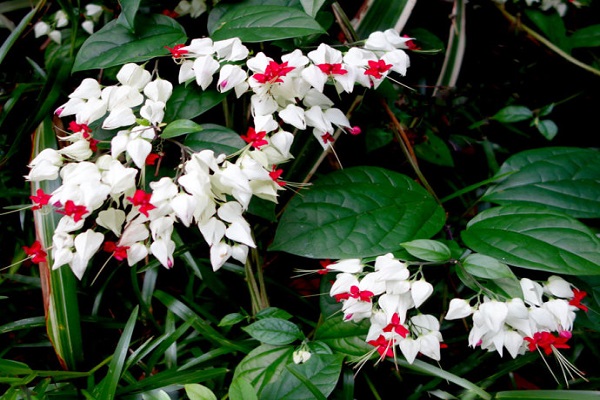
I. Whether it can be grown indoors
The answer is that it can be grown indoors, but it is best not to keep it in the bedroom.
First of all, the most important point is that it is not toxic. As a vine plant, it has certain medicinal functions. The whole plant can be used as medicine. If you fall and become swollen, or have fever and swelling pain, it can help you recover well, so it is not toxic.
Its flowers have a strong scent. If you do not like its smell or hate pollen, it is best not to put it at home, especially in the bedroom. At night is when it respires fastest, and we are also taking in oxygen. If the oxygen in the bedroom is itself not much, it is of course bad for our health, so it is best to grow it outdoors. If you must grow it in the bedroom, move it out at night.
It can also be kept as a potted plant, and its function of decorating the home is very strong.
II. How to grow it indoors
1. Changing the soil
If it is kept as a potted plant, repot it once every one to two years, in early spring or after the flowers fade. First use coarse sand as the bottom layer, which helps excess water drain out, then add base fertilizer, garden soil, rotten leaves, etc., mix and stir evenly, plant the flower, water it thoroughly, place it in a shady area to recover, then move it to a place with plenty of sunlight.
2. Fertilizing
Fertilizer should not be applied too much. During the flowering season, add a light fertilizer every seven to ten days, such as decomposed cake fertilizer, for three to four times in a row. If its leaves turn yellow, you can add 0.2 percent ferrous sulfate water, and the leaves can return to green.
3. Watering
It likes moist conditions. During the growing period it needs plenty of water, but not too much. If it is too wet, the leaves will turn yellow and fall off. Watering should also be even. The soil needs to stay moist, but it must not suddenly dry and suddenly become wet, or be too wet or too dry.
4. Light
In winter it needs plenty of sunlight, so move it to a sunny area. In summer use shade to protect it from the sun, otherwise the leaves easily turn yellow. If there is not enough light, there will be leggy branches and no flowers to bloom.