-

Ministry of Agriculture 2014 Technical Guidance on Promoting Early Maturity and Preventing Early Frost in Soybeans in Northeast China
This website news: This year, some areas in Northeast China suffered severe low-temperature spring waterlogging in spring, soybean sowing was significantly delayed compared with normal years, and some areas experienced periodic overcast and rainy weather with little sunshine during the flowering and podding stage, slowing the growth process, and the maturity period may be later than normal. The meteorological department predicts that, affected by
-
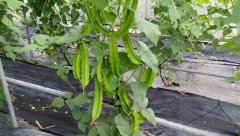
How do you get winged beans, and can you eat them raw? Everything explained in one article
Have you ever seen a bean with wings? If not, let's get to know it together. This kind of bean is not only better looking than ordinary beans, but its tender pods are emerald green, with an excellent pod shape and a crisp, fresh taste. Spring cropping can produce high-quality tender pods. Can winged beans be eaten raw? It should
-

Analysis of the Characteristics of Legume Vegetables and Their Pesticide Residue Situation
Do you like eating legumes? Do you know whether they have pesticide residues? Inspections have found that the pesticide residue failure rate of legume vegetables such as green beans, peas and common beans is as high as 63%. Among the pesticide residues detected were chlorothalonil and acetamiprid
-
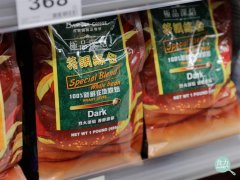
Why can coffee adulterated with robusta sell at a high price just by claiming to use arabica beans?
Several years ago, the phrase "100% arabica" suddenly appeared. In fact, this claim is aimed at commodity coffee beans sold in supermarkets, whereas in the specialty coffee industry, 95% of specialty coffee beans are arabica beans, because supermarket coffee has always been
-
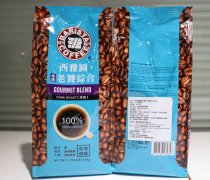
Is the coffee market really 100% Arabica? A close look at Taiwan's supply chain
Arabica has specific uses, and the difference in taste is very obvious. Arabica is generally used for instant coffee, or in lattes to add body. What you should know about food
条件筛选