-

What to Do About Phenol Poisoning in Dogs? Emergency First Aid Basics, Part Two
Phenol-based preparations are widely used in public health disinfection and in veterinary clinical work, with common preparations including carbolic acid, Lysol, guaiacol, xylene and others. As a corrosive agent and sterilizing agent, phenol can be used to disinfect floors, kennels and large feeding utensils; if a dog licks and ingests a certain amount, poisoning symptoms will appear. Phenol preparations can cause damage to the nervous system. Skin in contact with phenol preparations becomes red and exudes fluid. The affected dog is listless, vomits, has tonic convulsions and paralysis. During treatment, the local skin should be washed clean with water, then use 10% ethanol
-
How to Grow Periwinkle So It Overflows Its Pot? Master These Care Basics
Soil: When planting periwinkle, never use saline-alkaline soil, and the soil must have good drainage and aeration. Light: Periwinkle quite likes sunlight; keeping it in a spot with suitable, ample sunlight is very helpful for flowering and can also effectively prevent leggy growth
-
How to care for winter fruit-bearing ornamental plants? These care basics you need to master
Light and air These fruit-bearing ornamental plants all need plenty of light, so in winter you need to frequently let them take in the rare sunshine to enhance their ornamental value. At the same time, you must also ensure these plants are in a well-ventilated environment to prevent premature fruit drop caused by poor air circulation, which would reduce their ornamental value
-

A Summary of the Basics of Household Flower Cultivation
As people's quality of life improves, household flower cultivation has become an indispensable lifestyle for those who stay at home. But do you really understand household flowers?
-
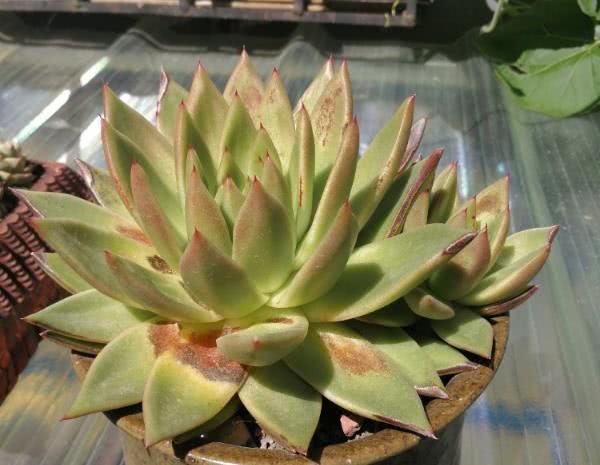
Can fallen succulent leaves survive just by touching soil? Learn the basics of care
Because of the unique way succulent leaves store water, even after being separated from the mother plant for a long time, the leaf remains fresh and alive. Once it touches soil, the succulent's regenerative cells spring into action, growing roots and new leaves, forming...
-
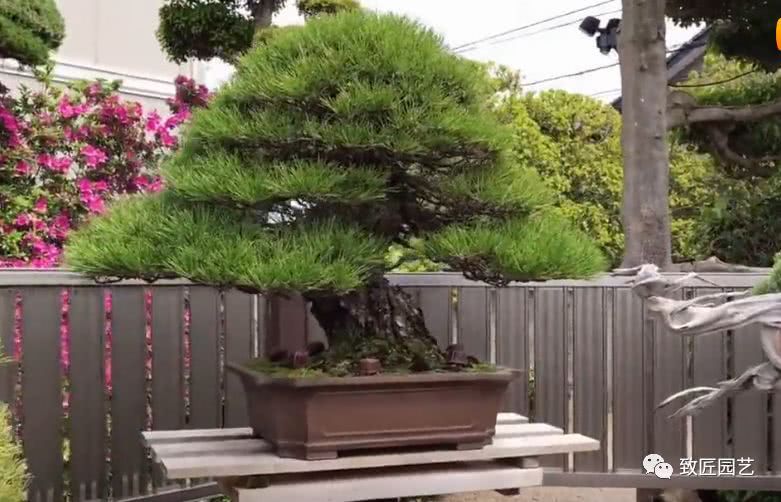
A Detailed Explanation of the Basics of Compositional Rules in Chinese Bonsai Styling
Explanation of Compositional Rules: Compositional rules originally referred to the techniques of opening, developing, turning, and concluding used in writing essays, and were later extended to the structural layout of calligraphy, painting, and seal carving. In Chinese bonsai, compositional rules are used to handle the relationships between structures: care and echo, straightness and curvature, sparseness and density, gathering and scattering, form and momentum...
-
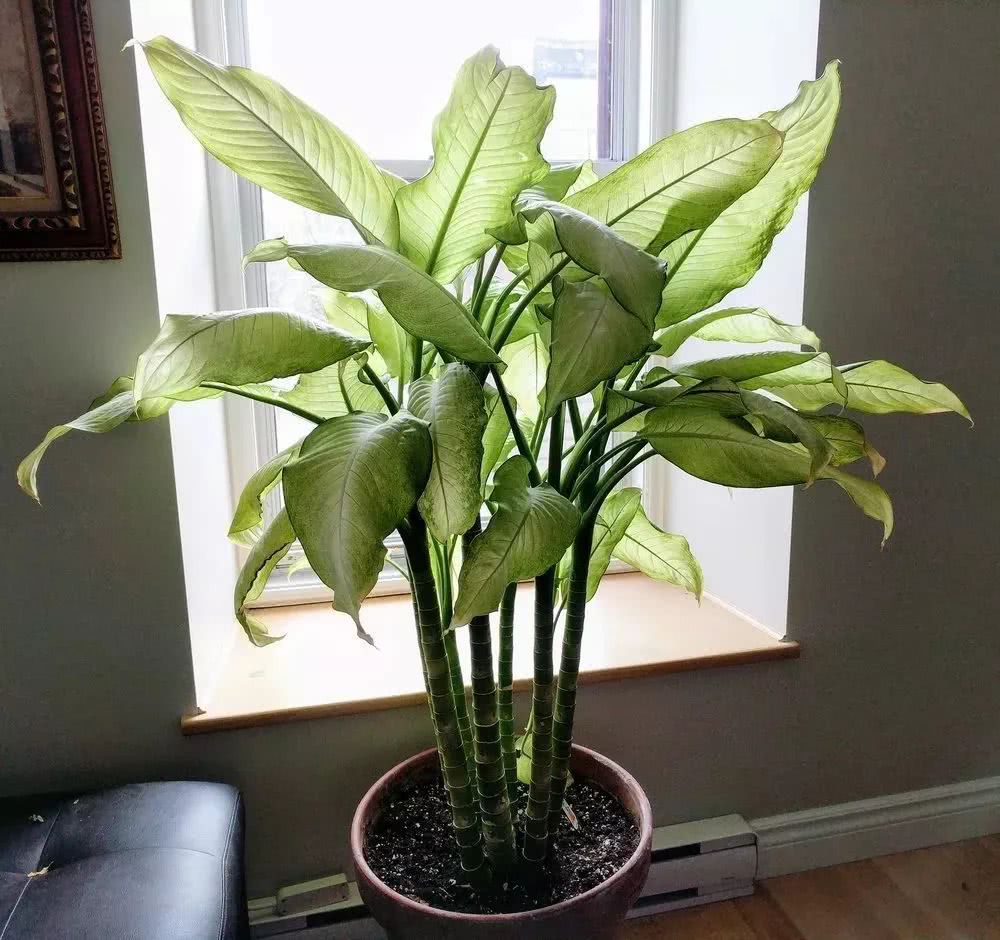
Essential Fertilizer Basics Every Beginner Gardener Must Know and the Secrets to Year-Round Blooming
Most gardening friends do not know how to fertilize their plants, which makes it hard to get potted plants to bloom year after year. Plant growth will also be limited, and they become prone to fungal diseases and pest infestations. Below is an introduction to...
-
A complete guide to the basics of southern rice black-streaked dwarf disease
Rice seedling rot is the collective term for seed rot, bud rot and dead seedlings that occur at the seedling stage. Rice seedling rot can be divided into two types: physiological and infectious. Physiological seedling rot is mainly caused by low temperatures and mistakes or poor management practices in the seedling nursery; infectious seedling rot is caused by pathogen infection, and the main diseases include rice cottony rot, rice putrefactive disease and rice...
-
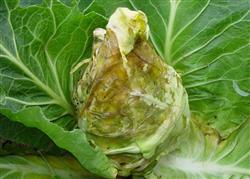
What is Brassica napus? A guide to the basics
Control of soft rot in cabbage A vegetable grower asked: the base of the cabbage stem is rotting and smells bad, what disease is this and how should it be controlled? This is cabbage soft rot, a bacterial disease. It is prone to occur under conditions of high temperature and high humidity, and this disease generally occurs during the head-forming stage, initially appearing on the outer leaves or at the base of the head...
-
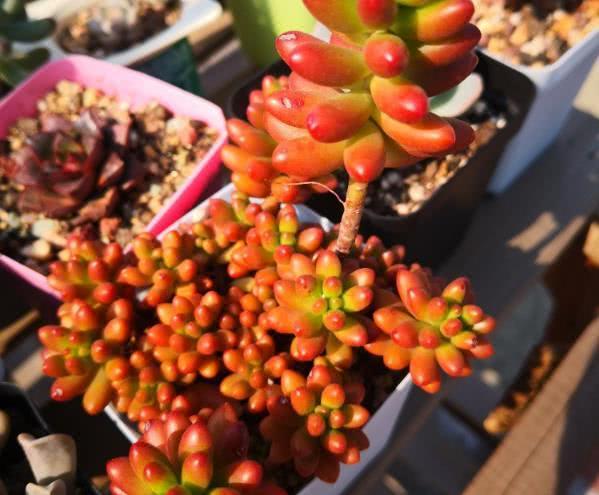
How long is it appropriate to sun your succulents? Master these basics and they will get more and more beautiful the more you grow them
Most succulents love sunlight, and basking for 6 to 8 hours a day is ideal, but for those of us with just a balcony, managing 2 to 3 hours a day is already good. If they can get more than 6 hours of sun a day, the colors of the succulents will become exceptionally beautiful...
条件筛选