-

A Detailed Guide to the Latest Control Methods for Pea Basal Rot
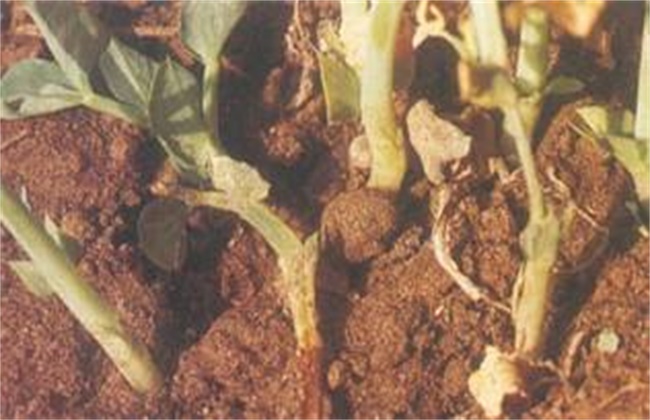
Peas are a common vegetable in our daily lives and are grown over an extremely wide range. However, during the seedling stage, peas are prone to basal rot, which causes slow seedling growth, lodging, and gradual death, resulting in significant damage. So how should pea basal rot be controlled? Follow along with the editor to learn more.
-
What is the NPK ratio for rice basal fertilizer?
The ratio of nitrogen, phosphorus and potassium in rice basal fertilizer is 2:1:1.2. Of course, soil fertility varies from region to region, so the amounts of phosphorus, nitrogen and potassium fertilizer should still be determined according to the phosphorus, potassium and nitrogen content in the local soil. In addition, when fertilizing rice, pay attention to the method and the amount
-
-
How to prevent and control basal rot in edible fungi? A detailed explanation of edible fungus disease prevention and control methods
Methods for preventing and controlling basal rot in edible fungi
-
How to prevent and control basal rot in edible fungi? A detailed guide to disease identification methods
How to prevent and control basal rot in edible fungi
-
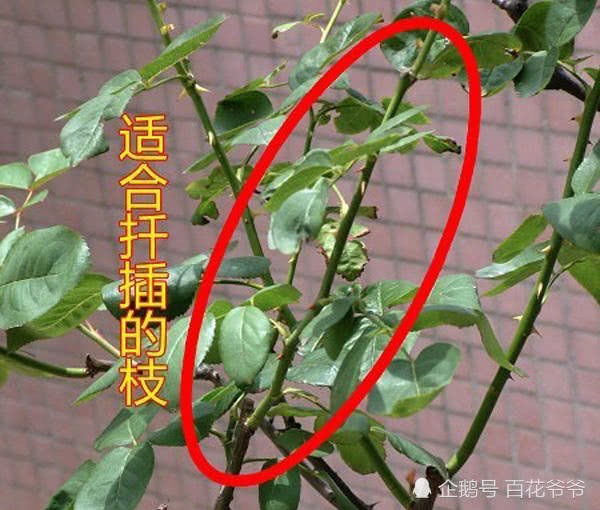
Propagate roses by cuttings like this in autumn: they root fast, bloom early, and keep sending up new basal shoots
Fellow rose lovers all know that roses can be successfully propagated from cuttings, and with the right method the survival rate is quite high. If you want a high survival rate with rose cuttings, the timing of the cuttings is quite crucial. For example, choosing spring and autumn for the job...
-
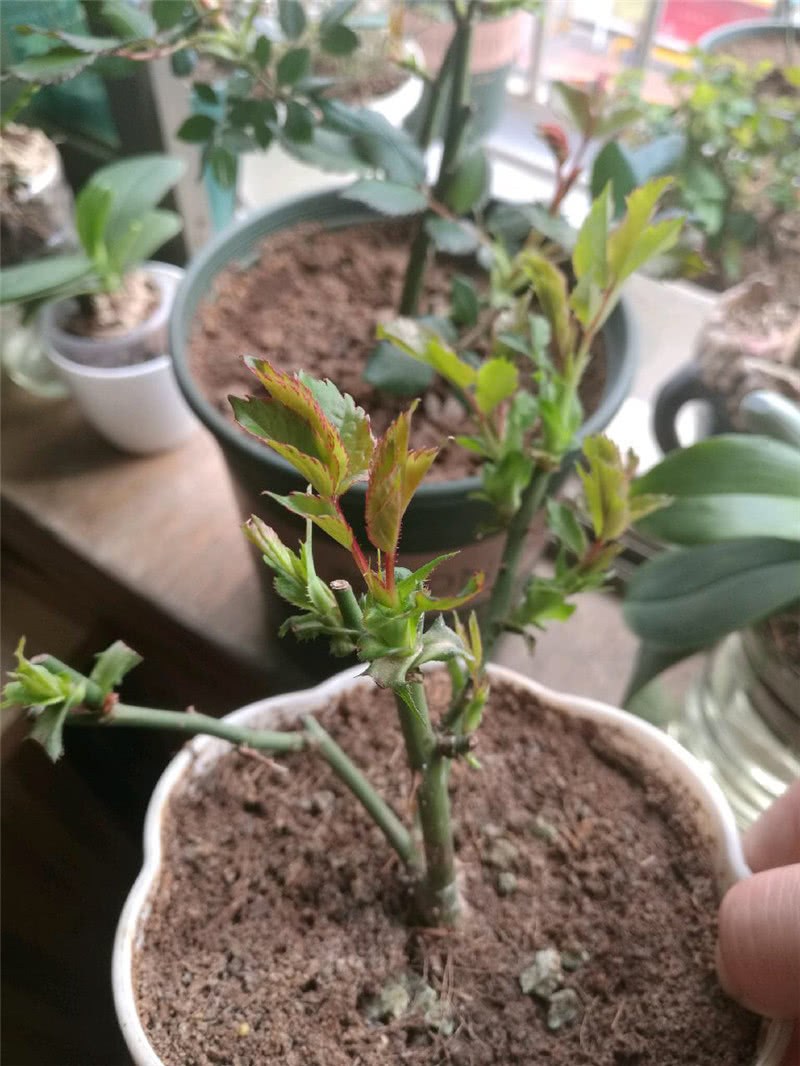
If a rose (Rosa chinensis) grows a big basal shoot, does it necessarily mean big flowers? Do this one thing well to get a bursting pot of blooms
Growers of roses may often hear a little saying: "When a rose puts out a big basal shoot, big flowers are sure to follow." So many growers put a large part of their care efforts into encouraging basal shoots. But can big flowers really come from just having lots of basal shoots and thick, strong basal shoots...
-
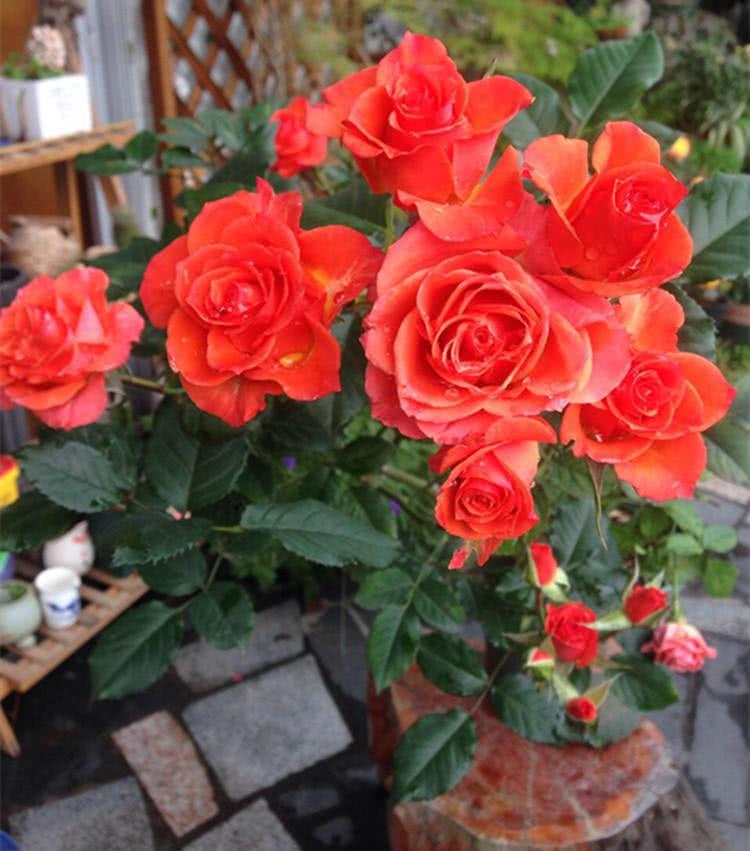
Apply basal fertilizer and top dressing well to roses in autumn, and flowering will double
After enduring the torment of high temperatures and scorching sun, we enter the cool and pleasant autumn, which provides a good climate environment for the growth of roses; however, during this period, roses also need strengthened care, paying attention to the residual damage brought to roses in the late summer. ...
-
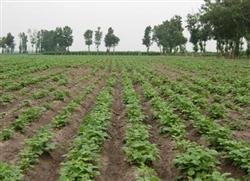
Methods and key technical points for applying sufficient basal fertilizer to mung beans
Although mung bean rhizobia have nitrogen-fixing ability, applying additional farmyard manure and phosphorus and potassium fertilizers has a clear yield-increasing effect. Before sowing, apply 2500 kg of farmyard manure, 20 kg of phosphate fertilizer and 1 kg of biological potassium fertilizer per mu as basal fertilizer. For fields where there is not enough time to apply basal fertilizer, during the early growth stage, that is, the branching and early flowering stage, apply 7.5 kg of ternary compound fertilizer per mu as topdressing...
-
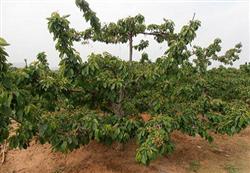
Autumn basal fertilization for sweet cherries is timely now, and fruit growers should not miss it
When it comes to the key points of autumn basal fertilization, the first thing to emphasize is "early." It is generally carried out in September-October, but early application in September gives the best results. This is because during this period the soil temperature is relatively high, the roots absorb fertilizer over a longer time, and the absorption rate is also fast. Once the fertilization timing is grasped, the application rate must also be increased...
条件筛选