-

What Kind of Fertilizer Is NPK Fertilizer? Understanding Fertilizer Knowledge in One Article
During the growth process of plants, nitrogen, phosphorus and potassium play a crucial role. So, what kind of fertilizer is NPK fertilizer? What are its effects? 1. What kind of fertilizer is NPK fertilizer? NPK fertilizer is a fertilizer that supplements plants with the three elements nitrogen, phosphorus and potassium, and is made from
-
How to Formulate Base Fertilizer for Cotton? A Detailed Guide to Scientific Ratio Methods
The ratio of base fertilizer (nitrogen, phosphorus and potassium fertilizers) for cotton is generally 1 : 0.3 : 1. According to measurements, a yield of 100 kg of cotton per mu requires the absorption of 12 kg of nitrogen, 4 kg of phosphorus pentoxide and 12 kg of potassium oxide, and the fertilizer requirement is 5-6 times that of cereal crops. In addition, an appropriate amount of compost,
-
What is the NPK ratio for rice basal fertilizer?
The ratio of nitrogen, phosphorus and potassium in rice basal fertilizer is 2:1:1.2. Of course, soil fertility varies from region to region, so the amounts of phosphorus, nitrogen and potassium fertilizer should still be determined according to the phosphorus, potassium and nitrogen content in the local soil. In addition, when fertilizing rice, pay attention to the method and the amount
-
What is the NPK ratio for fertilizing soybeans?
During the seedling stage of soybeans, applying an appropriate amount of nitrogen fertilizer makes the plants grow stronger; generally, applying 7.5 to 10 kg of urea per mu is suitable. During the flowering stage, spraying a 0.2% to 0.3% aqueous solution of monopotassium phosphate or superphosphate as a foliar spray can increase the nitrogen content of the seeds and has a clear yield-increasing effect.
-
How to grow baby's breath (Gypsophila) and points to note: apply nitrogen fertilizer early and phosphorus fertilizer later
Summary Temperature: Baby's breath (Gypsophila) is shade-tolerant and cold-tolerant, and prefers a warm, humid environment; the ideal daytime temperature is around 10-25°C. Light: Light directly affects the number of flowers. Soil: Choose fertile humus soil with good air permeability and water permeability. Water: Follow the principle of not watering until dry, and watering thoroughly when you do.
-
What are the typical symptoms of nitrogen, phosphorus, and potassium deficiency in rapeseed?
Rapeseed is a very important oil crop and also has a certain ornamental value; a field of rapeseed flowers looks golden and is very beautiful and attractive. During rapeseed cultivation, if the corresponding elements are lacking, some symptoms will appear, leading to reduced yield
-
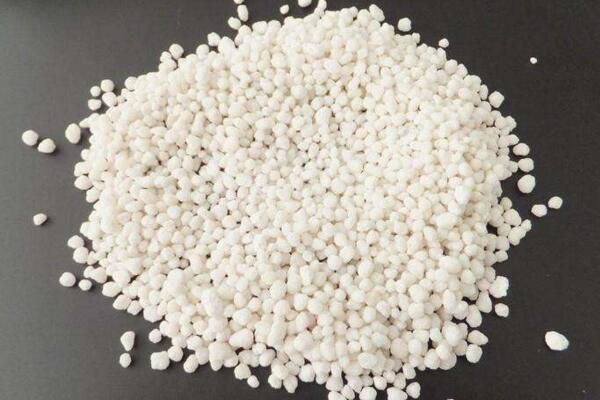
What is the best fertilizer for orchids? Nitrogen, phosphorus and potassium are all essential
What is the best fertilizer for orchids? Nitrogen, phosphorus and potassium are the three essentials
-
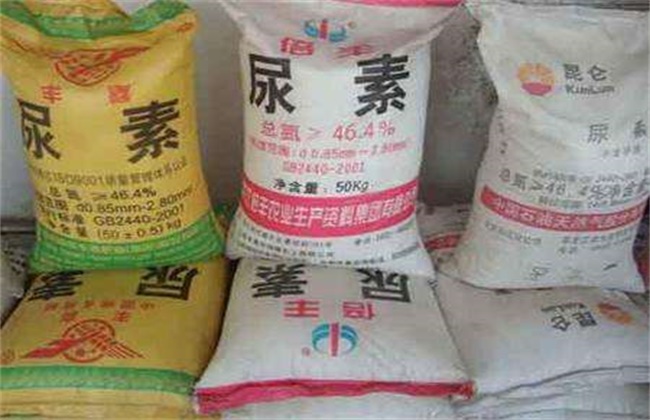
What are the harms of applying too much of the common nitrogen, phosphorus, and potassium fertilizers?
The harms of applying too much of the common nitrogen, phosphorus, and potassium fertilizers
-
-

Essential nitrogen, phosphorus, and potassium fertilizers for growing flowers, easily made at home
For anyone who grows flowers, they probably understand one principle very well: if you want flowers to grow well, fertilizer is absolutely essential, and in the process of applying fertilizer,...
条件筛选