-

Why Are Loquats Bagged? Detailed Explanation of Reasons and Methods
Loquat is a common fruit in southern China, sweet in taste, rich in nutrients, and with extremely high medicinal value, deeply loved by consumers. During cultivation, it is often seen that many fruit growers bag the fruit, so why bag it? And how should bagging be done? One
-
What to Do When Bagged Apples Taste Bland? Cause Analysis and Solutions
In apple production, bagging is an important part of management. It helps improve fruit coloration, reduce pesticide contamination, and lessen pest and disease damage, all of which have positive effects. However, in recent years, the phenomenon of bagged apples tasting weaker, having poorer flavor, and looking good but not tasting good has become increasingly serious,
-
Causes of Severe Cracking in Bagged Apples and Control Methods
Bagging technology has been widely applied in apple cultivation. It not only reduces damage to apples from pests and diseases, but also lowers pesticide residues, greatly improving fruit quality and commercial value. However, some fruit growers using bagging technology in cultivation still
-
Why does fruit rot easily after grapes are bagged?
Bagging grapes is an important step in grape growing. But many grower friends report that grapes rot easily after bagging. What exactly is the reason? Below, the editors of Tuliu Network will walk you through an analysis~ 1. Wrong bagging time Relatively speaking, grapes
-
Can Grapes Be Left Unbagged? Understand the Pros and Cons Before Deciding
In recent years, bagging fruit has become popular. Many fruits, such as loquat, mango, apple, and grape, have one after another been put into paper bags. So can grapes be left unbagged? Let's take a look. 1. Can grapes be left unbagged? Grapes can be left unbagged. Un-
-
What to do when bagged apples develop shriveling and cracking
Bagged apples tend to develop micro-cracks and shriveled skin after the bags are removed. This phenomenon falls into two cases: first, the fruit has already developed shriveling and cracking inside the bag, and once the bag is torn off it becomes even more severe; second, there is no abnormality when the bag is torn off, but soon after coloring, micro-cracks, shriveled skin, softening and other undesirable phenomena occur.
-
Key Management Points for Potted Mango Seedlings in Winter
Choose a flat, open area with convenient drainage and irrigation, and avoid setting up seedbeds in windy gaps or areas where cold air easily accumulates. The size of the seedbed can be determined according to the terrain, generally 100 cm wide, with the length depending on the terrain. Dig the seedbed into a trough-shaped rectangle 5-8 cm below ground level.
-
Detailed Explanation of the Bag-in-Trench Storage Technique for Pomegranate Seeds
1. Digging the Trench Choose a flat, shady, clean spot to dig the storage trench. The trench should be 80 cm deep and 70 cm wide, with the length determined by the quantity to be stored. Dig the storage trench 3-5 days before harvesting the fruit. During the day, cover the trench opening tightly with straw mats, and uncover it at night, so that the temperature inside the trench is basically consistent with the low nighttime temperature. Then the fruit can be harvested, bagged and placed into the trench for storage.
-
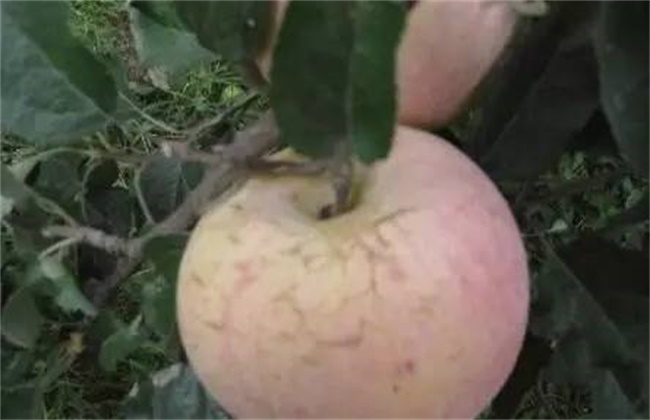
Causes of Severe Fruit Cracking in Bagged Apples and Control Methods
Causes of Severe Fruit Cracking in Bagged Apples and Control Methods
-
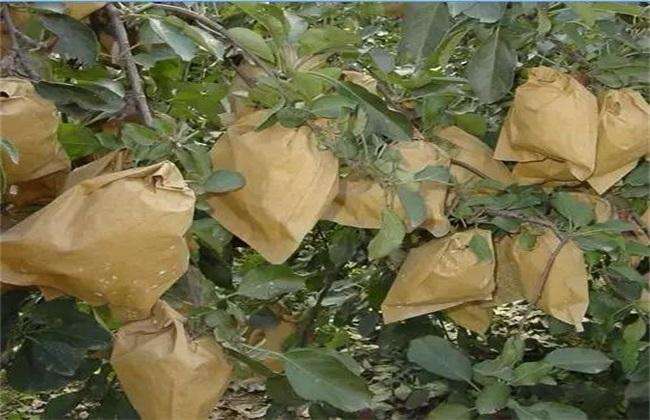
What to Do When Bagged Apples Taste Poor? Causes and Solutions
Causes and Solutions for Poor Taste in Bagged Apples
条件筛选