What to Do When Bagged Apples Taste Poor? Causes and Solutions
In apple production, bagging is an important part of management. It helps improve fruit coloration, reduce pesticide contamination, and lessen pests and diseases, all of which have positive effects. However, in recent years, the phenomenon of bagged apples tasting bland, having poorer flavor, and looking good but not tasting good has become increasingly serious, severely affecting apple quality. So what causes the poor taste of bagged apples? How should it be solved? Let's take a look together.
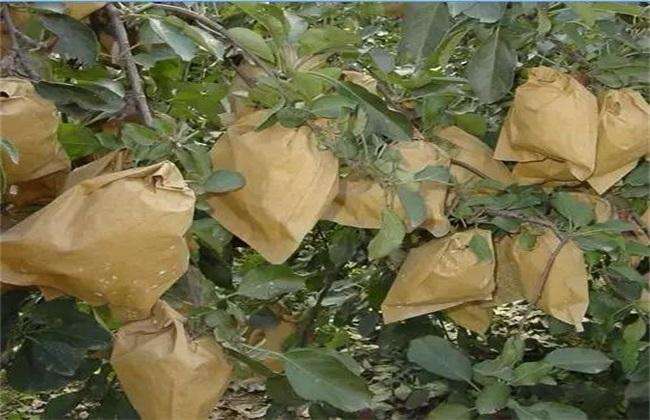
1. Bagging Leads to a Decline in Sweetness
When apples are bagged, the temperature inside the bag is relatively high, and the respiration of the fruit is strengthened, consuming more nutrients and reducing accumulation. This directly leads to a decline in the sugar content of the fruit, which is the main reason for the poorer taste of normal apples.
Solution: After removing the bags, improve the light conditions to promote coloration and enhance fruit flavor. You can remove the leaves touching the fruit and the shading leaves near the fruit to promote fruit coloring. This can increase the sugar content in the fruit and improve fruit flavor.
2. Picking Too Early
Picking the fruit too early also causes a decline in sugar content. There are serious problems in the composition of apples in China: early-maturing varieties are severely insufficient, mid-maturing varieties are in short supply, and late-maturing varieties are in excess. This leads to frequent early picking in apple production, and since apples color easily, many people remove the bags from late-maturing varieties as early as possible to seize the market. This causes the sugar content of the apples to remain low and the flavor to become poorer.
Solution: In apple production, resolutely resist the practice of early picking, especially for Red Fuji apples, which color relatively easily and should not have their bags removed too early. Harvest at the appropriate time to extend the fruit's growth period, effectively increase the sugar content, and improve fruit flavor.
3. Unscientific Fertilization
In apple production, organic fertilizer and potassium fertilizer are the two fertilizers with the most obvious impact on apple quality. Their application rates determine the level of sugar content and the quality of flavor in the fruit. In production, the application rates of organic fertilizer and potassium fertilizer are the most insufficient and often cannot meet the needs of the plants. Generally, in newly built orchards, apples are sweet and taste good in the first few years, but as the cultivation years extend, the flavor becomes increasingly bland, mainly because organic matter in the soil gradually decreases.
Solution: In production, increase the application rate of organic fertilizer, supplement potassium fertilizer at the appropriate time, improve the current situation, and raise the level of fertilization. In particular, base fertilizer must always be mainly organic fertilizer to effectively supplement the organic matter content in the soil.
4. Crowded Orchard
Under sufficient light, apples have strong photosynthesis, high sugar content, and better flavor. However, under insufficient light, photosynthesis is weak, sugar content is low, and flavor naturally declines.
Solution: In production, strengthen quality awareness and focus on solving the ventilation and light penetration conditions of the orchard. Through thinning to reduce the number of trees, raising the trunk, lowering the head, and thinning branches to reduce the number of branches, control the number of trees per mu at around 28-33. Ensure every branch receives light and every fruit faces the sun, so as to increase the soluble solids content of the fruit and improve fruit quality.
The above is an introduction to the causes and solutions for poor taste in bagged apples. We hope it can help you. If you want to learn more related knowledge, please stay tuned to us.