Causes of Severe Fruit Cracking in Bagged Apples and Control Methods
Bagging technology has been widely used in apple cultivation. It not only reduces damage to apples from pests and diseases, but also lowers pesticide residues, greatly improving fruit quality and commercial value. However, some fruit growers still find that their apples develop severe cracking when using bagging technology. What causes this? How can it be controlled? Let's take a look together.
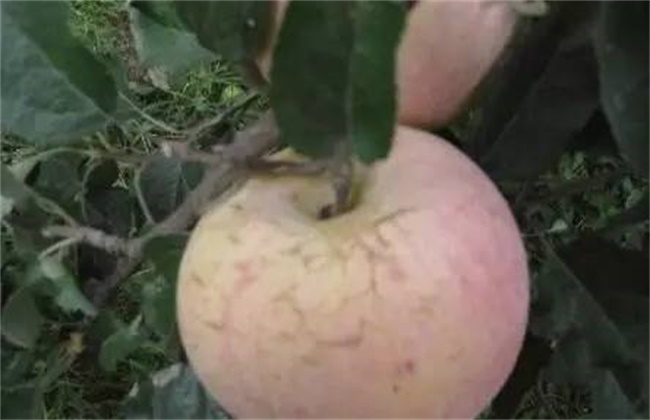
1. Calcium deficiency
Calcium deficiency is one of the main causes of cracking in bagged apples. Calcium is a basic element of the epidermal cells of apple fruit. Because calcium is an immobile element in the tree, its movement within the tree depends on transpiration. In bagged apples, transpiration inside the bag is far less than that of the branches and leaves, and the limited calcium is taken away by the branches and leaves. As a result, the fruit cannot obtain sufficient calcium, leading to severe cracking.
Control method: Calcium supplementation is the key to preventing cracking. Apple's demand for calcium generally has two peak periods each year. The first period is about 4 weeks after petal fall; the second period is the rapid fruit cell enlargement stage, generally in August-September, and during this period apple's calcium demand accounts for more than 70% of the total annual requirement. Therefore, calcium should be supplemented at the right time. Generally, 0.3%-0.4% sugar alcohol chelated calcium is sprayed multiple times during the bud break stage, after petal fall, and at the harvest stage.
2. Poor climate
Poor climate is a trigger for cracking in bagged apples. During the hot summer season, many orchards lack complete irrigation facilities and cannot irrigate in time. At the transition between summer and autumn, rainfall is abundant, and the fruit expands rapidly. The growth rate of the peel cannot keep up with the growth rate of the flesh, so cracks form on the peel surface and then develop into splits.
Control method: Strengthen fertilizer and water management. This is an important part of preventing cracking, especially during the fruit stage. When the climate is dry, water promptly to keep the soil moist. When rainfall is heavy, do a good job of ditching and drainage, and try to prevent the plants from absorbing large amounts of accumulated water.
3. Poor permeability
When permeability inside the canopy is poor, moisture on the shaded side of the fruit cannot dissipate quickly, ultimately causing the cracked wounds to become suberized. In mild cases, black spots appear on the fruit; in severe cases, the fruit surface cracks into strip-shaped or transverse wounds, and the fruit later wilts and splits. It completely loses commercial value. The sunny side of the fruit often colors evenly and rarely develops cracking, while cracking on the shaded side of the fruit is more severe.
Control method: Promote good permeability and improve light transmission through reasonable pruning. Especially in some old orchards, because of extensive management and poor tree structure, tree renovation should be carried out early to improve photosynthetic efficiency. Second, thin flowers and fruits at the right time, maintain a reasonable load on the tree, balance vegetative growth and reproductive growth of the plant, and reduce the uptake of calcium by branches and leaves.
4. Uneven fertilization
Many orchards apply large amounts of nitrogen fertilizer while neglecting phosphorus, potassium and micronutrient fertilizers, causing excessive vegetative growth of the tree, so that the already insufficient calcium is consumed more in the growth of branches and leaves, making fruit cracking even more severe. If the nitrogen content is too high during the fruit enlargement stage, cracking will occur faster. At first, the cracks expand along the lenticels, and later obvious transverse cracks form.
Control method: Increase the application of organic fertilizer and raise the soil organic matter content. The fertilizer should be mainly decomposed organic fertilizer, combined with an appropriate amount of phosphorus and potassium fertilizer and trace elements. Grass can also be grown between orchard rows, which can provide sufficient green manure for the fruit trees, improve soil structure, and regulate the microclimate in the orchard.
The above is an introduction to the causes of severe cracking in bagged apples and control methods. We hope it can help you. To learn more related knowledge, please follow us.