-
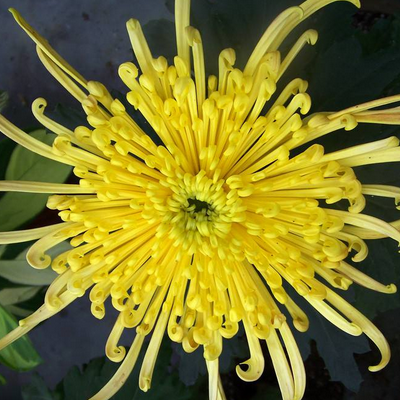
Can chrysanthemums be propagated by cuttings in August? A detailed guide to the cutting method
Chrysanthemums are the flowers of autumn and a symbol of the season, usually blooming from August to October. So can chrysanthemums be propagated by cuttings in August? How do you take chrysanthemum cuttings? Can chrysanthemums be propagated by cuttings in August: Chrysanthemums can be propagated by cuttings, but the timing and season matter for taking chrysanthemum cuttings.
-

Do a good job of cotton management in July and August for a more secure bumper harvest
I. The importance of battling through July and August. The flowering and boll-setting stage is the longest stage in cotton's growth period and the time when natural resources such as light, heat and water are most abundant, which is very favorable for cotton growth and development. However, this period also has its unfavorable side: not only are natural disasters such as wind, hail, drought and waterlogging frequent, but pests and diseases also occur and cause serious damage. As the farming proverb says, "Cotton is a weed in the dog days; good can turn bad, and bad can turn good." Therefore, this period is the key period for securing a bumper cotton harvest, especially this year, when the cotton growth process is delayed by 7-10 days compared with previous years, and the seedling condition
-
August Is the Right Time for Foliar Potassium Spraying on Cotton
Because the content of available potassium (including water-soluble potassium and readily available potassium) in the soil decreases year by year, available potassium has become the number one demand in cotton nutritional physiology. When 30-40 jin of high-quality potassium fertilizer is applied in the base fertilizer, due to the consumption by cotton growth and development and leaching after heavy rain, by August the available potassium content in the soil will again drop to its original level. Entering August, as soil aeration deteriorates and the ground temperature drops after the cotton field closes its rows, the soil's potassium supply capacity weakens day by day. If potassium fertilizer cannot be supplemented in time, obvious potassium deficiency will appear
-
What are the main farming arrangements for tea farmers in August
In August, the hot climate favors the occurrence of pests and diseases. At present, the focus of tea farming is the prevention, rescue and control of drought and heat damage in tea gardens and pest and disease control. Prevention and rescue of drought and heat damage: Under the attack of high temperature and drought, tea plants will show symptoms of drought and heat damage such as scorched spots, scorched leaves, and shrinkage of terminal buds and tender stems after about 8-10 days, especially in young tea gardens, which are more severely affected. Preventive measures: First, timely plowing and hoeing. Timely weeding can reduce evaporation of surface soil moisture and is an effective measure to prevent drought. Production practice has proven that before the hot weather begins, if
-
Detailed Explanation of Key Tea Plant Cultivation and Management Techniques for August
1. Judging the plucking of third flush tea. This year's spring tea was slightly later than usual, so a somewhat delayed growth of the third flush tea is within expectations. For third flush tea plucking, if the tree vigor is strong and growth is good, plucking can begin in early August. A delay in the timing of third flush tea plucking means that the autumn buds at the time of autumn pruning cannot harden sufficiently, causing reduced yield and income for next year's spring tea. Thirty days after new leaves unfold, leaf area reaches its maximum, after which they fully harden; this process takes about 90 to 100 days. In tea gardens where the third flush is not plucked, in August
-
Tea Farmers' August Tea Garden Farming Management Arrangement Guide
August brings hot weather, which favors the occurrence of pests and diseases. At present, the focus of tea farming is the prevention, rescue and pest and disease control of drought and heat damage in tea gardens. Prevention and rescue of drought and heat damage. Under attack by high temperature and drought, tea trees will show symptoms of drought and heat damage such as scorched spots, scorched leaves, and shrinkage of terminal buds and young stems after about 8~10 days, especially in young tea gardens, where it is more serious. Prevention measures: First, timely hoeing and cultivation. Timely weeding can reduce evaporation of surface soil moisture and is an effective measure to prevent drought. Production practice has proved that before hot weather begins, if drought is likely to occur, weeds should be hoed and the soil loosened immediately when the weather improves after rain. Never do this during a drought period, causing tea trees (especially young ones) to suddenly be exposed to the sun and die. Second, mulching with grass. Spread grass on both sides of the tea trees to lower ground temperature, keep the soil moist, store water, and suppress weeds. This is a good way to prevent drought and retain water. Rescue measures: For tea trees that have already suffered drought and heat damage, active rescue measures should be taken. For example, for the dead branches and dry leaves of damaged tea trees, after the drought disappears, pruning of varying degrees should be carried out according to the degree of damage. Apply quick-acting nitrogen fertilizer and potassium fertilizer in a timely manner to cultivate autumn shoots and restore the vitality of the tea trees.
-
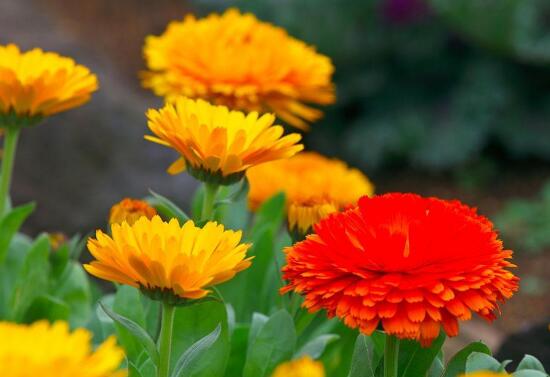
When Does Calendula Bloom? Sow in August and It Will Bloom in Winter
Calendula, a highly ornamental flower with a chrysanthemum-like shape and vivid colors, is deeply loved by gardening enthusiasts. In daily life, many people grow calendula, and what they look forward to most is its blooming. So when does calendula bloom? Many gardening enthusiasts want calendula to bloom in winter - can calendula bloom in winter? On this topic,
-
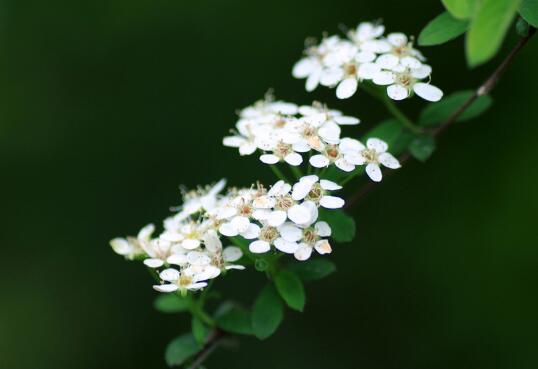
When does Sorbaria sorbifolia bloom? Flowering-period care for Sorbaria sorbifolia / blooms July-August, flowering period 2 months
Sorbaria sorbifolia is a fairly common plant worldwide and is highly ornamental, but when it comes to its most ornamental stage, that is certainly when it blooms. So when does Sorbaria sorbifolia bloom? And what does flowering-period care for Sorbaria sorbifolia involve? Let's take a look below.
-
Recommended Flowers and Plants to Plant in August
Sowing: daisies, dianthus, Calendula, wallflowers, black-eyed Susans, snapdragons, pansies, scarlet sage, and stock, all of which will bloom in flowerbeds next spring. Cuttings: Boston ivy, Chinese rose, gardenia, coleus, honeysuckle, and Alternanthera. Division: daylily, blackberry lily, hosta, iris, daylily, and blanket flower.
-
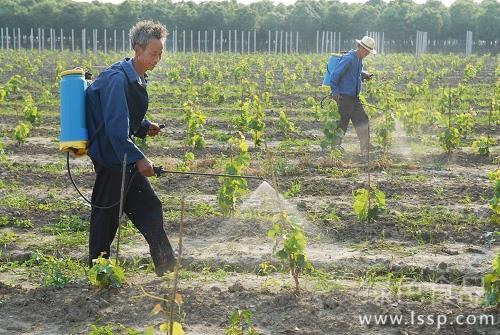
August management key points for newly planted grapes: proper management brings higher yields
Proper management raises grape yields: August management key points for newly planted grapes
条件筛选