-
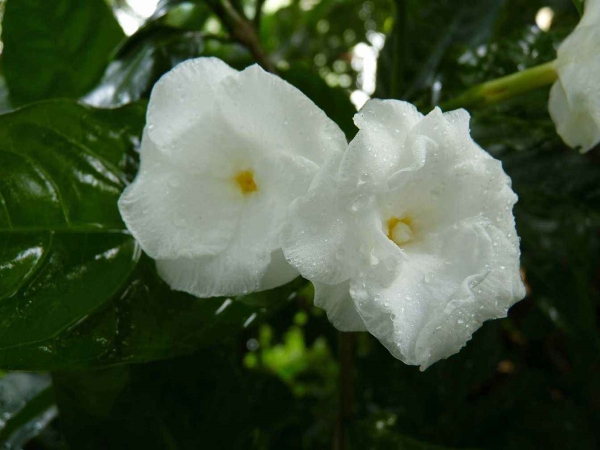
How to grow Tabernaemontana divaricata? These care methods you need to master
Temperature: Tabernaemontana divaricata likes to grow in a hot and humid environment, and it is not cold-tolerant. When the temperature is below 0°C, the plant will die from freezing. So in winter it is best to move it indoors for growing. Fertilizing: Tabernaemontana divaricata has a relatively large demand for nutrients, and we need to fertilize it in time before it blooms.
-
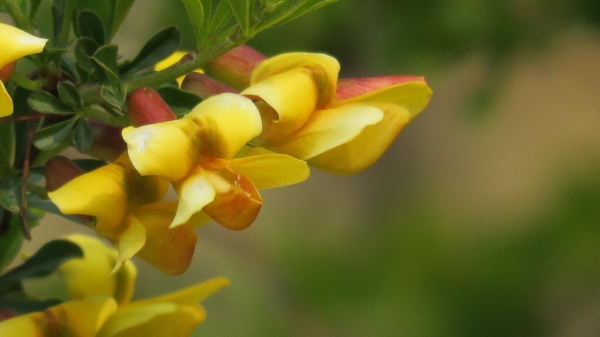
How to grow Caragana? These care points you need to master
Caragana loves light, so place it in a spot with plenty of sunshine. For the soil, it is best to choose a fertile sandy soil with good drainage. Have you learned the shaping methods for Caragana bonsai? For Caragana shaping, those with a single twisted trunk and an quaint, elegant posture are preferred, and it can also be trained into a form with branches and leaves drooping down in profusion; or with exposed roots and claws, showing its aged appearance, so as to achieve the effect of beautiful form and brilliant flowers.
-
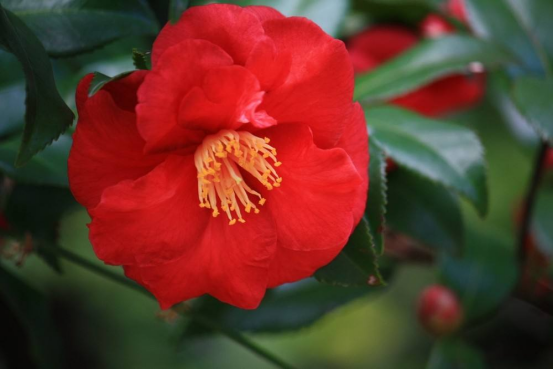
How to grow bonsai? Mastering these care essentials is key
1. Light: To enjoy the beauty of a Camellia sasanqua bonsai all year round, regular care is very important. Camellia sasanqua is a plant that needs to grow in a semi-shaded environment, and it also needs good ventilation. If it lacks light and ventilation over time, the leaves will lose their gloss, the flower colors will not be bright enough, and it may even produce few flowers
-
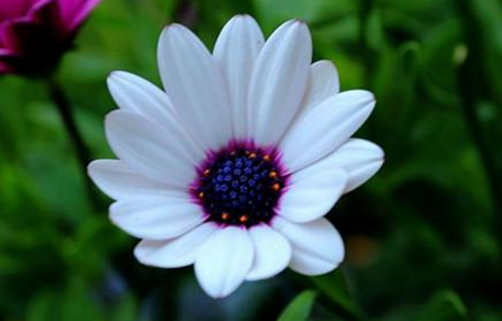
A detailed guide to the steps of propagating blue-eyed daisy (blue marguerite) from cuttings, so you can easily master the propagation method
1. Cutting time. The blue-eyed daisy (blue marguerite) dislikes heat, so when we take cuttings of it, we must avoid the high-temperature summer season, because the weather is hot in summer and taking cuttings at this time will greatly affect the survival rate of the blue-eyed daisy. Therefore, the best season for taking blue-eyed daisy cuttings should be spring
-
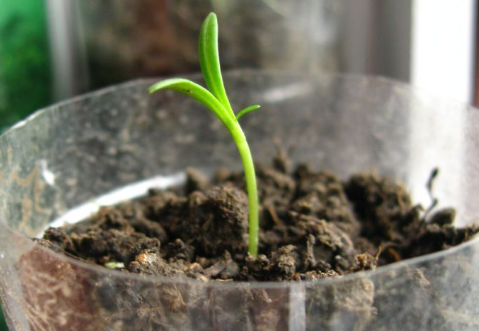
A detailed guide to sowing dahlia seeds: beginners can master it at a glance
1. To grow healthy and beautiful dahlias, choose good-quality seeds, preferably seeds produced by hand pollination. 2. Sowing is generally done around May; sow the seeds by spot sowing in a flower pot and lightly cover them with a thin layer of soil. 3. Keep the growing environment warm and moist; they usually sprout in about a week.
-
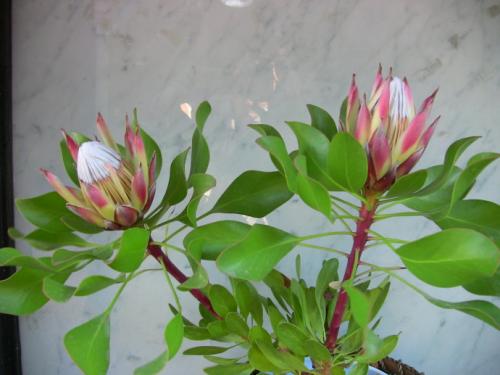
How to grow Protea? These care measures you need to master
Measure one - soil selection. The planting soil for Protea needs to be loose, well-draining sandy soil, which is beneficial to the growth of Protea. Measure two - light. Protea likes an environment with plenty of light, so make sure Protea gets sufficient light; it is generally placed on balconies and in ventilated, sunny spots.
-
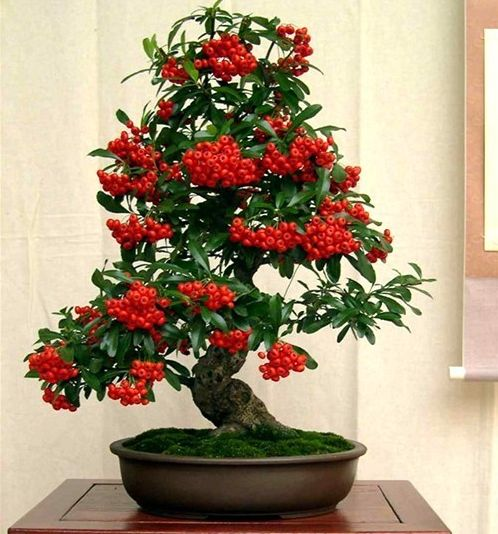
How to make a firethorn bonsai? Master these key production points
In the south, use collected stumps; in the north, use the cutting method. 1. Collecting stumps: First, do the pre-digging preparation work, preparing pruning shears, a hand saw, a knife, a small iron shovel, large and small plastic bags or other packaging bags. Choose species with beautiful tree posture, fine branches and leaves, strong sprouting ability and tolerance for pruning, easy potting and a relatively long lifespan
-
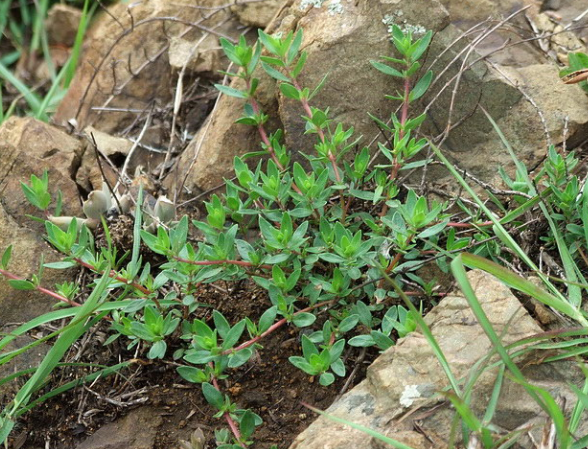
A detailed guide to thyme propagation methods, easy for beginners to master at a glance
Sowing Sowing is generally carried out in March-April. Thyme seeds are tiny, so the seedling bed must be well prepared; the soil should be fine and level. After watering, scatter the seeds, then cover the surface with a layer of fine soil, and then build a small arched frame covered with plastic film to keep warmth and moisture. Seedlings generally emerge after 10-12 days
-
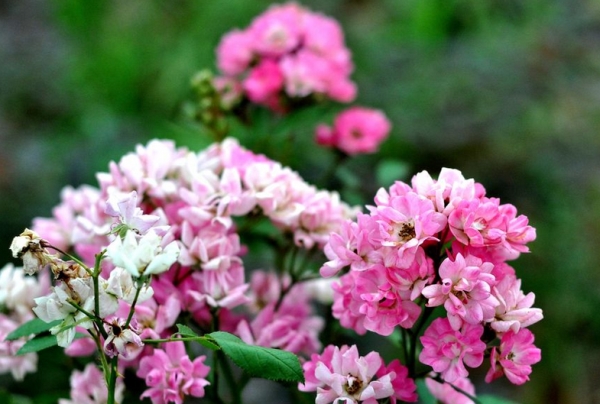
How to propagate Rosa rubus? Master the common methods in one article
Rosa rubus can be propagated by layering or cuttings. Note that the spacing between planted specimens should be no less than 2 m. From early spring budding until flowering, water appropriately 3-4 times according to weather conditions, water frequently, and keep the soil moist. Insufficient light or excessive drought will lead to a reduction in the number of Rosa rubus flowers
-
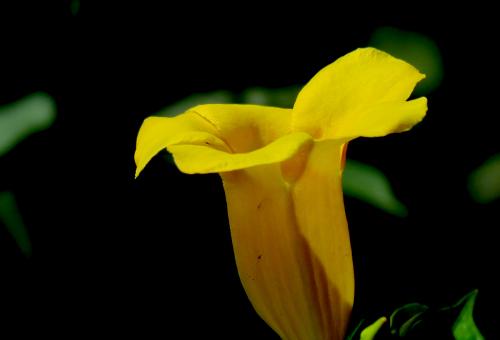
How to grow yellow oleander (Allamanda)? Master these care methods and precautions
1. Light: Yellow oleander likes a hot, humid environment with plenty of light, so place it on a balcony or in a spot with direct sunlight. 2. Watering: Yellow oleander is tolerant of wet conditions and likes a humid environment, so water it frequently during its growing season, but reduce watering in winter.
条件筛选