-

What is the difference between Panax notoginseng and Gynura segetum? This article teaches you to tell them apart
Also known as red-backed sanqi, soil sanqi, and blood-breaking elixir. The source is the root of the Asteraceae plant Gynura segetum (Lour.) Merr. Plant morphology: perennial herb, 1-1.5 m tall. Stem erect, somewhat succulent, with fine longitudinal ridges. Basal leaves clustered, spoon-shaped, entire or serrate or pinnately divided, purple-green beneath; cauline leaves alternate, oblong, 10-25 cm long, 5-10 cm wide, pinnately divided, lobes ovate to lanceolate, margin shallowly
-
What are the summer pruning techniques for Golden Plum Jujube? Explained clearly in one article
The tree shaping and pruning techniques for Golden Plum Jujube after the orchard is established are an important part of production management. It is an important management measure carried out on the basis of comprehensive soil, fertilizer and water management, according to the growth and development characteristics of jujube trees and in combination with environmental conditions. Through shaping and pruning, strong and firm scaffold branches with a reasonable distribution are cultivated, and an appropriate number of fruiting branches and a tree structure with good ventilation and light penetration are maintained. According to the different seasons, shaping and pruning are often divided into winter pruning (dormant period pruning) and summer pruning (growing season pruning). The commonly used summer pruning methods are as follows: 1. Jujube head
-
How to prevent and treat swine pox? Master swine pox prevention and treatment methods in one article
This disease is an acute, febrile infectious disease caused by the swine pox virus, in which pox lesions appear on the mucous membranes of certain parts of the skin. When the weather is rainy and cold, the pigpen is damp and filthy, and the pigs are malnourished, the epidemic is severe, with high morbidity and mortality rates. It often occurs in piglets aged 4-6 weeks. When the disease occurs, the sick pig's body temperature rises above 41°C, it stops eating, the inflamed eyelids are stuck together by secretions, the nostrils run with mucus or become blocked, and red spots appear on parts of the body with sparse hair such as the snout, eyelids, inner thighs, and lower abdomen,
-
What are the key cultivation techniques for Madeira vine? Explained in one article
Madeira vine, also known as Ceylon spinach, belongs to the Basellaceae family and is a perennial climbing plant native to Brazil. It is grown in many regions of China, especially in the south. It is easy to cultivate, has few pest and disease problems, is highly nutritious and good-tasting, and is rich in vitamin A and vitamin C. It has effects such as nourishing the body, strengthening the waist and knees, dissipating phlegm, promoting blood circulation, and protecting the stomach and liver. It is a natural green health food and medicinal food, and is well worth promoting, cultivating and eating.
-
What are the key points of Schisandra cultivation techniques? A detailed explanation of planting methods in one article
1. Overview. Also known as northern Schisandra and Liaoning Schisandra, it is a plant of the Magnoliaceae family, and its fruit is used as medicine. It has the effects of astringing the lungs, nourishing the kidneys, stopping diarrhea, and securing essence. It is mainly produced in the Northeast and in provinces and autonomous regions such as Hebei, Shanxi, Shaanxi, Ningxia, Shandong, and Hubei. 2. Cultivation techniques. Schisandra is mainly propagated by seed. After the fruit is harvested in August-September, the flesh is removed and the seeds are washed out. Direct sowing of dry seeds does not produce seedlings because the seed coat is hard, smooth, and has an oily layer that is impermeable to light. Before sowing, the seeds need to be treated. After soaking the seeds at room temperature for 2 days and nights, mix them evenly with 3 times the amount of clean river sand, and bury them
-
What nutritional value do mushrooms have? A comprehensive analysis in one article
Every vegetable has its own unique nutrition; are you aware of it? Which vitamins do they contain? What are their main benefits? When you fall ill, which vegetables should you eat more of? These seem like topics that nutrition experts should concern themselves with, right? But in today's "sub-health" society, we have no choice but to master some knowledge of nutrition to support our bodies, which are increasingly burdened with "heavy loads." Introduction to the button mushroom: The button mushroom is delicious, with a delicate, soft, and smooth texture that is very palatable. It can be stir-fried or blanched and served cold, and its shape is neat and attractive, making it one of people's
-
What are the key points of Nanguo pear cultivation techniques? Explained clearly in one article
Nanguo pear is an extremely excellent variety in the Pyrus ussuriensis system. Its color, aroma, and taste are all excellent, and it is deeply loved by the broad masses of people. It is extremely cold-resistant, high-yielding, and easy to manage. It flowers in 3 years, and in 5 years a single tree can produce up to 20 kg. A 20-year-old high-yielding tree can produce 300-500 kg per tree. Therefore, mastering Nanguo pear cultivation techniques is very crucial. The key points are as follows. 1. Orchard planning According to differences in terrain, topography, soil, climate, and other conditions, divide the orchard into several production operation areas, with an area of 120-150 mu as appropriate. Configure
-
What is the difference between the two rice diseases? Explained clearly in one article
In recent years, bacterial brown spot of rice has shown a trend of relatively severe occurrence in some rice areas of our province. Most farmers mistakenly treat this disease as rice blast, which both increases costs and fails to achieve good results. For this reason, the two diseases are specifically distinguished below. 1. Symptoms. The symptoms of bacterial brown spot of rice are that reddish-brown small spots first appear on the upper leaves of the rice starting from the leaf tip and leaf edge, then expand into spindle-shaped, long oval, or irregular strip-like streaks, gradually spreading to the entire leaf, causing local necrosis of the leaf, with no bacterial ooze visible
-
What is milkfish belly? An article to help you get to know it
Ingredients: 1 milkfish, 1 piece ginger (shredded and grated), a little mustard, a little rice wine, a little soy paste. Method: 1. Scale and remove the head of the milkfish (the head is edible, do not discard it); cut from the belly at the vent, cut through to the backbone, slice the belly along the backbone, then remove the internal organs. 2. Bring water to a boil, add the shredded ginger and fish belly, cook for about 5-8 minutes, then scoop out. (Dipping sauce: grated ginger plus soy paste; adding mustard makes the flavor even better.) Method for preparing mustard: mix mustard powder with rice wine until even, cover and seal, and let it steam for 5-
-
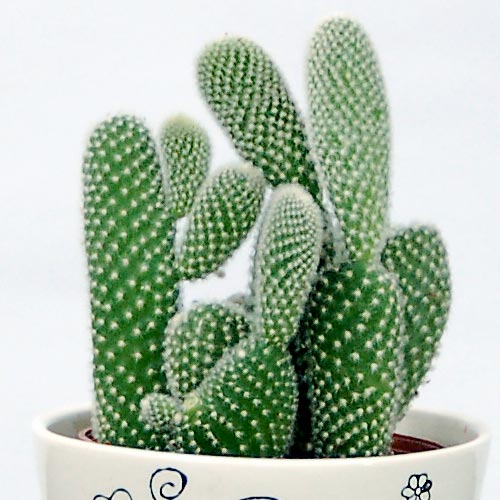
Which plants fear rain and sun exposure in summer? This article is all you need
Summer is a season of high temperature and high humidity, which is bad for the growth of flowers and plants. Below are how some common potted flowers react to high humidity. Flower lovers should pay more attention to preventing dampness, so that the flowers they have painstakingly cultivated do not die. In home potted cultivation, cacti and cactus balls (Echinopsis) are fairly drought-tolerant, and the water used for watering must be clean, without any dirt
条件筛选