-
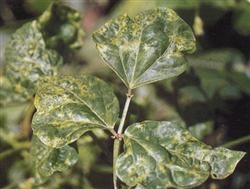
What are the common diseases of mung bean? Read this article to understand
What diseases affect mung bean? What are the main harms? How to prevent and control them? We also invite knowledgeable readers to help explain. The main diseases of mung bean are viral disease, leaf spot disease and root rot. Zhongdiwang has compiled the harms and control methods of the above diseases, listed below for readers' reference. Harm of mung bean viral disease:...
-

What are the control methods for the rice leaf beetle? Explained in one article
What damage does the rice leaf beetle cause? What control methods are there? We also ask netizens to help introduce them. Zhongdiwang has compiled the damage caused by the rice leaf beetle and its control methods, listed below for netizens' reference. Damage caused by the rice leaf beetle: The leaf beetle mainly damages rice seedlings and rice plants in paddy fields. Adults and larvae feed...
-

What does virus-free potato mean? This article explains it in detail for you
What is a virus-free potato? What characteristics do virus-free potatoes have? We also ask knowledgeable readers to help explain. Zhongdi Web has compiled the disadvantages of non-virus-free potatoes and the advantages of virus-free potatoes. The following is a detailed list for readers' reference. Disadvantages of non-virus-free potatoes: Potatoes are rich in nutrients and have a short growth period...
-
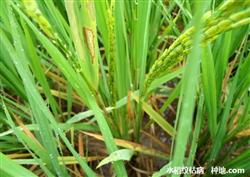
What pests and diseases affect rice in the late stage? A single article explains the control methods clearly
What pests and diseases affect rice in the late stage? How to control them? Please explain in detail. The main pests and diseases in the late stage of rice are: 1. Sheath blight: the disease has recently risen faster, with an average diseased-hill rate of 13.7% and a diseased-plant rate of 3.3%. The rise in disease severity is noticeably faster than in the previous period, especially for the Wuyunjing series varieties, where sheath blight is generally quite severe...
-
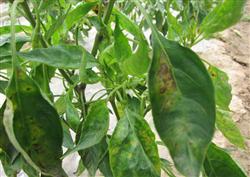
What Is Pepper Anthracnose? Understanding the Disease's Characteristics in One Article
What is pepper anthracnose? What methods can be used to control pepper anthracnose? Please help explain. Anthracnose is a major disease of peppers, spreading quickly under high temperature and high humidity conditions, with a long period of damage, often causing considerable losses. Peppers can develop anthracnose throughout the entire growth period, and anthracnose mainly damages leaves and fruits...
-
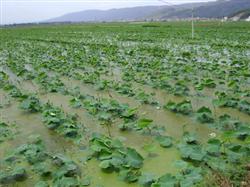
What is the difference between deep-water lotus root and shallow-water lotus root? Explained in one article
What is the difference between deep-water lotus root and shallow-water lotus root? Please give an introduction. Deep-water lotus root and shallow-water lotus root are different. According to the adaptability of lotus root to water level, it can be divided into two ecological types: shallow-water lotus root and deep-water lotus root. Shallow-water lotus root is suitable for a water level of 10-20 cm, with a maximum water depth tolerance of 30-50 cm. Deep-water lotus root is suitable for a water level of 30-50 cm, with a maximum water depth tolerance...
-
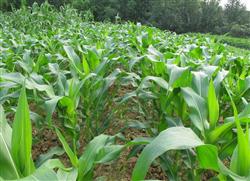
How is corn bred? Understanding corn breeding methods in one article
How is corn bred? Please explain corn's natural cross-pollination habit and the heterozygosity of its genetic basis, as well as the breeding procedure that exploits the heterosis of F1 generations between inbred lines arising from this, which together form the particularity of corn breeding. With almost no exception, every successful corn breeder and research institute starts from...
-
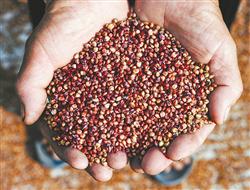
What are the nutritional characteristics of sorghum? Read this one article to understand
What are the nutritional characteristics of sorghum? Please note that the main utilized parts of sorghum include the grain, rice bran, and stalks. Among these, the main nutrient contents in the grain are: crude fat 3%, crude protein 8-11%, crude fiber 2-3%, and starch 65-70%. 1. Protein The grain generally contains 9-11%, of which about 0.28% is lysine, ...
-
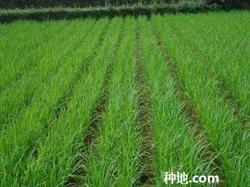
What are the benefits of applying silicon fertilizer to rice? Explained clearly in one article
What are the benefits of applying silicon fertilizer to rice? Please introduce. Rice is a typical silicon-accumulating and silicon-loving crop, with a relatively high demand for silicon, close to that for nitrogen, phosphorus and potassium, ranking fourth. The results of trials and applied research show that silicon plays a considerable role in rice growth. 1. Applying silicon to rice can enhance the rice's resistance...
-
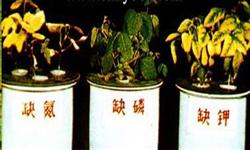
How to identify and remedy soybean nutrient deficiency? The methods explained clearly in one article
1. Nitrogen deficiency When soybeans are deficient in nitrogen, the leaves turn pale green, growth is slow, and the leaves gradually turn yellow. Nitrogen fertilizer should be applied in time as a top dressing, 5 kg to 7.5 kg of urea per mu, or a 1% to 2% urea aqueous solution can be used for foliar spraying, spraying once about every 7 days, for a total of 2 to 3 sprays. 2. Phosphorus deficiency In the early stage, the plant's leaf color...
条件筛选