-

How to care for a money tree (Pachira aquatica) in winter? If it gets frostbitten, here is how to save it
The money tree, symbolizing good fortune and wealth, has an elegant form and stays evergreen all year round, making it deeply loved by people. However, the money tree has poor cold tolerance, so when growing it in winter, you should pay attention to several aspects such as temperature, moisture and light
-
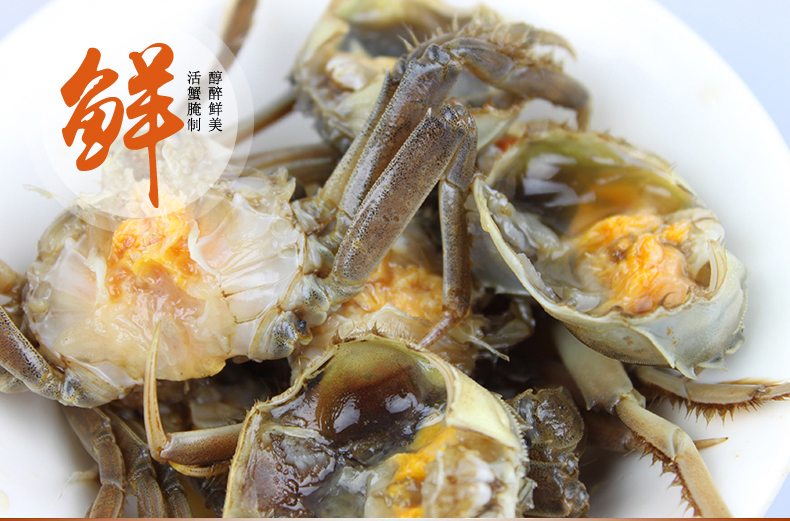
Why should river crab farmers plant aquatic plants before the New Year?
Why is it recommended that river crab farmers plant aquatic plants before the New Year?
-
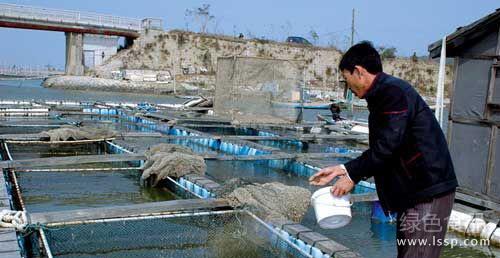
Technical Points for Safe Medication in Healthy Aquaculture of Aquatic Products
Technical Points for Safe Medication in Healthy Aquaculture of Aquatic Products
-

Detailed Explanation of Key Points on Aquatic Plant Cultivation Techniques and Methods
Aquatic Plant Cultivation Techniques
-
Symptoms and Treatment Methods of Aquatic Fungus Disease in Koi
The term "fungal disease" is heard frequently, and there are many examples showing that even in mammals, including humans, this disease is difficult to cure. So-called "fungi" mainly refer to algae-like fungi, or aquatic fungi and filamentous fungi belonging to the Fungi Imperfecti. These fungi attach to the remains of animals and plants, using the remains as a nutrient source, and grow filamentous hyphae. These hyphae belong to lower plants that do not contain chlorophyll, and according to reports from academic societies, there are more than ten types of hyphae, including aquatic fungus disease. What will be discussed here is,
-
Fishery Science and Technology Collaboration Network: 100 Key Achievements in Aquatic Science and Technology
At the 2007 National Fishery Science and Technology Collaboration Network Conference that concluded today, a declaration was issued to the national fishery science and technology community on jointly advancing the "Ten Major Actions," and 100 key achievements in aquatic science and technology were introduced and released to the public. It is reported that the 100 aquatic science and technology achievements cover disciplines and fields such as resource conservation and development, aquatic species breeding, healthy aquaculture, aquatic disease prevention and control, aquatic product quality and safety, and fishery equipment and engineering. They include both national-level major achievements in high and new technology and the promotion of independent innovation, as well as those oriented to industry development needs
-
Long-finned koi successfully bred at aquatic improved variety trial farm
In Renhe Village, Bingcun, Meixian, there is a farmer named Qiu Dong. Two years ago, he suffered a natural disaster while growing golden pomelo, and nearly 400,000 yuan of investment was almost completely lost. He then switched to raising grass carp, but an 8-mu pond earned him only about two thousand yuan in a year, unable to make ends meet, and he fell into no small amount of debt, with his finances in dire straits. One day, a fisheries expert appeared and showed him a kind of fry, which brought a turning point in his life. Now, he has become a locally somewhat well-known "fish" farming specialist, with an annual net income of more than 20,000 yuan, and has led three or four neighboring relatively poor villagers to prosper together.
-
The dace is an aquatic improved species with relatively high economic value for farming.
Dace is also known as river fish and slippery fish. There are more than 20 species of dace worldwide, distributed only in China, Japan, Korea and the eastern part of the former Soviet Union. China has about 10 species of dace, mainly distributed in the waters of northern China. The species vary by region; those with mature farming technology and relatively high economic value include: 1. Baikal dace. Mainly distributed in the **Burqin area of China. This fish is a small to medium-sized precious fish, weighing 100-200 grams, with excellent flesh flavor, strong reproductive capacity and high population yield. 2. Northeast dace. Most are distributed
-
Detailed explanation of the production process for canned braised fish: Methods for making seasoned aquatic canned products
The processing of canned braised fish mainly adopts the braising technique characteristic of Chinese cooking. The fish pieces may first be fried and then canned with seasoning liquid poured in; or dehydrated and then canned with seasoning liquid poured in; or directly packed raw and then filled with seasoning liquid; or the fish pieces may be braised and roasted together with the seasoning liquid, then canned and an appropriate amount of seasoning liquid poured in, etc. Depending on the cooking method, the product name also differs. Examples include crispy, braised, and oil-braised. The finished product generally has a relatively large amount of broth, a deep red color, and the flavor of braised fish. Common varieties include canned braised chub mackerel, canned braised common carp, canned braised mixed fish, crispy yellow croaker,
-
A complete guide to aquatic plant species for crayfish farming, with pictures, to help farmers identify them
In the process of crayfish farming, the selection and care of aquatic plants is a relatively important part. Today I will briefly introduce the aquatic plants that can...
条件筛选