Technical Points for Safe Medication in Healthy Aquaculture of Aquatic Products
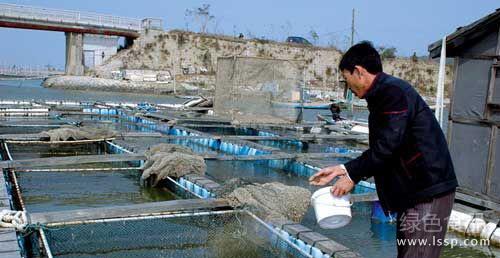
Aquaculture
In recent years, as people's awareness of environmental protection and food safety has gradually increased, advocating ecological and healthy aquaculture has gradually become the leading direction of modern fisheries. How to standardize, scientifically and safely use medications, prevent excessive drug residues in aquatic products, and ensure the green, high-quality and healthy nature of aquatic products has become the key to developing the modern aquaculture industry. Therefore, aquaculture producers must standardize the use of national-standard fishery drugs.
I. The Meaning of Healthy Aquaculture
Healthy aquaculture means, according to the ecological and living habits of the cultured species, adopting scientific and reasonable culture models and systematic standardized management techniques, and through scientific water management, scientific feeding of high-quality feed, scientific medication for disease prevention and control, and scientific management, enabling them to grow healthily and rapidly under a human-controlled ecological environment, ultimately producing healthy, high-quality and safe green food.
II. Types of Fishery Drugs
Fishery drugs can be divided into 8 major categories:
1. Environment improvers: drugs used for the purpose of improving the water environment of aquaculture production, including substrate improvers, water improvers and ecological condition improvers.
2. Disinfectants: drugs used for the purpose of killing microorganisms in water bodies. These include oxidants, organic iodine, etc.
3. Antimicrobial drugs: drugs that kill or inhibit the reproduction and growth of microorganisms in the body through oral administration, immersion or injection. These include antiviral drugs, antibacterial drugs, antifungal drugs, etc.
4. Antiparasitic drugs: drugs that kill or expel external or internal parasites through medicated baths or oral administration, as well as drugs that kill harmful invertebrates in water bodies. These include antiprotozoal drugs, anthelmintic drugs and anticrustacean drugs, etc.
5. Biological products: preparations of microorganisms and their corresponding products made through physical, chemical or biotechnological means, usually with specific effects. These include vaccines, immune sera, etc. Biological products in the broad sense also include microecological preparations.
6. Microecological preparations: microecological preparations are also called beneficial microorganisms, probiotics, microecological regulators, probiotics, live bacteria preparations, etc. They are preparations containing large amounts of beneficial bacteria formed after culturing and multiplying microorganisms extracted and isolated from the natural environment.
7. Chinese herbal medicines: mainly refers to plant medicines used for preventing and treating diseases of aquatic animals and plants.
8. Others: including antioxidants, anesthetics, antifungal agents, synergists, oxytocin, and other drugs.
III. Principles for Selecting Fishery Drugs
1. The use of fishery drugs should be based on the fundamental principle of not harming human health and not damaging the water ecological environment;
2. Select pollution-free and environmentally friendly drugs, and encourage the use of fishery drugs with “three effects” and “three smalls.”
3. Advocate comprehensive ecological prevention and control and the use of immune enhancers, microecological preparations, biological fishery drugs, and Chinese herbal medicines to replace antibiotics.