-
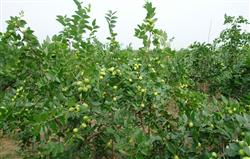
What are the pesticide application methods for jujube tree cultivation? Explained clearly in one article
What pesticide application methods are there for jujube tree cultivation? Please explain. The commonly used pesticide application methods in jujube tree cultivation include the following: (1) Spraying method: generally for emulsifiable concentrates and wettable powders, they should be mixed into an emulsion of appropriate concentration and applied with spraying equipment; ultra-low-volume spray agents can be sprayed directly without adding water. (2...
-
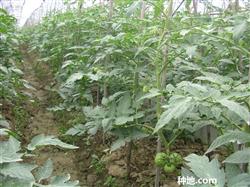
Proper application methods of foliar fertilizer for tomatoes
How should foliar fertilizer be applied to tomatoes? Please explain how to guide the timely spraying of calcium fertilizer on the leaves. Tomato fruit growth requires a relatively large amount of calcium, and when the soil supply of calcium is insufficient, the fruit is prone to blossom-end rot. Therefore, during the fruiting period of tomatoes, calcium chloride, superphosphate, amino acid calcium, calcium supplement preparations, etc. should be sprayed to meet the tomato's need for calcium...
-
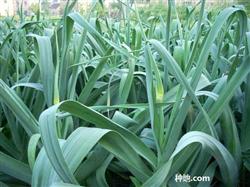
Correct application methods of foliar fertilizer for garlic
How to apply foliar fertilizer when growing garlic? Please give guidance. Foliar fertilization allows nutrients to enter the plant body through the leaves and directly participate in the plant's metabolic processes and the synthesis of organic matter. Its effect is faster than soil fertilization, and it is an economical and reasonable fertilization technique. After garlic is treated with garlic growth promoter, the garlic seedlings'...
-
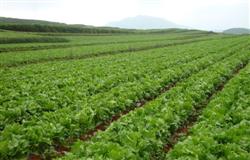
A Complete Guide to Composting Organic Fertilizer and Its Application Methods
Applying organic fertilizer in vegetable production can achieve the goal of continuously supplying various nutrient needs in the crop root zone, and can also gradually improve the organic matter and buffering capacity of vegetable garden soil, and can alleviate soil-borne diseases and continuous cropping obstacles in many important ways. Therefore, vegetable production has always valued the application of organic fertilizer. However...
-
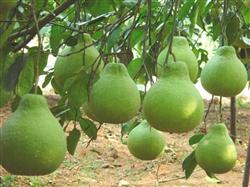
Can wood ash be used on red heart honey pomelo? Application methods explained
Summer is the period when red-fleshed honey pomelo roots grow, summer shoots emerge, and young fruit and fruit enlargement occur. This period is important for fertilization throughout the year, and it is also a period when pests and diseases occur heavily. All summer management technical measures must be carried out in a timely manner to promote strong shoots and strong fruit, and to secure a bumper harvest. The following points are proposed for summer management for reference. 1 and...
-
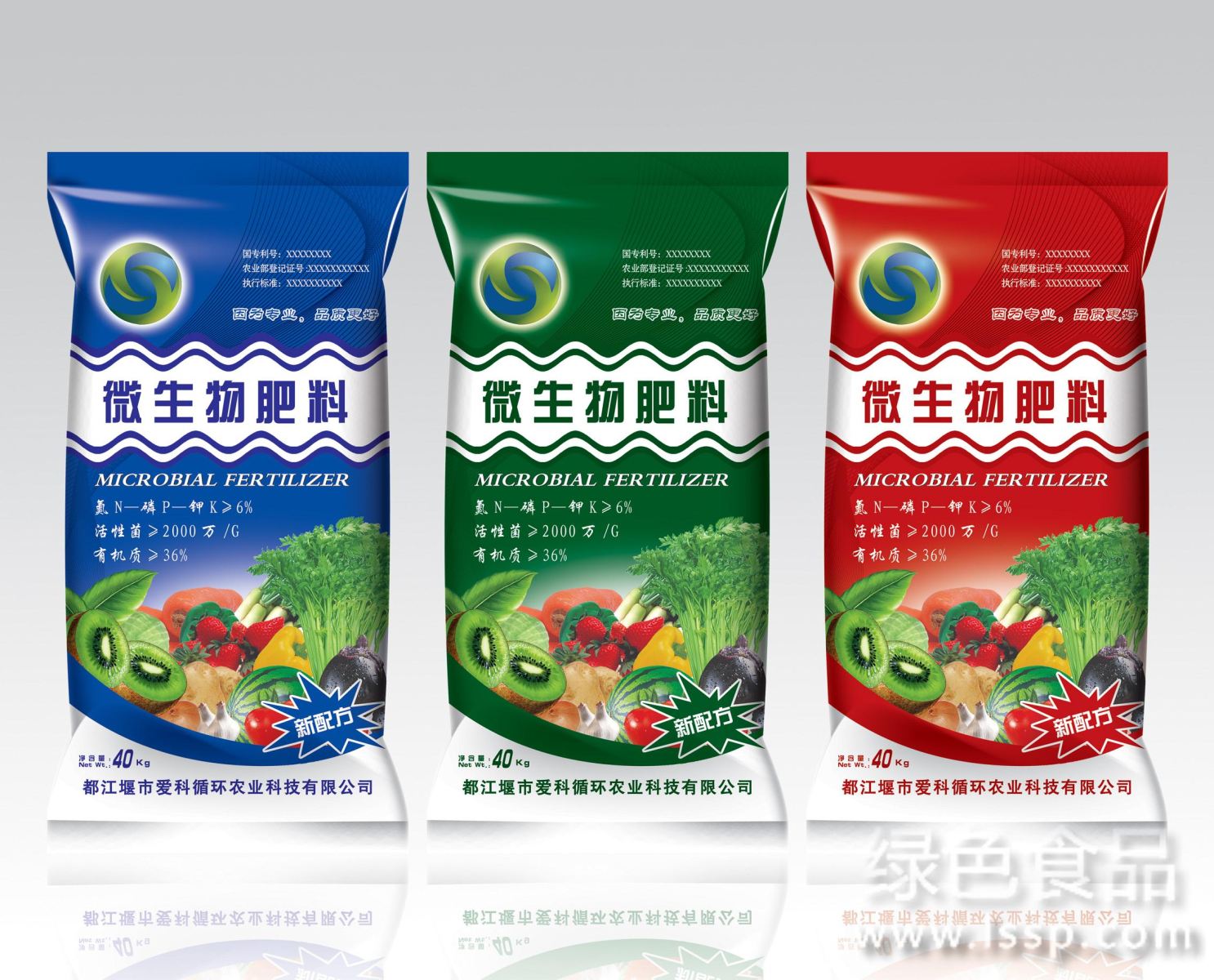
Correct Application Methods of Microbial Fertilizers and Key Points for Scientific Cultivation
Correct Application Methods of Microbial Fertilizers in Scientific Cultivation
-
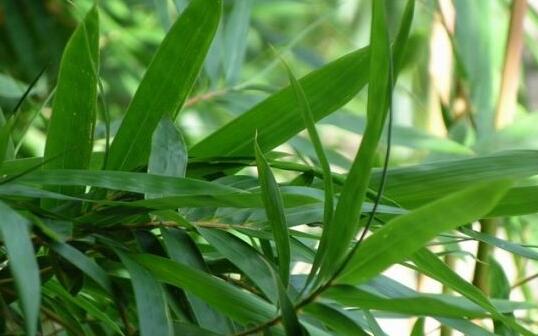
How to Fertilize Bambusa multiplex (Fairy Bamboo)? A Detailed Guide to Fertilizer Selection and Application Methods
When growing Bambusa multiplex, fertilization is essential. It not only provides the nutrients the bamboo needs for growth but also boosts its resistance to disease. However, fertilization should be neither too little nor too much. So how do you fertilize Bambusa multiplex? Let us give you the answer.
-

Application Methods of Baijiu in Sericulture Production
Baijiu is made by fermenting grain or certain fruits, has a bactericidal effect, and is commonly used as a disinfectant, cleaning agent and preservative. At the same time, it is also a traditional Chinese medicine that can promote blood circulation, lift the spirits and enhance the action of medicines, and is known as the "chief of a hundred medicines." Therefore it is also widely used in sericulture, both preventing disease and increasing yield. 1. Egg surface disinfection. Soak silkworm eggs in 60-proof baijiu, and after about 60-70 seconds immediately remove them, shake off the excess liquid, spread out the silkworm eggs and let them hatch. This allows the ants to emerge earlier, and the ants emerge uniformly, grow robustly and suffer fewer diseases. 2. Mulberry leaf surface
-
Application Methods of Phytase in Pig and Poultry Diets
Phytic acid or phytate is commonly present in plant feedstuffs, and most of the phosphorus in them exists in the form of phytate phosphorus. Phytic acid can form stable complexes called phytates with metal ions such as calcium, iron, zinc, and copper ions, and can also bind with proteins and starch, reducing the activity of endogenous amylase, protease, and lipase, and significantly lowering the digestibility of various nutrients. Phytic acid is not absorbed by monogastric animals and is mostly excreted in feces, which not only greatly reduces phosphorus utilization but also causes environmental pollution, especially water pollution.
-
Engineering Applications and Management Methods for Hokkaido Boxwood
Hokkaido boxwood is an excellent landscaping material, but because it was introduced and promoted relatively late, many design units are still not familiar enough with its growth habits and characteristics, and it is used sparingly or configured inaccurately in design applications. As a result, nursery growers feel lost about how to cultivate and prune it: they plant a whole field of seedlings but do not know how to manage them, and after several years pass, they are left sighing in dismay! Based on several years of research and practice at this nursery, the following cultivation trial methods are considered effective. 1. Single-trunk small tree. When the seedling grows to 1.8-2 m, pinch out the growing tip at the top, keep the upper 30 cm for branching, and remove all branches below so that it concentrates on developing the upper part into a crown.
条件筛选