-
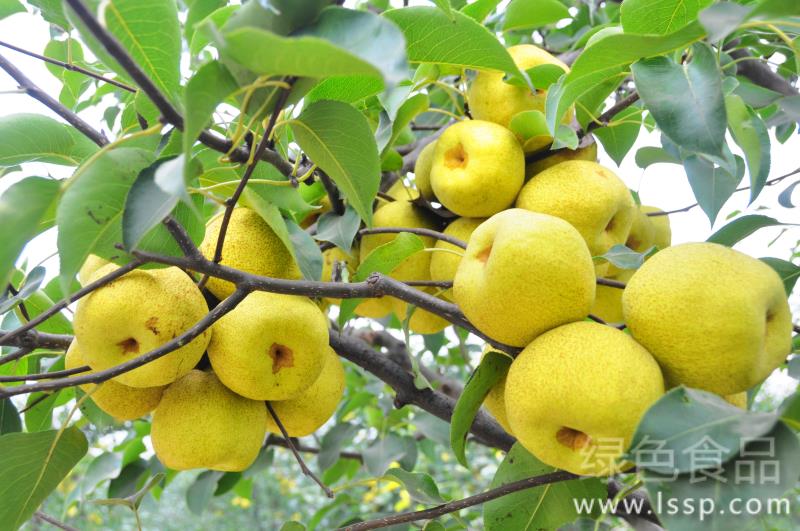
Preparation and Application Methods of Bordeaux Mixture in Pear Orchards
Preparation and Application Methods of Bordeaux Mixture in Pear Orchards
-
Correct Application Methods of Microbial Fertilizers and Key Points for Scientific Cultivation
Correct Application Methods of Microbial Fertilizers in Scientific Cultivation
-
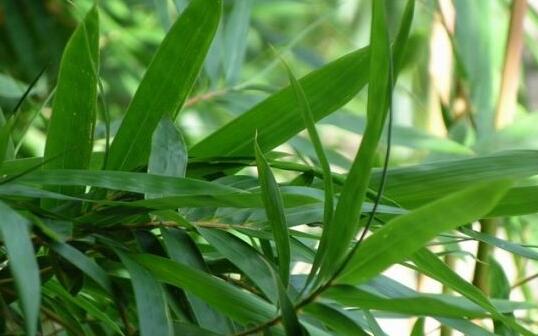
How to Fertilize Bambusa multiplex (Fairy Bamboo)? A Detailed Guide to Fertilizer Selection and Application Methods
When growing Bambusa multiplex, fertilization is essential. It not only provides the nutrients the bamboo needs for growth but also boosts its resistance to disease. However, fertilization should be neither too little nor too much. So how do you fertilize Bambusa multiplex? Let us give you the answer.
-

Processing, Application Methods and Techniques for Tea Seed Shells
Oil tea is a woody oil crop unique to China. According to statistics, China currently has more than 3.47 million hectares of oil tea area, with an annual output of 56.6 billion kg of oil tea seeds. Tea seed shells contain 52.15% lignin, 30.27% pentosan, 5.43% saponin, 2.47% tannin, 0.43% water, 0.13% oil, and 9.12% other components. Because tea seed shells are high in lignin and pentosan, research on their utilization is currently focused on the preparation of furfural, activated carbon and xylitol. 1. Tea seeds
-
A Detailed Guide to the Application Methods of Several Chemical Regulators for Cotton
In cotton production, the commonly used chemical regulators include mepiquat chloride, chlormequat, ethephon, triacontanol, chitin, and others. Some of these chemical regulators can shape an ideal plant architecture, forming a high-photosynthetic-efficiency population per unit area; some can promote robust plant growth and reduce the occurrence of pests and diseases; and some have a ripening effect, effectively regulating the maturity period and thereby reducing the harm from disastrous weather. In short, scientifically applying various chemical regulators well in cotton production is beneficial for increasing yield and improving quality. 1. Mepiquat chloride can both reduce cotton plant height and decrease
-
Key Points of Cotton Chemical Topping and Detailed Explanation of Application Methods
Cotton chemical topping is the use of chemical regulation measures to shape cotton into an ideal plant architecture and create a high-photosynthetic-efficiency population. 1. Status and role of chemical topping. Cotton is a typical light-loving crop. High yield, early maturity and high quality in the early-maturing cotton region of eastern Hebei need to be achieved through rational close planting, but rational close planting will inevitably intensify the contradiction between individual plants and the population in terms of space and light energy utilization in the middle and late stages. Therefore, cotton chemical topping has become an important supporting measure for rational close planting, and is also the core content of early promotion and stress resistance, especially the simplified cultivation technology system. At present, mepiquat chloride in cotton chemical topping
-
What to Do About Excessive Cotton Growth Regulator Application? Master These Mitigation Methods
Every year in late July and early August, many cotton farmers in cotton-growing areas report that some cotton plants showed excessive vigor in the earlier stage, and some even tended toward runaway growth, so they applied the plant growth regulator mepiquat chloride. Because they could not get the concentration right, when the spray concentration was too high and they encountered high-temperature weather, the cotton plants showed symptoms of leaves and branches being unable to spread out, and cotton growth was inhibited. Below are several methods to alleviate excessive cotton growth: Spray Huimanfeng active liquid fertilizer. This fertilizer contains chelated humates and multi-element compound fertilizer
-
Detailed Explanation of the Application Methods of Tea Seed Cake in Aquaculture
Tea seed cake contains tea saponin with hemolytic action, 11%-16% crude protein, 5%-7% fat, 40% digestible sugar, 11% nitrogen, 0.37% phosphoric acid, 1.23% potassium, and various amino acids essential for animals and other nutrients, and it has a wide range of applications in aquaculture. ① Pond treatment and water fertilization. Tea seed cake is the preferred pond-clearing agent for ponds with mixed culture of fish, shrimp and crabs. The pond treatment method is: in a pond with a water depth of 30-50cm, use 25kg/hm3 of crushed tea seed cake; for a pond with a water depth of 1m, it can be increased to 50k
-
Trace elements needed for soybean growth and application methods
Normal soybean growth requires some trace elements, among which the more important ones are molybdenum, boron, zinc, manganese, etc. Molybdenum is a component of soybean root nodule nitrogenase and an indispensable component for the normal life activities of nitrogen-fixing bacteria. Boron is also very important in soybean life activities. Soybeans deficient in boron have poor root development and poor nodule formation, losing their nitrogen-fixing ability. Therefore, attention must also be paid to trace elements. Can the trace elements needed by soybeans be satisfied from the soil? This depends on the abundance or deficiency of trace elements in the soil and environmental conditions. For example, in low-lying or poorly drained
条件筛选