Correct Application Methods of Microbial Fertilizers and Key Points for Scientific Cultivation
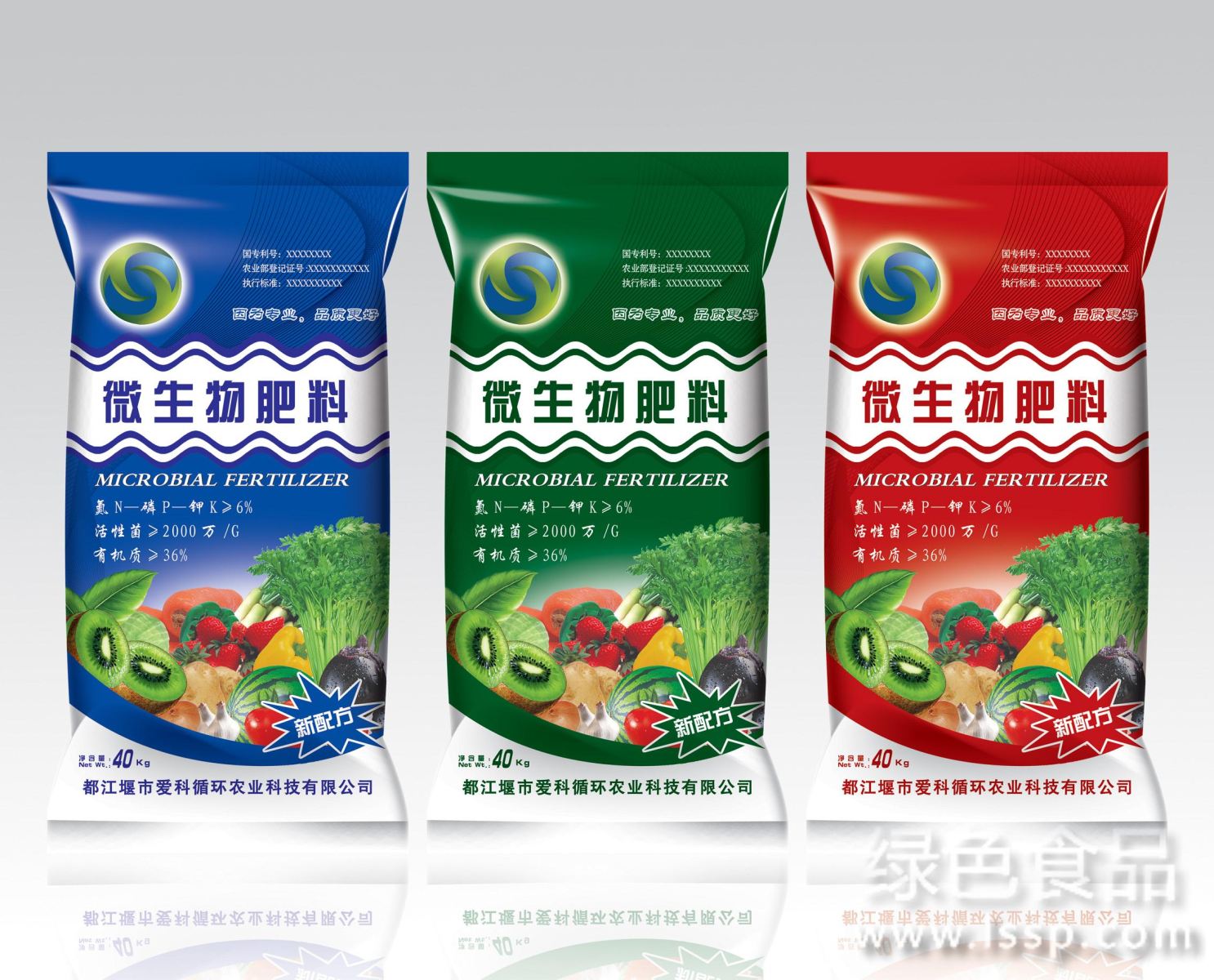
Microbial Fertilizer
Microbial fertilizer is a bioactive fertilizer. Its application methods are stricter than those for chemical fertilizers and organic fertilizers, and it has specific application requirements. When using it, pay attention to the application conditions and strictly follow the product instructions; otherwise, it is difficult to achieve good application results. The following points should be noted during application:
Microbial fertilizer has relatively strict requirements for soil conditions. After being applied to the soil, it needs a process of adaptation, growth, nutrient supply, and reproduction. Generally, it can take effect and show results after 15 days, and it provides crop nutrients in a balanced way over the long term.
The suitable time to apply microbial fertilizer is early morning and evening or on a rainless cloudy day, which can prevent ultraviolet rays in sunlight from killing the microorganisms.
Microbial fertilizer should be avoided under high-temperature and drought conditions. When applying microbial fertilizer, pay attention to changes in temperature and humidity. Under high-temperature and drought conditions, the survival and reproduction of microorganisms will be affected, and they cannot fully play their role. Combine it with measures such as covering with soil and watering to avoid direct sunlight on the microbial fertilizer or insufficient moisture that makes it difficult for it to take effect.
Microbial fertilizer cannot be soaked in water for a long time. When applying it in paddy fields, alternate wetting and drying irrigation should be used to promote the activity of biological bacteria. For products mainly composed of aerobic microorganisms, try not to use them in paddy fields. Severely dry soil will affect the growth and reproduction of microorganisms. The suitable soil moisture content for microbial fertilizer is 50%-70%.
Microbial fertilizer can be applied alone or mixed with other fertilizers. However, microbial fertilizer should avoid being mixed with undecomposed farmyard manure. Mixing it with undecomposed organic fertilizer will kill microorganisms due to high temperature and affect fertilizer efficiency. At the same time, also pay attention to avoiding mixing it with fertilizers that are overly acidic or overly alkaline.
Microbial fertilizer should avoid being used at the same time as pesticides. Chemical pesticides will inhibit the growth and reproduction of microorganisms to varying degrees, and may even kill them. Tools that have been used to mix insecticides or fungicides must not be used to hold microbial fertilizer.
Microbial fertilizer should not be stored for a long time. After opening the package, apply it promptly and use it up in one go. After the packaging bag is opened, other bacteria may invade, causing changes in the microbial community and affecting its application effect.
Avoid blind application of microbial fertilizer. Microbial fertilizer mainly provides beneficial microbial communities rather than mineral nutrients, and microbial fertilizer cannot completely replace chemical fertilizers. Any type of microbial fertilizer has its applicable soil conditions, crop types, cultivation methods, application methods, application rates, and so on. Only by mastering these techniques can the best yield-increasing effect be achieved.
Pay attention to the factors affecting the effectiveness of microbial fertilizer. The fertilizer efficiency of microbial fertilizer is affected both by its own factors, such as quality factors including the number of effective bacteria contained in the fertilizer and the level of activity, and by other external factors, such as soil moisture, organic matter, and pH value. Therefore, from selection to application, microbial fertilizer should be used rationally.