-
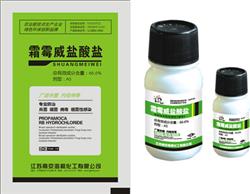
Correct application methods for the low-hazard fungicide propamocarb
How is the low-hazard fungicide propamocarb applied? Please provide an introduction to the application methods. Reference application methods for the low-hazard fungicide propamocarb are as follows: 1. To control damping-off and rhizoctonia rot in cucurbit seedlings, use a 500-fold propamocarb solution, spraying at a rate of 0.75 kg of solution per sq m, spraying 1 to 2 times over the entire seedling-raising period...
-
How to use abamectin for the best results? A detailed guide to the correct application method
How can abamectin be used for the best results? What is the insecticidal mechanism of abamectin? Generally, how much pesticide is enough for which pests? Please give an introduction. Insecticidal mechanism of abamectin: It has stomach poison and contact action against mites and insects, but cannot kill eggs. Abamectin sprayed on the leaf surface decomposes and dissipates quickly, but the active ingredient that penetrates...
-
How is quizalofop-p-ethyl herbicide used? A detailed guide to its application methods
What is the herbicidal mechanism of quizalofop-p-ethyl herbicide? How is quizalofop-p-ethyl herbicide used? We ask knowledgeable readers to help explain. On today's agricultural input market, quizalofop-p-ethyl emulsifiable concentrate herbicides at 5%, 8%, 8.8%, 10%, 10.8% and 15% are commonly seen, but many readers do not understand the herbicidal mechanism and scope of application of quizalofop-p-ethyl herbicide...
-
Thifensulfuron-methyl: A Detailed Guide to Its Effects and Application Methods
What are the effects of thifensulfuron-methyl? How is it used? We ask knowledgeable readers to help explain. On the market, thifensulfuron-methyl wettable powder herbicides at 10%, 15%, 20%, 25% and 75%, as well as a 75% thifensulfuron-methyl aqueous solution herbicide, are commonly seen. Many readers are still not very familiar with thifensulfuron-methyl herbicide...
条件筛选