-

Which flowers did the ancients love that also have an antique charm?
Growing flowers and plants is not just about decorating the home environment; it also subtly shapes a person's character. Don't think that growing flowers only became popular in modern times. In fact, in ancient times, whether they were royals and nobles or ordinary farmers and commoners, everyone liked to plant all kinds of flowers and plants in their courtyards. Today let's take a look at several plants that the ancients all loved.
-

What are the flower meanings and symbolic significance of orchids?
The ancients often used "orchid heart and thoroughwort nature" to describe a person's virtuous and elegant temperament. The I Ching also says that words of one heart are as fragrant as orchids. Among friends, sworn brotherhood is called "sworn bond of golden orchids." Qu Yuan used orchids as a metaphor for a gentleman in his poetry, so later generations also understood orchids as a symbol of a gentleman's noble
-
How do you grow potted sweet flag (Acorus calamus)? All the growing methods are right here
The ancient Zhang Tingjiao said that sweet flag has the spirit of mountain forests, not the spirit of wealth and nobility. It has a clean form, not a filthy form; its pure energy rises beyond the dust of the world, its spiritual essence dwells among water and stone. This is a quiet thing, this is a long-lived thing; those who cultivate it treasure it. Below, the editor will share how to grow potted sweet flag. 1,
-

The beauty of traditional dry stone masonry, passed down from the ancients to the present
The beauty passed down from the ancients to the present - traditional dry stone masonry
-

This wildflower was used by the ancients to name a dynasty, elegant and perfect for gifting
Broom, also known as: purple broom, is a creeping herb in the Fabaceae family, genus Parochetus, 10-20 cm tall, sparsely covered with soft hairs. The rhizome is thread-like, rooting at the nodes, with root nodules. The petal tips are slightly pointed, splitting into two parts at the sides, shaped like a flying sparrow, golden yellow in color, hence the name "broom"...
-

What flowers did the ancients love to grow? Recommended antique-style flowers to cultivate from July to December
Growing flowers as a way to cultivate the mind and character was popular not only among today's many flower lovers, but also in ancient times. Tao Yuanming was known for his singular love of chrysanthemums, Yang Wanli loved lotus flowers, Lu You loved plum blossoms, and so on
-
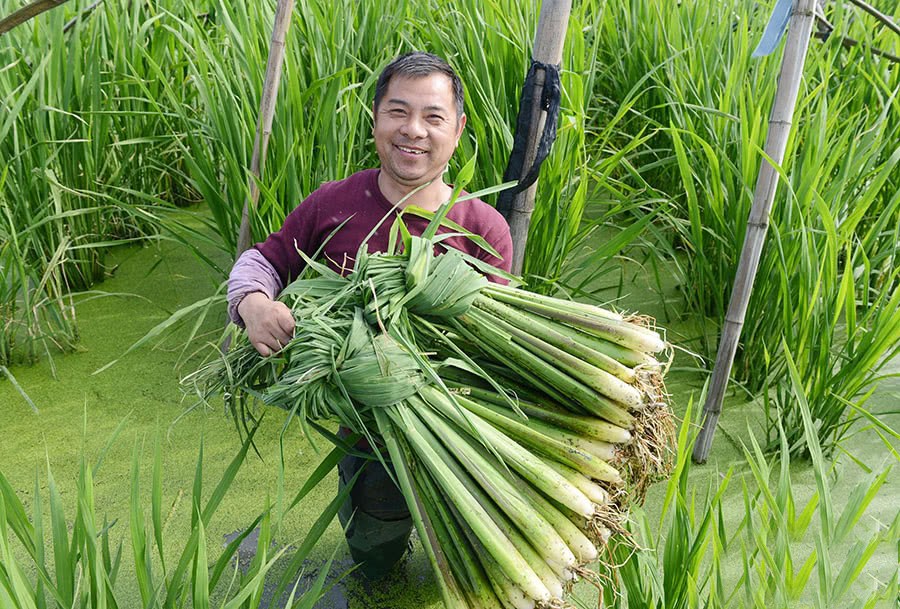
China's unique aquatic vegetable was once considered a pest by the ancients, now exported at a hundred yuan per jin
When it comes to Chinese cuisine, there is truly enough to talk about for three days and three nights, but due to differences in regional food culture, some things that people in China do not like to eat may be what foreigners love most. Chinese and foreign...
-
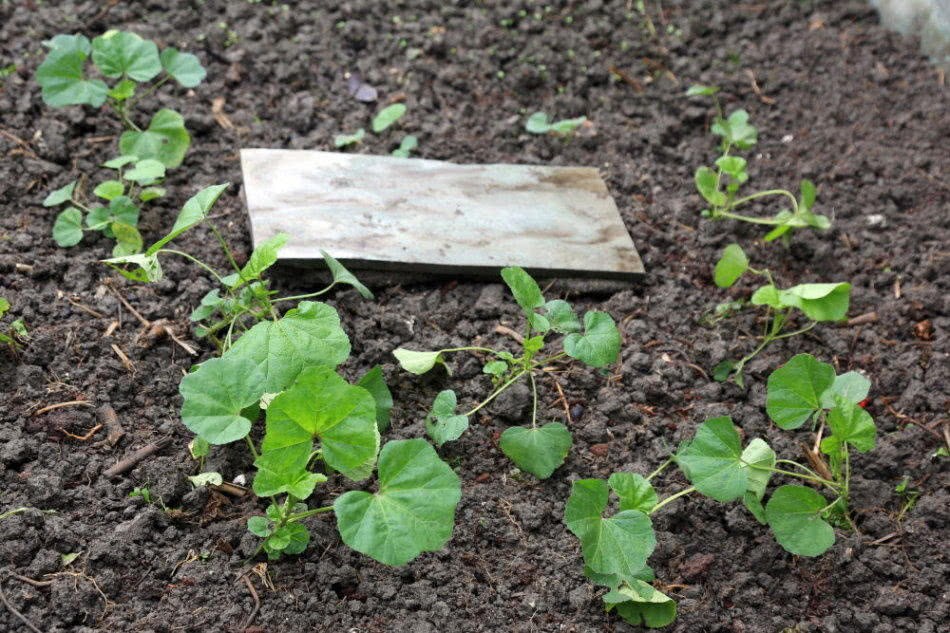
It cooks up looking like snot, yet the ancients called it the vegetable of the spleen; it nourishes the spleen and clears toxins, and it makes a superb pickle
In our country's traditional culture, there is the concept of "health preservation." Simply put, health preservation means maintaining the body and extending lifespan through dietary supplements or exercise. But many people are usually quite busy, or some are rather lazy...
-
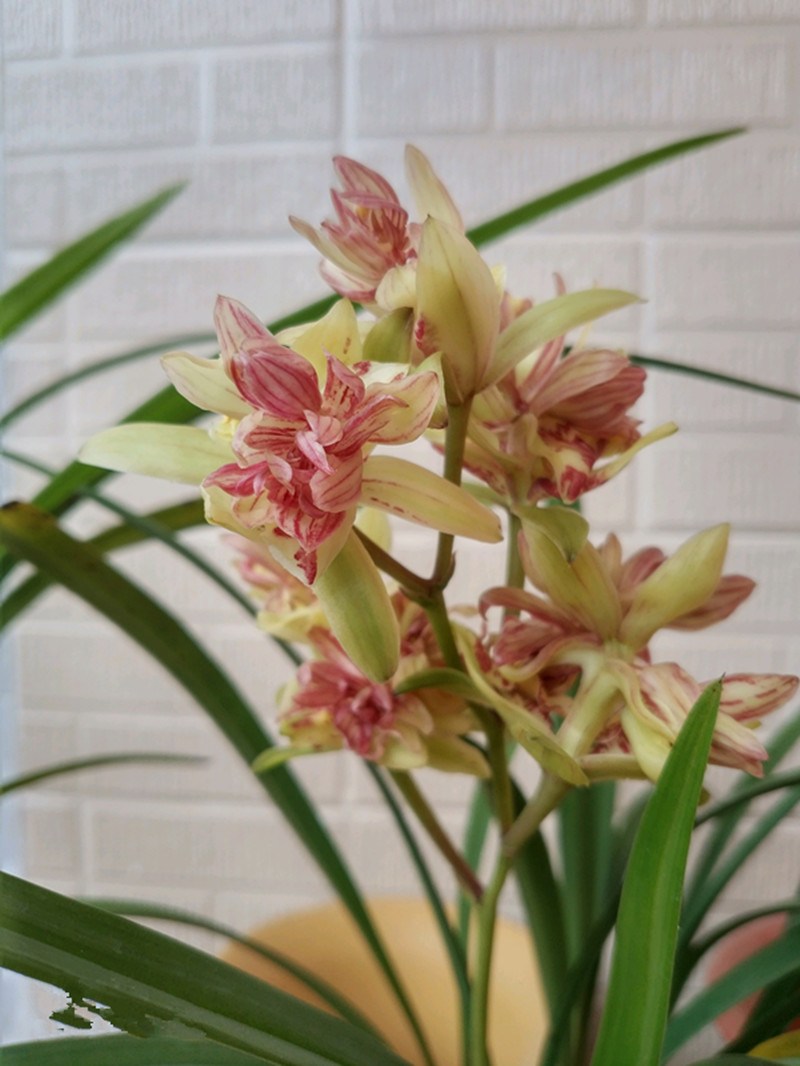
Remember the ancients' 12-character mnemonic for fertilizing orchids, and get one detail right to stay far away from fertilizer burn
There are quite a few orchid lovers out there, and many people have a few hungry, waiting-to-be-fed orchids sitting at home, yet have no idea where to start. When it comes to growing orchids, this little gardener has always advocated learning from the ancients, standing on the shoulders of those who came before, and drawing on the care experience of our predecessors...
-
In the Han Dynasty, killing a cow was punishable by beheading. Why did the ancients place such importance on cattle?
The Chinese seem to have an innate fondness for cattle. Although they never reached the deified status of the zebu in India, the image of cattle in Chinese culture has always been positive: diligent, enduring, friendly...
条件筛选