-

How do you grow potted sweet flag (Acorus calamus)? All the growing methods are right here
The ancient Zhang Tingjiao said that sweet flag has the spirit of mountain forests, not the spirit of wealth and nobility. It has a clean form, not a filthy form; its pure energy rises beyond the dust of the world, its spiritual essence dwells among water and stone. This is a quiet thing, this is a long-lived thing; those who cultivate it treasure it. Below, the editor will share how to grow potted sweet flag. 1,
-
What are the flower meanings and symbolic significance of orchids?
The ancients often used "orchid heart and thoroughwort nature" to describe a person's virtuous and elegant temperament. The I Ching also says that words of one heart are as fragrant as orchids. Among friends, sworn brotherhood is called "sworn bond of golden orchids." Qu Yuan used orchids as a metaphor for a gentleman in his poetry, so later generations also understood orchids as a symbol of a gentleman's noble
-
How to grow orchids? Orchid-growing tips passed down from the ancients
The "Twelve-Month Tips" are spoken according to the lunar calendar, and are recorded as follows: In the first month, place them in the east, facing the sunlight opposite Li Ming; morning and evening sun exposure need not be managed, just keep the green color from changing from its usual state. In the second month, cultivation is actually difficult, you must guard against the leaves developing partridge spots; insert bamboo around them to prevent wind breakage, cherish the leaves as you would cherish a jade ring. In the third month, new shoots emerge from the old clump, remember the flowerpot must face away from the west wind; beware of damp places breeding lice, and the roots still dislike strong manure.
-
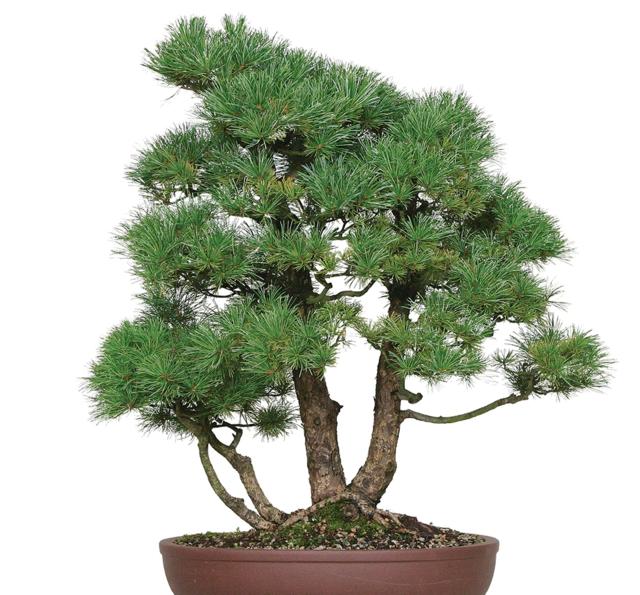
Pine bonsai was praised by the ancients as the foremost of all trees, enduring through a thousand years with noble integrity.
The pine is the foremost of all trees. With many joints and long life, bark as rough as dragon scales, leaves as fine as horse mane, it does not wither in frost and snow, nor perish through a thousand years; its noble integrity is worthy of praise. ...
-
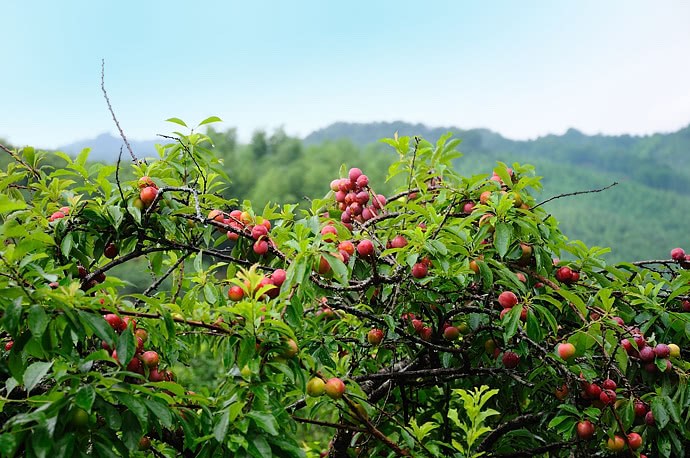
This red-skinned, red-fleshed fruit was called the "fruit of the liver" by the ancients; it would be a shame to miss it in May
May is almost over, and all kinds of seasonal fruits are coming onto the market one after another. You must have eaten quite a few fruits by now. Peaches, plums, cherries, apricots and other fruits are not only early to market, but eating them in moderation is very good for your health. Today let's talk about a kind of...
-
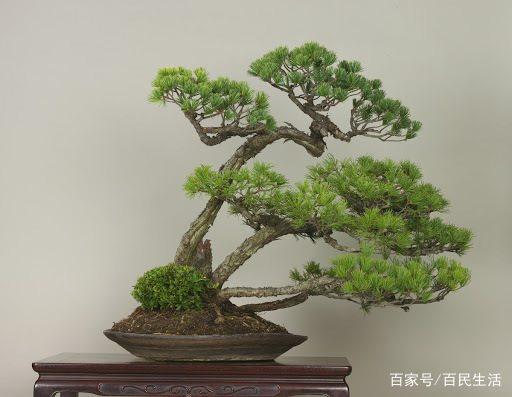
Pine and cypress bonsai appreciation: The ancients said, how could they not suffer the bitter cold? Pine and cypress have their inherent nature.
Many branches grow at a slant, staggered in height with a pleasing arrangement, harmonious in density and sparseness; viewed as a whole, the beauty is excellent. ...
-
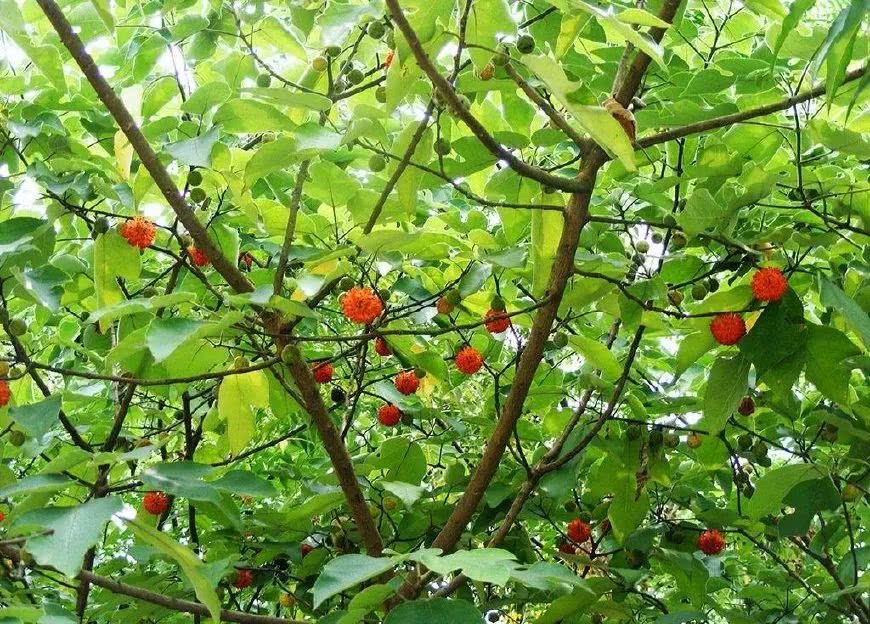
This wild fruit looks like a bayberry and was called "the fruit of the kidney" by the ancients, yet it rots on the tree and no one dares to eat it
Warm reminder: Hemu Report aims to share and popularize information about various plants and their uses, for reference only. If medicinal use is needed, it is recommended to consult a professional doctor to avoid problems! Children who grew up in rural areas have more or less eaten some wild fruits, relatively...
-
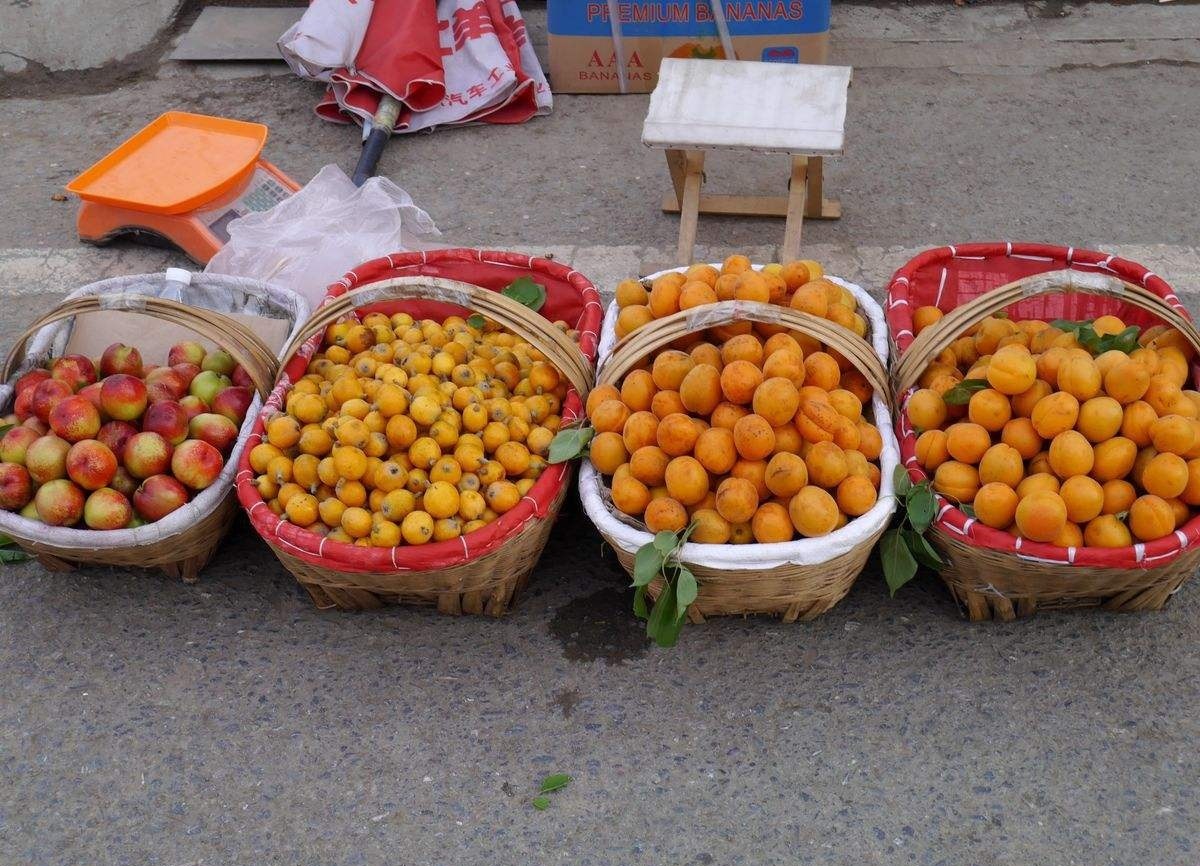
These fruits are in peak season right now and were listed among the Five Fruits by the ancients; it would be a shame not to eat them
In ancient China, there was already a concept of health preservation, and many ancient medical texts recorded the ways of nourishing life. The most famous of these is the Huangdi Neijing (Yellow Emperor's Inner Canon), which not only records many prescriptions for curing diseases and saving lives, but also records some basic health-preserving...
-
In the Han Dynasty, killing a cow was punishable by beheading. Why did the ancients place such importance on cattle?
The Chinese seem to have an innate fondness for cattle. Although they never reached the deified status of the zebu in India, the image of cattle in Chinese culture has always been positive: diligent, enduring, friendly...
-
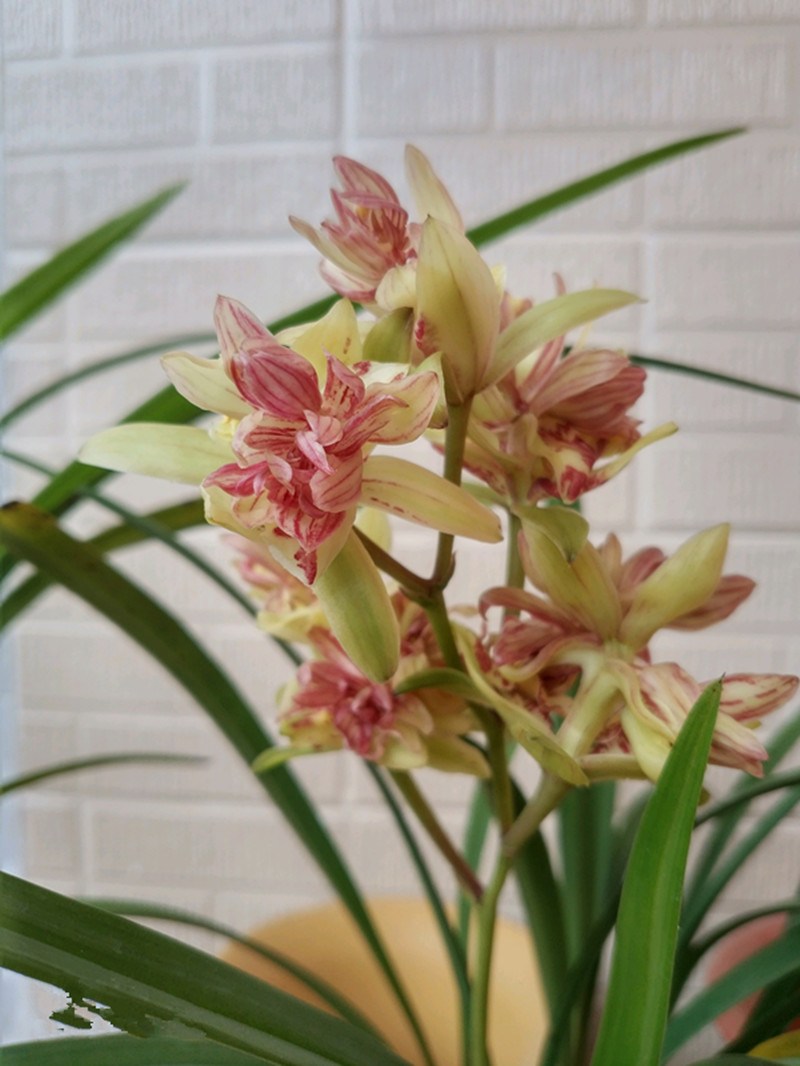
Remember the ancients' 12-character mnemonic for fertilizing orchids, and get one detail right to stay far away from fertilizer burn
There are quite a few orchid lovers out there, and many people have a few hungry, waiting-to-be-fed orchids sitting at home, yet have no idea where to start. When it comes to growing orchids, this little gardener has always advocated learning from the ancients, standing on the shoulders of those who came before, and drawing on the care experience of our predecessors...
条件筛选