It cooks up looking like snot, yet the ancients called it the vegetable of the spleen; it nourishes the spleen and clears toxins, and it makes a superb pickle
In our country's traditional culture, there is the concept of "health preservation." Simply put, health preservation means maintaining the body and extending lifespan through dietary supplements or exercise. But many people are usually quite busy, or some are rather lazy and fail to keep up with physical exercise, so they can only work on their diet and get their body healthy through dietary supplements. Chinese culture is broad and profound. In the past, the ancients emphasized using food to nourish the body's "five organs," namely the "heart, liver, spleen, lungs, and kidneys." What we are talking about today is the spleen-nourishing vegetable that the ancients highly praised. See if you have eaten it?
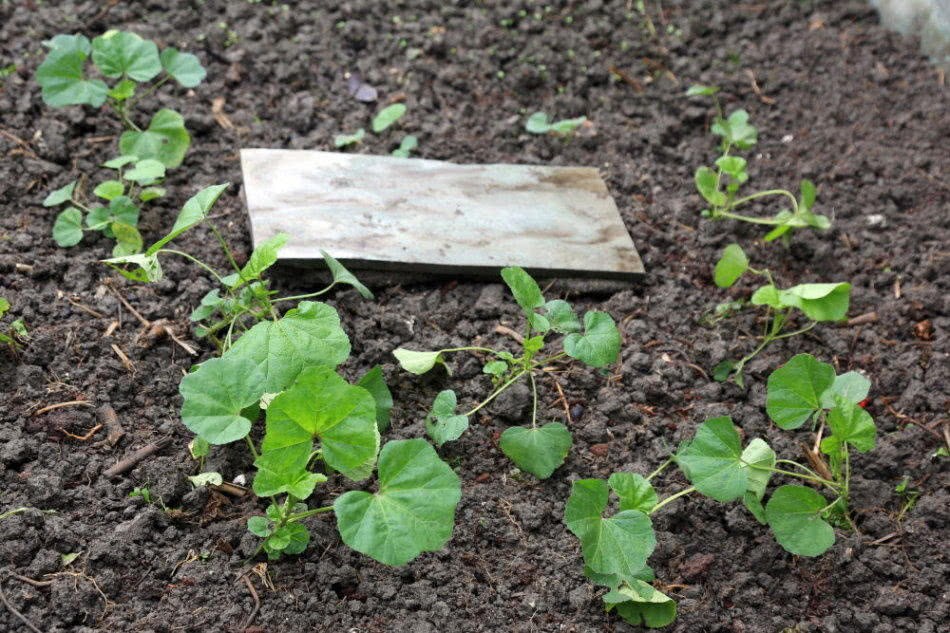
In ancient China there were the "five vegetables," namely:mallows sweet, chives sour, bean leaves salty, Chinese onion bitter, scallions pungent. Among them, "mallow" corresponds to the human body's spleen, because the spleen favors sweetness, and mallow is a sweet vegetable. Speaking of mallow, some people probably think it is the sunflower, but it actually is not! Mallow is what is called today "slippery vegetable," also known as water chestnut vegetable or winter cold vegetable, mainly distributed in the southern regions of our country. The leaves of the slippery vegetable are very broad and look rather rough, but after cooking they become slippery and smooth. Some people who do not like it think it looks like clear snot after cooking and find it disgusting to look at, so they do not like to eat it. In fact, its nutrition is very rich.
In ancient China, the slippery vegetable was listed as a top-grade vegetable, used both as medicine and food, and it was also called the "master of a hundred vegetables." Daily life was inseparable from it. This is described in quite a few ancient poems,"Lush and green are the mallows in the garden, awaiting the sun to dry the morning dew", many people have learned this in textbooks, right! What is spoken of here is the mallow vegetable, which is today's slippery vegetable. The slippery vegetable is sweet in taste and cold in nature, with the effects of clearing heat and relieving summer heat, nourishing the spleen and clearing toxins, and lubricating the intestines to relieve constipation. It has a very good effect on conditions such as heat toxin and internal heat, lung-heat cough, and difficulty in urination and defecation. People who often stay up late can eat more slippery vegetable, which is beneficial to health.
The scorching dog days of summer have begun, and the slippery vegetable is about to come on the market. It is very easy to grow; planting a few plants can grow a large patch, making it a worry-free vegetable for farmers. Because its yield is very high, during the Ming Dynasty people would make the mallow vegetable of summer and autumn into pickles, keeping them to eat during the lean season when the old crop is gone and the new one has not yet come in. The method of making the slippery vegetable into pickles is similar to the steps for making preserved mustard greens. After pickling, it has a special flavor, and using it to go with porridge or rice is absolutely superb.
Dear readers, has your family ever grown the slippery vegetable? Is there anyone who has not eaten this "vegetable of the spleen"?