-
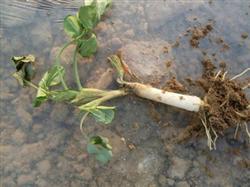
How to prevent and control peanut stem rot? A comprehensive analysis of practical methods
How to prevent and control peanut stem rot? Please explain. Peanut stem rot, commonly known as "rotten neck disease", generally occurs in the middle and late stages. After infection, the plant quickly withers and dies; in the late stage, infected plants' pods often rot or the kernels fail to fill, causing serious losses. The incidence rate in ordinary fields is 20%-30%, and in severe cases reaches 60%-70%, or even results in no harvest at all....
-
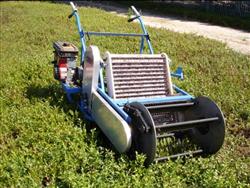
How Effective Is Mechanical Blueberry Harvesting? An Analysis of Its Practical Application Performance
How effective is mechanical blueberry harvesting? Please note that due to the lack of labor resources, mechanical harvesting is receiving increasing attention in blueberry production. The main principle of mechanical harvesting is shaking the fruit off the bush. A large mechanical harvester that includes a vibrator, fruit receiver and conveyor belt device can harvest more than 0.5 ha per hour...
-
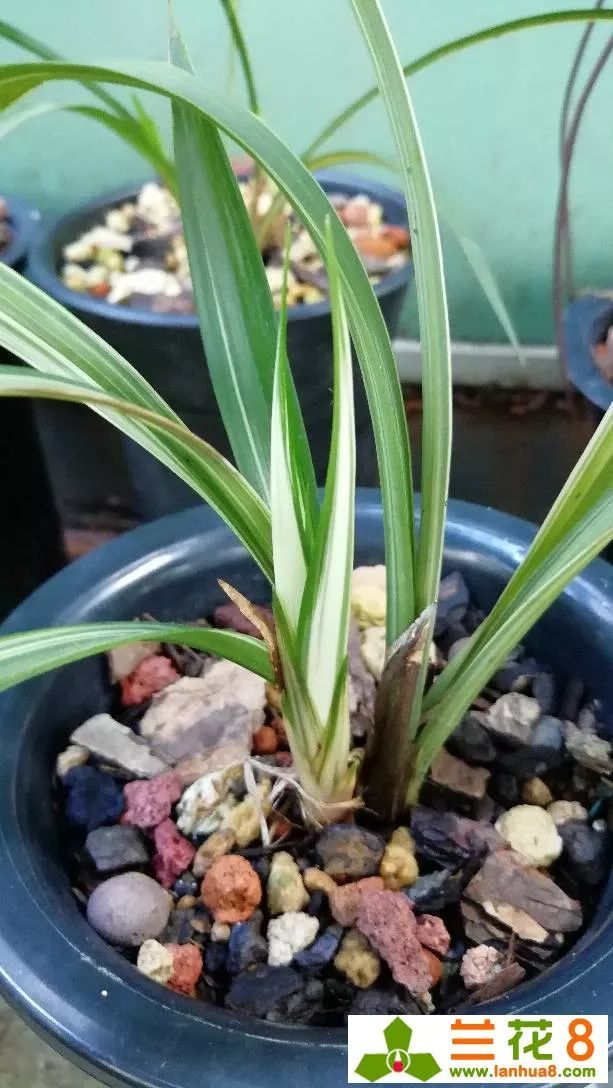
Analysis of the process by which variegated Cymbidium sinense evolves into center-variegated foliage
Promoting Chinese orchid culture and spreading orchid knowledge. A line-variegated Cymbidium sinense gifted by Guangzhou orchid friend Yicheng Orchid Garden has been grown for over half a year and has evolved center-variegated foliage. Thanks to the orchid friend for gifting Jinxiu Zhonghua and Hongyun Dangtou. The old seedling's leaves were scorched by the sun, but the new shoots are still growing very...
-
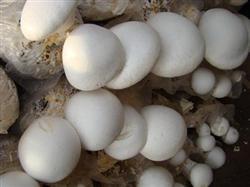
Analysis of Six Major Characteristics of Pest and Disease Occurrence in King Oyster Mushroom (Pleurotus eryngii var. nebrodensis)
1. The culture substrate carries multiple sources of pests and diseases. The hosts of the vast majority of pathogenic bacteria and harmful insects are organic matter. For example, rice straw, cottonseed hulls, and poultry and livestock manure themselves carry large amounts of fungal spores, mycelia, mites, and eggs of mosquitoes and flies. Before use, the culture substrate needs to be sterilized or fermented to eliminate or reduce...
-
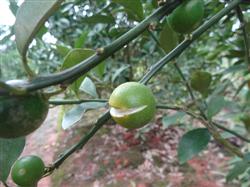
What to Do About Citrus Fruit Cracking? Cause Analysis and Prevention Methods
What to do about citrus fruit cracking? Here is an introduction. Citrus fruits are highly prone to cracking from July to September, before they ripen and are harvested. The main reason is that as the fruit develops and swells, gradually entering the ripening stage, the rind stops growing or thickens, while the juice sacs inside the fruit rapidly elongate and expand, pressing against the outer rind and causing it to thin rapidly. If the ripening period continues...
-
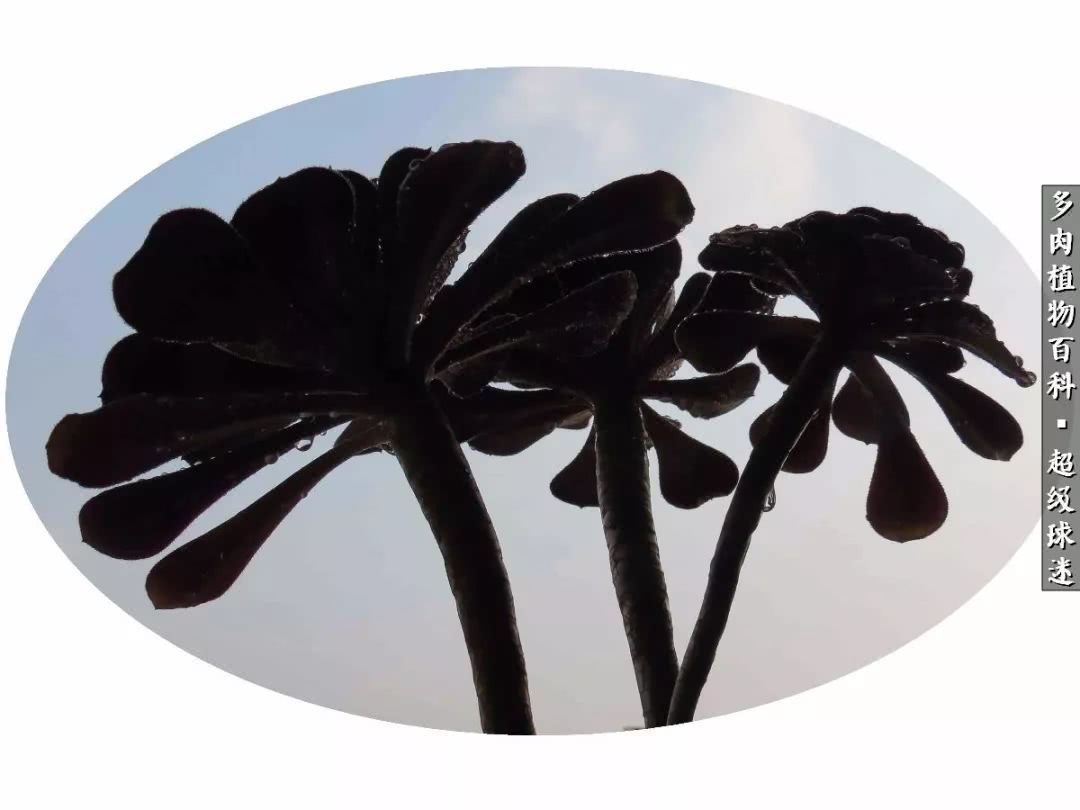
An Analysis of the Problems of Phytotoxicity, Pesticide Resistance and Pollution from Pesticide Use on Succulents
Foreword: Follow the Encyclopedia · Meet Beauty (WeChat ID: duoroubaike) The main text begins: Thanks to the author [Super Fan] for the original submission and sharing. Submission date: 2018-06-28. Edited and compiled by: Encyclopedia Jun. Location: Weifang City, Shandong Province. My humble...
-
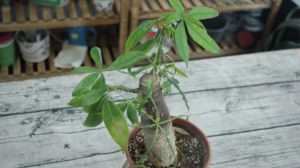
Money Tree vs Fortune Tree: Which Is Better? A Comparative Analysis of Their Differences
In terms of cultivation, the Money Tree (Pachira aquatica) is easier to grow than the Fortune Tree (Schefflera actinophylla). The former has no major issues as long as it is fertilized at the right times, while the latter requires careful water control, so the former is recommended. In terms of symbolism, if you are a merchant, growing the Money Tree is recommended, while if you are a developer or work in financing, growing the Fortune Tree is recommended.
-
A Comprehensive Analysis of the Key Points of Gastrodia elata Cultivation Techniques
Summer and autumn are the seasons when Gastrodia elata enters vigorous growth and maturity, and they are also the critical period for Gastrodia elata production management. If it is left unattended or managed improperly, the yield and quality of Gastrodia elata will be seriously affected. 1. Drainage ditches for removing moisture. When Gastrodia elata enters the vigorous growth period, it is time to begin checking whether the drainage ditches at the cultivation site have standing water...
-
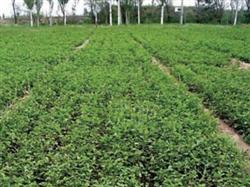
Licorice Market Prospects Analysis and Scientific Planting Techniques
Licorice is a plant of the Fabaceae family, the dried root and rhizome of Glycyrrhiza uralensis, Glycyrrhiza inflata, or Glycyrrhiza glabra, and is a commonly used bulk medicinal material. Wild licorice is mainly distributed in Inner Mongolia, Ningxia, **, Gansu, and other places; cultivated licorice is mainly distributed in the Hexi Corridor of Gansu, the surrounding area of Longxi, and parts of Ningxia. Licorice is a national-level se...
-
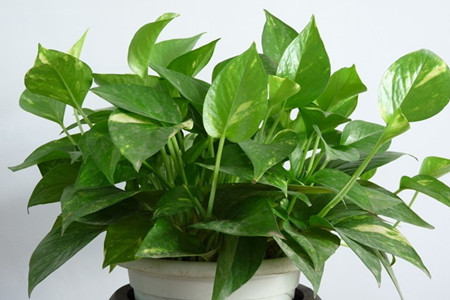
Can Pothos Remove Formaldehyde? Analysis of Indoor Air Purification Effects
Pothos can remove formaldehyde, but the effect is very weak and it cannot be used as the main method of formaldehyde removal. You still need to open windows often; only by keeping the air circulating can formaldehyde be removed. It can absorb harmful gases in the air and can also absorb cooking fumes in the kitchen, making the kitchen and indoor environment fresher.
条件筛选