-
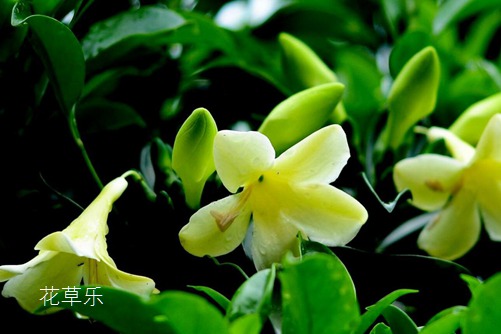
What to do when African jasmine leaves turn yellow? Learn the following tricks and you'll never have to worry again
African jasmine (Chinese violet jasmine, Clerodendrum chinense) is a plant that many people love, dense and emerald green, giving a feeling of vibrant life, very fresh, and a very good ornamental plant. Nowadays many people grow African jasmine at home, but improper care during the growing process can cause symptoms such as yellowing leaves, so what should you do when African jasmine leaves turn yellow
-
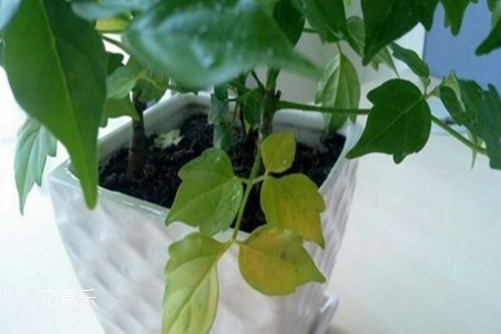
What to do when the leaves of a Radermachera sinica turn yellow? Learn this one trick and it will be lush and green again in no time
Most flower growers like plants that have a flowering season and blaze with brilliant colors, but I alone prefer those lush, emerald-green foliage plants, and Radermachera sinica is one of them. Radermachera sinica is a green plant very well suited to indoor growing, and it can grow from very small to very large and very tall, and Radermachera sinica can even produce pretty little flowers
-
When growing vegetables in rural areas, watch out - this kind of scam is hard to guard against
I didn't sleep in the middle of the night last night, I kept counseling a student. Fu Jian is my student, and also a vegetable grower. The young man is in his twenties or thirties, a graduate of an agricultural university...
-
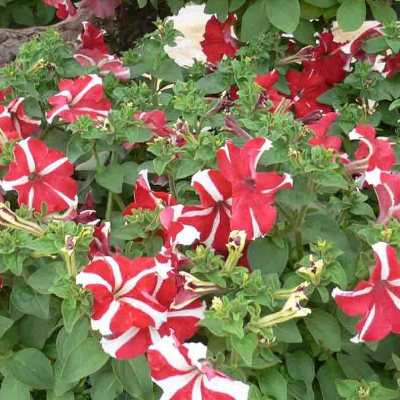
How do you grow petunias so they bloom profusely and fill the pot, and will they bloom again the second year?
Petunias, these are something many people absolutely love, and when petunias bloom they really are so beautiful, just like trumpets. How do you grow petunias so they bloom profusely? Will petunias bloom again the second year: How to grow petunias so they bloom profusely: Secret one: Sow in autumn. Sow in early autumn or buy seedlings in mid-autumn
-
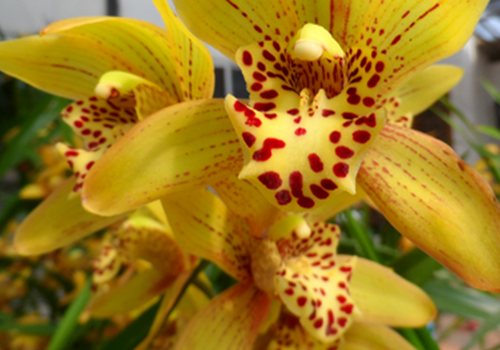
What to do about root rot in Cymbidium orchids? Care for them this way to get them to bloom again
Cymbidium orchids, many people have surely seen them, and they are very beautiful when in bloom. How do you get a Cymbidium orchid to bloom again? What should you do about root rot? How to get a Cymbidium orchid to bloom again: make sure it gets plenty of light. Cymbidium orchids are plants that quite like sunlight, but during the high temperatures of summer you should still shade them appropriately to keep the leaves from getting scorched.
-

How to defend tea plants against heat damage? A detailed explanation of practical technical measures
Tea plant heat damage refers to the meteorological disaster that, under long-term high-temperature and dry climate conditions, causes tea yield reduction, stunted tea plant growth, or plant death. The tea plant originated in the subtropics and is a perennial evergreen plant, with the habit of preferring warmth and humidity, tolerating shade, and fearing drought. When there is prolonged high temperature and severe drought, scorching sun, low rainfall, and relative air humidity below 50%, leaf transpiration intensifies, and the water absorbed by the root system cannot compensate for the consumption of the aboveground parts, thus causing the tea plant to wither, drop leaves, and even die. To prevent tea plant heat damage, in addition to selecting heat-resistant tea
-
Three Major Types of Phytotoxicity to Guard Against in Cotton Cultivation
Diagnosis and identification of phytotoxicity from insecticides and fungicides. The severity of phytotoxicity from insecticides and fungicides depends not only on the cotton variety, growth stage and morphological characteristics, but also on the type of pesticide, as the symptoms of damage differ for each. For example, dichlorvos has an extremely strong vaporizing effect; spraying twice with a 1000-fold solution can scorch cotton leaves dry. After phytotoxicity from lime sulfur mixture, the leaves and boll husks of the cotton plant develop scorched patches, and the leaves soon dry up and drop off. Lime sulfur mixture is a strongly alkaline pesticide; Bordeaux mixture can only be used 7 to 10 days after its application. If lime sulfur mixture is sprayed within 1 to 2 months after spraying Bordeaux mixture, the cotton leaves will develop black copper sulfide deposits, causing phytotoxicity. In short, when using insecticides and fungicides on cotton, a certain interval should be maintained between successive applications of several pesticides (especially inorganic pesticides), to prevent phytotoxicity caused by reactions between pesticides with different modes of action. In addition, the severity of cotton phytotoxicity is also affected by the environment; for example, when pesticides are sprayed under high temperature, the large amount of water evaporation caused by the heat increases the pesticide concentration, causing spots, yellowing and curling of cotton leaves, and even scorching and death.
-
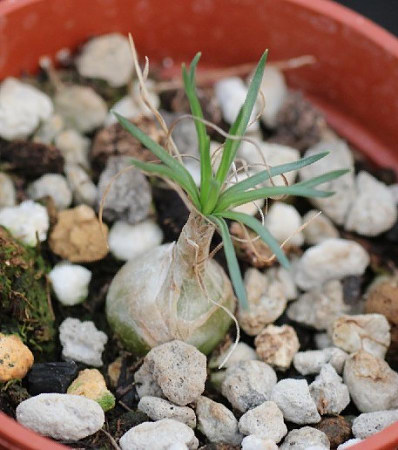
Want bulb flowers to bloom again? First, the key is nurturing the bulb
The flower bud formation of most bulbous flowers is stimulated by temperature differences. Most regions of our country have a climate with four distinct seasons, so without any stimulation, bulbous flowers can bloom again. That is to say, as long as you nurture the bulb well, reblooming is only a matter of time, and many kinds of bulbous flowers can bloom again. So it comes down to one point: you must nurture the bulb well.
-

What month does the violet bloom? It opens from April to May, and with proper care it can bloom again
We know the violet's flower language is eternal love, and many people love violets because of their distinctive flowers, so when exactly do violets bloom? Today we will learn about the violet's flowering period, and what to do after the violet's flowering period ends
-
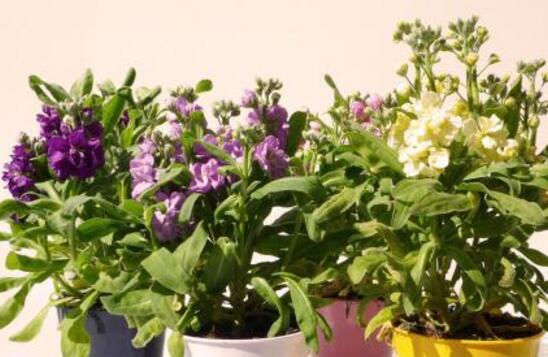
How to prune potted violets? Illustrated pruning methods to help them bloom again
As everyone knows, among the effects and benefits of violets, one of its greatest is the extremely high ornamental value of its flowers, but to maintain overall beauty during the growth process, it also needs to be pruned at the appropriate time. So how do you prune potted violets? Let's take a look at the illustrated violet pruning methods
条件筛选