-

Growing edible mushrooms in autumn requires strict precautions against pests
Autumn-grown edible mushrooms: beware of pests
-
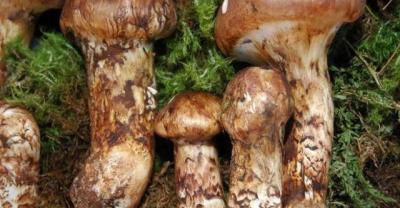
What pitfalls should be guarded against in edible mushroom cultivation in Guizhou?
In the process of cultivating edible mushrooms, after several successes, people often become mentally careless, believing they have mastered edible mushroom cultivation techniques, and may even try...
-
Poisonous mushrooms are highly dangerous; be on guard against picking and eating them in the wild
In forests, in grassy areas, and beside piles of manure and straw, people often see wild mushrooms pushing up through the ground. Because many people do not know the difference between poisonous and non-poisonous mushrooms, they sometimes pick poisonous mushrooms and take them home to eat. Cases of accidentally eating poisonous mushrooms occur from time to time, and there have even been deaths. For this reason, the relevant authorities remind the public not to blindly pick and eat wild mushrooms, so as to ensure food safety. Recently it has also been found that some farmers' markets are selling poisonous mushrooms. Wild mushrooms that you do not recognize and have never eaten must absolutely not be easily bought and eaten.
-
Causes of and Preventive Measures against Contaminant Infection in Northern Nameko Mushroom Cultivation
As the production volume of northern nameko mushrooms increases year by year, diseases have become severe, causing reduced yields in mild cases and total crop failure in severe cases. In fact, diseases of edible fungi are not incurable; as long as we understand their occurrence and development patterns and find effective control methods, the problem can be solved. Through years of cultivation practice, the author has identified the patterns of contaminant infection. The causes and preventive methods are presented below: 1. Late inoculation - starting inoculation only in April is too late, as the weather has already turned warm and is prone to contaminant infection. Inoculating in February-March is best, because edible fungus mycelium begins to germinate and grow at above 5°C, while molds only proliferate in large numbers above 15°C. Therefore, early inoculation should be arranged with low-temperature mycelium incubation to pass through the mold infection stage.
-
Be on strict guard against physiological diseases in edible mushroom cultivation
Wild mushroom: caused by high nitrogen, high moisture and high temperature in the substrate. Control methods: reduce the nitrogen content of the substrate and raise the pH value of the substrate to 8-9. Green mold: caused by a too low pH value, poor ventilation of the substrate bags, and excessive bag temperature leading to a stuffy stack. Control methods: raise the pH value to 8-9, strengthen microporous aeration to promote mycelial growth, and prevent stuffy stacks from high humidity. Dead mushrooms: shortly after pinning, large numbers of small mushroom pins sometimes shrink, turn yellow and even die. This is mainly because the temperature of the substrate bags in the mushroom stack is too high and the heat from mycelial metabolism cannot
条件筛选