-

How 5 Trace Elements Affect Egg Quality
Egg quality includes external qualities such as egg weight, eggshell quality, eggshell color, and egg shape index, as well as internal qualities such as albumen height, yolk color, yolk membrane strength, chemical composition, functional properties, blood spots and meat spots, and flavor. The egg qualities of greatest concern to producers and consumers are egg weight, eggshell quality, yolk color, and functional properties. 1. Effects of zinc and manganese on egg quality. There are few reports on studies of zinc used alone in laying hen feeding. Research by Wedekind (1990, 1992) showed that amino acid
-
How Fish Bone Structure Affects Boneless Fillet Processing Technology
Different fish species have different fish bone structures, which directly affect the thawing, deboning, and filleting processes in boneless fillet processing. This article classifies various fish in actual production according to fish bone structure, and discusses the optimal deboning, filleting, and thawing processes for each type of fish, providing reference for actual production. I. Classification of Fish Bone Structure 1. Vertebral spine type (1) Fish with longitudinal fish bones connected to the spine: This type accounts for the majority, and currently common ones in aquatic product production and processing include redfish, flounder, red drum, tilapia
-
High temperatures trigger heat stress in pigs, affecting their physical health
The high-temperature environment from June to September each year disrupts pigs' sex hormone secretion, throwing their normal estrus mechanism out of order, so that estrus symptoms become inconspicuous or the animals do not come into heat at all; high temperatures make pigs devote most of their energy to resisting heat stress, correspondingly weakening their other bodily functions, and for lactating sows and fattening pigs that need to eat large amounts of feed, this leads to insufficient nutrition and the phenomena of low milk output and slow growth; high temperatures make heat dissipation from the boar's testicles difficult, intensify sperm metabolism and shorten sperm lifespan, so that the motility of ejaculated sperm decreases or the sperm even die; high temperatures also increase the death of newly fertilized eggs and make implantation of the fertilized eggs more difficult, thereby lowering the conception rate of summer breeding.
-
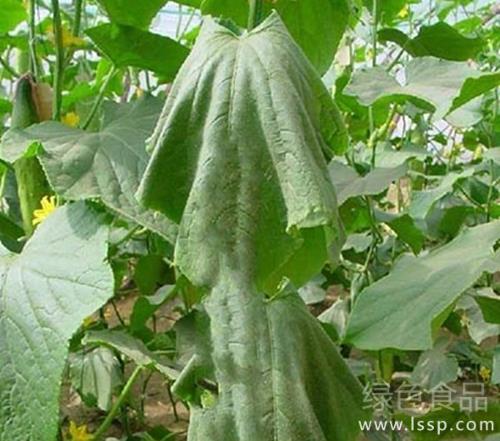
What to do when greenhouse cucumbers wilt and die, affecting yield?
Wilting causing dead plants and affecting yield: greenhouse cucumber wilting methods and countermeasures
-
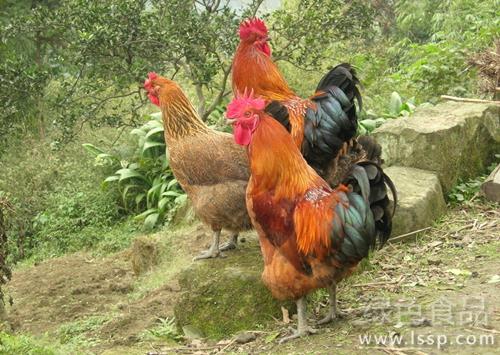
Chicken diseases affect weight gain and egg production, folk remedies to help you
Chicken diseases affect weight gain and egg production, chicken raising requires disease prevention, folk remedies to help you
-
What remedial measures are there after cotton is affected by flooding?
Cotton has the ability to self-regulate and compensate. After a disaster, remedial measures of stress-resistant cultivation should be adopted: rapid drainage, early loosening of the soil, heavy fertilization, delayed topping, and intensive pruning. Rapid drainage: make an all-out effort to lower the water level in the outer three ditches, with emphasis on clearing and deepening the inner three ditches of the cotton field. In areas with low-lying terrain and high inland river water levels, mechanical and electrical drainage must be used on an emergency basis to speed up drainage and lower the groundwater level of the cotton field. Early loosening of the soil: after flooding, the cotton field soil becomes compacted and has poor permeability. About 7 to 8 days after drainage, the soil should be loosened on an emergency basis to improve soil aeration and warming performance in the cotton field and accelerate the recovery and growth of cotton seedlings.
-
6 common situations that affect fish feeding
In intensive fishery production, the management of feed feeding is one of the main links in the entire production management. During the feed feeding process, the phenomenon of reduced feed intake by fish often occurs. Based on different situations in production, the author describes the reasons for reduced feed intake by farmed fish as follows: The first situation: fish are currently diseased, causing reduced feed intake by fish. For example, when diseases such as crucian carp internal sporidiosis, grass carp three diseases, channel catfish hemorrhage disease, and enteritis occur, the feed intake of fish is significantly reduced. When grass carp fingerlings and crucian carp
-
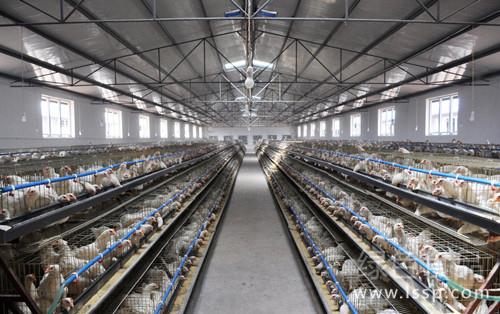
How to treat egg-laying hens with prolapse affecting egg production
How to treat prolapse in laying hens that affects egg production
-
What environmental factors affect the appearance quality of bag-cultivated Ganoderma (reishi)?
Ganoderma, as a medicinal fungus, has its medicinal value and commercial value directly related to the quality of its fruiting bodies. Cultivating fruiting bodies with well-developed caps and good maturity is the ideal goal of medicinal Ganoderma producers. Ganoderma fruiting bodies are quite sensitive to environmental factors such as temperature, humidity, aeration and light. If conditions are unsuitable, deformed mushrooms are very likely to appear. Strictly regulating environmental factors is a necessary measure to improve the finished-product rate and appearance quality of Ganoderma. 1. Temperature factor. Ganoderma fruiting body primordia can form in large numbers at 25-30°C, form less and grow slowly below 22°C, and although they can form above 34°C, they very easily form nodular protrusions after primordium formation and stop developing; Ganoderma caps grow faster at 28-30°C, with sparser concentric rings and lighter surface color, while at 24-26°C the growth period is longer, more active ingredients accumulate, and the texture is harder, so Ganoderma grown at this temperature has better quality. To balance growth time and fruiting body quality, the room temperature during the primordium differentiation and growth stage is best controlled at (28±1)°C, and during the cap growth stage at (26±1)°C. In cultivation practice, the temperature control methods are: (1) arrange the mushroom emergence time appropriately according to local natural temperature conditions; in central and southern Hebei, early June to early September is more suitable; (2) when the temperature is 30°C, appropriate shading, sprinkling well water on the ground combined with ventilation, etc. can lower the room temperature by about 1-3°C; (3) production units with the means can use automatic temperature control equipment, for better results.
-
What are the factors affecting the efficacy of fishery drugs?
1. Dosage and dosage form of the drug. The effect of a drug varies with the dosage, and may even change qualitatively. For example, when the astringent metal drug zinc sulfate is used topically, a low concentration has an astringent effect, a medium concentration has an irritant effect, and a high concentration has a corrosive effect. Different dosage forms of a drug, even when the drug dosage is the same, also differ in the strength, effect and duration of action. 2. Route of administration. The route of administration, time of administration, number of administrations and repeated medication all
条件筛选