-
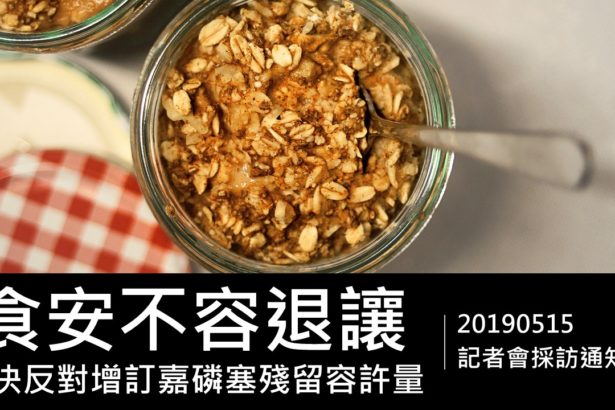
Interview Notice: Food Safety Cannot Be Compromised, Oppose the Addition of Glyphosate Residue Tolerance Levels
[Interview Notice] Food Safety Cannot Be Compromised, Resolutely Oppose the Addition of Glyphosate Residue Tolerance Levels
-

How can we further do a good job of addition and subtraction in increasing farmers' incomes?
To increase farmers' incomes, we must further do a good job of addition and subtraction
-
Why is the grain issue not a simple matter of addition and subtraction?
The grain issue is not a simple matter of addition and subtraction
-
New High-Yield Cultivation Technique for Soybeans: "Four Changes and One Addition"
With the traditional tillage and sowing method for growing soybeans, the rows are narrow and the plants too dense, and combined with various other reasons, yields have long hovered around 100-150 kg. Through years of experimental research, we have worked out a new approach that can increase soybean yields by more than 40%, namely the "Four Changes and One Addition" technique. The usual measures for raising soybean yields, besides selecting new high-quality, high-yield varieties, also include paying attention to crop rotation. According to experiments, after many years of continuous cropping, soybeans show slow growth, short plants, yellowing lower leaves, early leaf drop, and few pods with small seeds. Experiments have also proven that continuous cropping (monocropping) for more than 3 years can reduce yields by 20%-30%, or even more, and 2 years of continuous cropping following a one-year break can reduce yields by more than 30%. Therefore, crop rotation and changing to a different crop are of great significance in soybean production. To achieve high-yield and super-high-yield soybean cultivation, the new "Four Changes and One Addition" cultivation technique should be implemented on this basis. The specific methods of "Four Changes and One Addition" are:
-
How to Grow High-Yield Soybeans? A Detailed Guide to the "Four Changes and One Addition" Cultivation Technique
Traditional drill sowing of soybeans results in narrow rows and overcrowding, and along with various other factors, yields have long hovered around 100-150 kg. Through years of experimental research, we have developed a new approach that can increase soybean yields by more than 40%, namely the "Four Changes and One Addition" technique. The usual measures for increasing soybean yields include, besides selecting new high-quality, high-yield varieties, paying attention to crop rotation. According to experiments, after years of continuous cropping, soybeans show slow growth, short plants, yellowing lower leaves, early leaf drop, and few pods with small seeds. Experiments
-
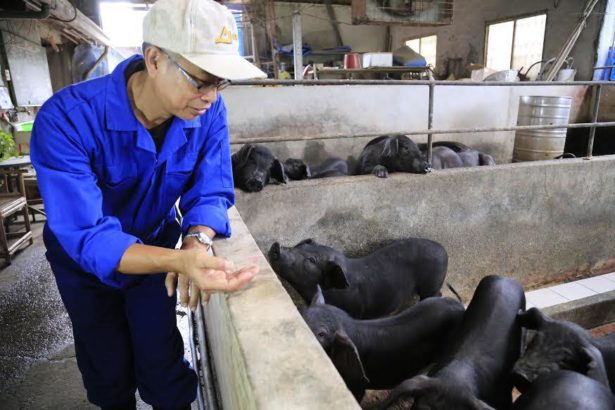
The Battle Over Epidemic Prevention and Food Waste 02"Pig Farmers' Civil War: Feeding Food Waste to Pigs Is High-Risk and Outdated VS Food Waste Can Be Sorted More Carefully in Addition to High-Temperature Boiling
The Battle Over Epidemic Prevention and Food Waste 02"Pig Farmers' Civil War: Feeding Food Waste to Pigs Is High-Risk and Outdated VS Food Waste Can Be Sorted More Carefully in Addition to High-Temperature Boiling
-
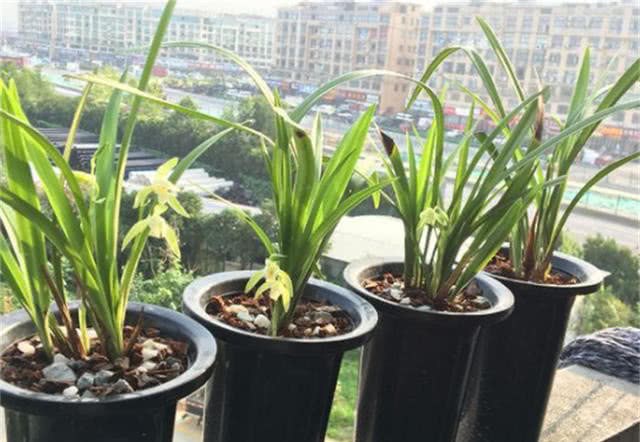
What to Do When Orchid Roots Rot? Solve It Easily with One Straw, One Addition, One Move
Because of their unique temperament, many flower lovers are very fond of orchids and like to grow them at home. However, orchids are rather difficult to grow, and they are especially prone to root rot, as any orchid grower surely knows from experience. What should you do when orchid roots rot...
-
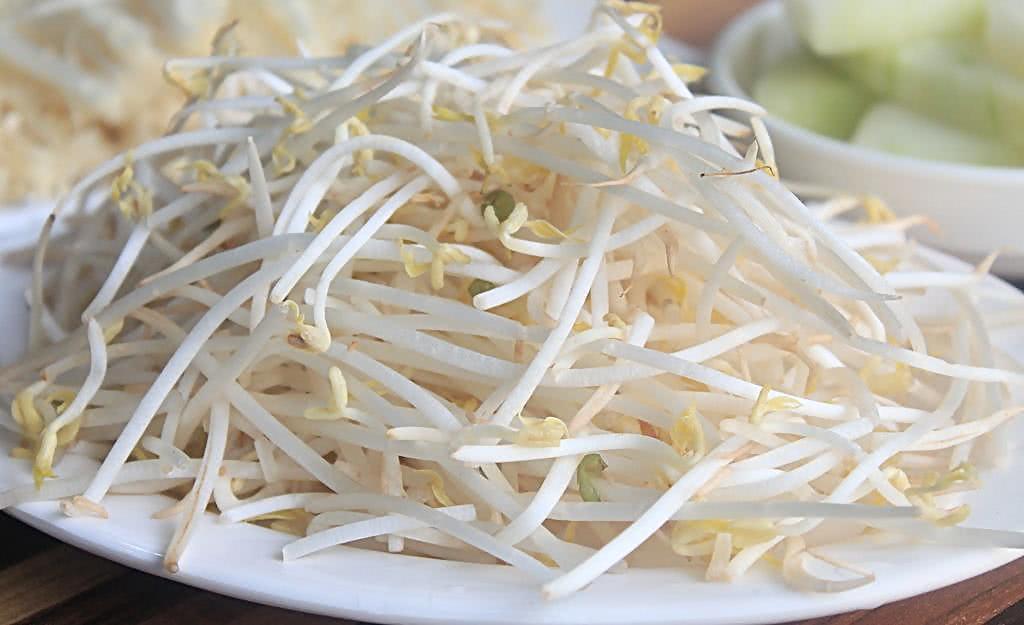
Sprinkle a little water on beans and they grow into bean sprouts in 3 days, a delicious addition to stir-fries
When the weather turns cool, a bowl of hot mixed whole grain porridge can bring comfort to the whole morning. Our bodies cannot do without whole grains, and eating more whole grains is very good for us. The one thing a whole grain porridge cannot do without is beans...
-
Practical methods for raising temperatures and increasing production in aquaculture in winter without additional costs
Aquaculture in winter: a good way to raise temperatures and increase production without additional costs
-
Addition levels and roles of trace elements in freshwater fish farming
Trace elements in freshwater fish: addition levels and roles
条件筛选