-

How to prevent and treat highly pathogenic porcine reproductive and respiratory syndrome (PRRS)? A detailed explanation of the technical key points
This disease is a severe viral disease of pigs that has emerged in recent years, an acute highly lethal epidemic disease caused by a variant strain of porcine reproductive and respiratory syndrome virus. The virus is extremely contagious. In infected pig farms, the morbidity rate of piglets can reach 100%, the mortality rate can reach more than 50%, and the abortion rate of sows can reach more than 30%. It is also characteristic that growing-finishing pigs can develop the disease and die. 1. Pathogen: The pathogen of this disease is porcine reproductive and respiratory syndrome virus, caused by Lelystad virus. 2. Epidemiology
-
Symptoms and Pathological Features of Snake Venom Poisoning in Animals
Snake venom poisoning is an acute toxic disease caused by venomous snake bites in animals, in which the venom enters the body through the wound and causes hemolysis, paralysis of sensory nerve endings and shock as its characteristic features. It can occur in all kinds of animals, and is commonly seen in grazing animals and dogs. 1. Clinical symptoms The sites where animals are bitten by venomous snakes are mostly the lips, nose tip, face and lower parts of the limbs. In horses, cattle and sheep, the bite sites are mostly near the hock joint or fetlock joint, while in pigs and dogs they are mostly on the limbs and nose tip. The closer the bite site is to the central nervous system and to areas rich in blood vessels, the
-
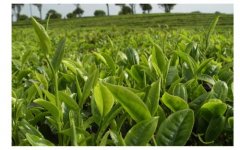
Is Organic Tea Good? Mingjian Organic Tea Industry Will Return to the Path of Glory
Organic tea sales had been falling sharply due to pesticide residues from years ago. Recently, a plant doctor team has lent its support to organic Ruby tea, and the Mingjian tea industry is returning to the path of glory. Is this true? Let's take a look. Mingjian Township is mostly made up of smallholder farms and has always taken pride in its tea, but unfortunately, several years ago an outbreak
-
What kind of bacterium is Streptococcus suis? Understanding the characteristics of this pathogen
Streptococcus suis belongs to the genus Streptococcus. The cells are round or oval, less than 2.0 mm in diameter, generally arranged in chains or in pairs, and stain Gram-positive. The colonies are small, grayish-white and translucent. Most pathogenic strains are capable of hemolysis. Streptococcus suis has 35 serotypes (1-34, 1/2) as well as some untypeable strains. Among them, the four serotypes 1, 2, 7 and 9 are highly pathogenic. Muramidase-released protein (MRP) and extracellular factor (EF) are
-

What varieties of Spatholobus suberectus are there? Detailed introduction to common varieties
What varieties of Spatholobus suberectus are there
-

A Detailed Guide to the Planting Techniques and Methods of Spatholobus suberectus
Planting Techniques for Spatholobus suberectus
-
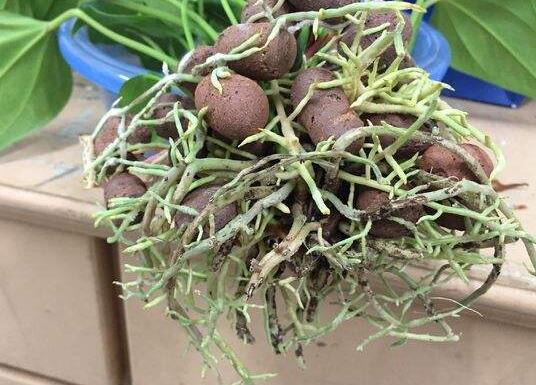
What to Do When Anthurium Roots Rot, Leaves Turn Yellow, and the Spathe Turns Black
The roots of the anthurium are the main part through which it absorbs nutrients and water. Once they rot, the plant's growth will slow down, and if the rot is severe, it may even cause the plant to die. Therefore, when growing it, you must avoid this situation. But what should you do if the anthurium roots rot? Let me tell you the causes and solutions.
-
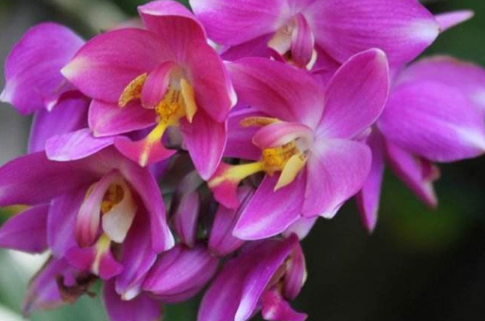
How to Grow and Care for Spathoglottis pubescens: Cultivation Methods and Precautions
1. Light: Spathoglottis pubescens loves shade and generally grows in deep mountains and secluded valleys, so when cultivating it, place it in semi-shade or a spot with short daylight hours, and let it absorb as much scattered light as possible. 2. Soil: Spathoglottis pubescens has fleshy roots and does best in sandy loam rich in humus
-
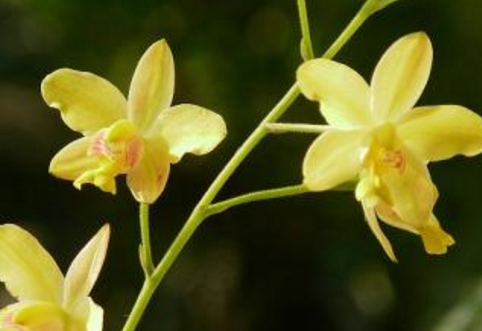
What are the disease prevention and control methods for Spathoglottis pubescens?
1. Coleosporium rust fungus Symptoms: The pathogen usually appears on the leaves, rarely on the stems, producing raised small pustules containing yellow, orange, or rust-colored powdery spores. Although Coleosporium rust fungus does not cause plant death, it hinders plant growth. Prevention and control methods: First, promptly cut off diseased leaves
-
条件筛选