-

Potted Fig Tree Growing Methods, Reasons for Not Fruiting, and Prevention and Control Measures
Besides being planted in fields, figs are also highly suitable for pot cultivation or for planting as low shrubs in courtyards and gardens for ornamental purposes, because their internodes are very short and their tree shape is elegant. A balcony is also a good choice; not only do they grow lush branches and leaves, but they also bear many sweet, large fruits. The flowers of the fig bloom inside the fruit and cannot be seen from the outside.
-

What to do if your Chaenomeles cathayensis (mugua crabapple) does not bear fruit? Learn the care methods to promote flowering and fruiting
How to make Chaenomeles cathayensis bear fruit How to get Chaenomeles cathayensis to bear fruit
-
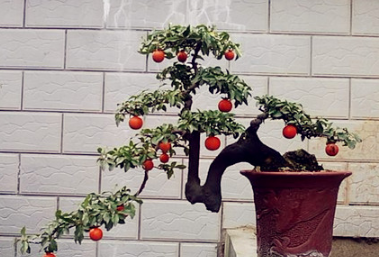
Propagation, Cultivation and Care of Golden Bullet (Diospyros armata) Bonsai, with a Detailed Guide to Rare Fruiting Varieties
The Golden Bullet is a highly auspicious fruiting plant. Especially from New Year's Day to the Spring Festival each year, the fruits of the Golden Bullet turn from green to red among the green leaves, with red and green setting each other off, iron-hard trunks and gnarled branches full of life. So now let's follow the editor's footsteps and get to know the Golden Bullet! Origins and Variety Differences of the Golden Bullet
-
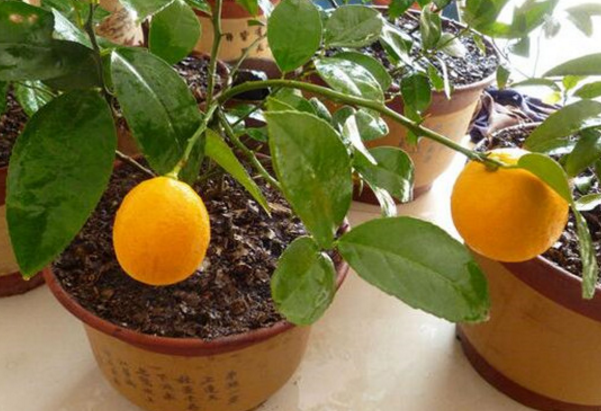
Lemon Tree Cutting Propagation Methods and Reasons It Only Blooms Without Fruiting
Lemons taste quite sour, with juicy flesh and a rich aroma, but they are not really suitable for eating directly. They are generally used as a seasoning, in cooking, as well as in cosmetics, beverages and so on. They are rich in vitamin C, which is good for the body, and they are the nemesis of scurvy. Lemon cutting propagation methods: the fastest and most direct way to propagate lemons is by cuttings.
-
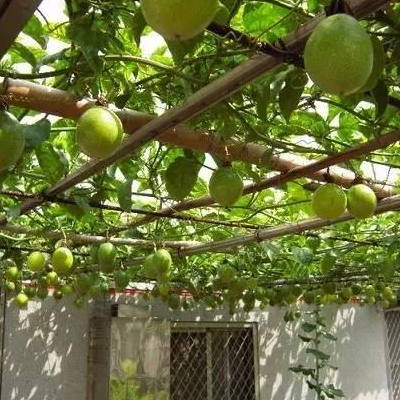
How to Grow Passion Fruit from Seed in a Small Pot and Why It Only Flowers Without Fruiting
Passion fruit is something many people know as a fruit, and fruit also contains seeds. How do you grow passion fruit seeds in a small pot? Why does passion fruit only flower without fruiting: it likes a warm, humid environment, must be planted with good drainage, and needs light but frequent fertilizing.
-
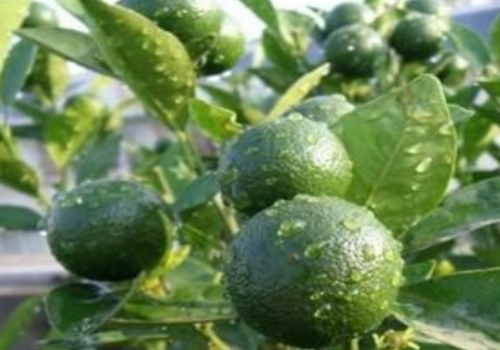
Four-Season Kumquat Planting Methods and Flowering and Fruiting Times
Four-Season Kumquat is a kind of fruit that many people know and are familiar with, so how do you grow this Four-Season Kumquat? How long until it flowers and fruits: How to grow Four-Season Kumquat: Planting methods. The planting of Four-Season Kumquat is very similar to the planting methods of other tree species.
-

Early-spring mushroom fruiting tips: manage it this way for good fruiting
After the Start of Spring, temperatures gradually rise. If you carry out simple yet clever management of mushroom beds that already fruited continuously the previous autumn, you can easily prompt a season of spring mushrooms. The specific methods are as follows: 1. Loosen the compost and replenish the soil. When the temperature rises back to 10°C, loosen the compost and replenish the soil promptly. This not only helps expel waste gases from the compost, but is even more helpful for breaking apart old mycelium, promoting the growth of new mycelium, and forming strong mycelium, laying the foundation for increasing spring mushroom yields. Loosening the compost is divided into deep, medium and light loosening, and should be determined according to the actual condition of the mushroom bed compost.
-
How to manage greenhouse potatoes from planting to fruiting stage
Use 50% pirimicarb or 10% imidacloprid 5 g per (mu) mixed with 40 kg water to control aphids, and also control cotton bollworm; alternately use dt emulsion 400 ml per (mu), or use 2 billion PIB/ml Helicoverpa armigera nucleopolyhedrovirus suspension 50-60 ml per (mu) to control cotton bollworm, and also control tobacco budworm and aphids. Before the onset of Fusarium wilt and in the early stage of the disease, drench the roots with Lvheng No. 1 3000-fold solution, or Lvheng No. 2 600-fold solution or Lvheng No. 8 1500-2000-fold solution, or Qingjiaoan
-
High-Quality, High-Yield Techniques for Bag-Cultivated Oyster Mushrooms: Micro-Pore Spawn Running and Seepage Irrigation for Fruiting
During the spawn-running stage of bag-cultivated oyster mushrooms, problems commonly arise such as inconsistent mycelial growth rates within the bags, an excessively long spawn-running period, a high contamination rate, the mushroom wall being somewhat too tall and prone to toppling during the fruiting stage, and severe water loss from the bags after the second flush making rehydration difficult, all of which seriously affect yield and quality. In recent years, new techniques of micro-pore spawn running and seepage irrigation for fruiting in oyster mushroom cultivation have been successfully developed in production, effectively solving the above problems. Micro-pore spawn running. The selection of the substrate, ingredient mixing, blending and fermentation are the same as conventional methods; the difference is that before bagging, a sewing machine is used to prick three rows of needle holes on the top of the substrate cylinder, serving as micro-pore channels to supply air during the mycelial growth period.
-
Detailed Explanation of the Double-Sided Fruiting Method for Oyster Mushroom Beds
Using the double-sided fruiting method for oyster mushroom beds (Pleurotus ostreatus) makes effective use of the mushroom house space and increases the yield per unit area of the beds. The key technical points are as follows: 1. Bed equipment. Build a frame inside the mushroom house with moso bamboo or standing timber, generally 2 m high, with 3 tiers of beds, each tier spaced 60-65 cm apart, and the length depending on the actual conditions of the mushroom house. There are two widths: 55 cm for single-side management and 110 cm for double-side management. The bottom board of each bed tier is made by nailing thin wooden slats, with each slat spaced (gap) 1.5-2 cm apart. 2. Spreading substrate and inoculation
条件筛选