Lemon Tree Cutting Propagation Methods and Reasons It Only Blooms Without Fruiting
Lemons taste quite sour, with juicy flesh and a rich aroma, but they are not really suitable for eating directly. They are generally used as a seasoning, in cooking, as well as in cosmetics, beverages and so on. They are rich in vitamin C, which is good for the body, and they are the nemesis of scurvy.
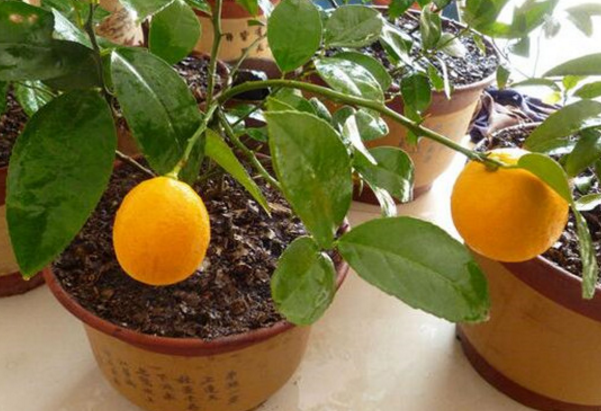
Lemon cutting propagation methods
The fastest and most direct way to propagate lemons is by cuttings, and the method is very simple and easy to learn.
1. Timing for lemon cuttings
The most suitable time for cuttings is late May. September also works, but since it is already autumn by then, the air humidity is very low, so you need to pay attention to regulating moisture. If growers have covered their lemon plants with plastic film, cuttings can also be taken in spring or winter.
2. Containers for lemon cuttings
You can choose a flower pot, a disposable cup, or any other suitable container, but just remember to make sure the bottom can drain water.
3. Medium for lemon cuttings
The most suitable is sandy soil with good aeration and good drainage. The soil should be sterilized beforehand, but do not fertilize it.
4. Branches for lemon cuttings
Cut mature, robust branches that have grown for about a year or so. Too young is no good, as they lack nutrients and rot easily. The length of the cuttings should be about 15 cm, then cut off most of the leaves on the branch, leaving only two or three at the top.
5. Method for taking lemon cuttings
Use a cotton swab to poke a small hole in the medium, then insert the branch into that hole, inserting about one or two nodes, then fill the hole firmly with the medium.
6. Care after lemon cuttings
After taking cuttings, water them thoroughly. You can sprinkle some water on the leaves, then place them in semi-shade, cover with plastic film, and keep the soil moist but not waterlogged, as overwatering may cause root rot. Keep the temperature at around 25°C, and in about 40 days they will sprout. Gradually expose them to light and move into normal care.
What are the reasons a lemon tree only blooms without fruiting?
1. Water withholding before flowering
To prevent excessive growth of summer shoots and to allow the tree to accumulate nutrients and promote flower bud formation, carry out "water withholding" on potted lemons before End of Heat (around August 23). Specifically, gradually reduce the water supply to potted lemons more than ten days before End of Heat; stop watering 5 days before, so that after the pot soil is exposed to the sun, a large amount of moisture evaporates and the pot soil dries out; due to the lack of water, the root system causes the branches and leaves to lose water, and the leaves become shriveled and curled. To prevent leaf dehydration, you can spray water on the leaves in the morning and evening, and also spray a small amount of water on the pot soil, so that the lemon is in a condition that is both dry and not dying. Its axillary buds will instead swell day by day, and the bud color will change from green to white. When most of the axillary buds change from green to white, the "water withholding" to promote flowering has succeeded. At this point, promptly resume watering the potted lemon.
2. Protecting flowers and fruits
After lemons bloom, in addition to applying a light fertilizer once a week, you must also thin flowers and thin fruits. Before the flowers open, first thin out some flower buds; after the flowers fade and fruit has set, thin out some young fruits in improper positions. The purpose is to reduce nutrient consumption, so that the limited nutrients are concentrated on the retained flowers and fruits, making the fruit grow larger and better. During fruit growth, if fertilizer and water are sufficient and the plant's nutritional condition is good, some branches will sprout new shoots, and the growth of new shoots will inevitably divert some nutrients and affect the growth of the fruit. To keep the fruit, promptly remove the new shoots that grow. When the fruit turns yellow and ripe, stop fertilizing and reduce watering, keeping the soil moist and slightly on the dry side. If you continue to give too much fertilizer and water, the fruit will age prematurely and drop early, shortening the ornamental period.
3. Reasonable fertilization
Lemons like fertilizer, and you should usually apply light fertilizer more often. Apply decomposed liquid fertilizer once before the plant sprouts, then apply a nitrogen-based liquid fertilizer once every 7 to 10 days to encourage more branches and leaves and more spring shoots. After each pinching, fertilize promptly to encourage the branches to mature earlier. During the lemon's growth period, you can scatter some cake fertilizer on the surface of the pot so that each watering allows some fertilizer to seep into the soil, enhancing fertility. After autumn begins, reduce fertilization to avoid excessive plant nutrition and the promotion of autumn shoots, which would compete with the fruit for nutrients and cause fruit drop.
How to grow a lemon tree: cultivation methods and precautions for lemon trees
Lemon tree leaves are relatively small, oblong, with fine serrations along the leaf margins. The flowers are solitary, opening throughout the year, with a rich fragrance. The fruit is oblong or ovate and ripens in autumn and winter. The peel is yellow, the flesh is extremely sour and strongly fragrant, the juice is citric acid, and the peel can be used to extract lemon oil. If you want your lemon tree to grow well, it is very necessary to understand how to grow a lemon tree. Below is an introduction to the cultivation methods and precautions for lemon trees.
Cultivation methods for lemon trees
Seedling raising and potting:In the south, where cultivation is on a large scale, grafting is suitable for propagation; in the north, where cultivation is on a small scale, cuttings are mainly used, and grafted seedlings can also be purchased for cultivation. The lemon's root system has relatively high requirements for moisture, nutrients and soil, so potting soil should be prepared as a slightly acidic culture soil that is permeable, aerated, water-retentive and fertilizer-retentive. The time for potting and repotting can be after autumn or in early spring, and can be flexibly arranged according to the local climate.
Light and temperature:Lemon is a light-loving plant, but if the sunlight is too intense, growth and development will be poor. Generally at noon, the plant needs to be moved to a suitable location. The suitable annual average temperature for growth is above 15°C, the optimal growth temperature is 23°C to 29°C, growth stops above 35°C, and at -2°C it suffers cold damage. Lemons generally do not need cooling in summer. Move them indoors before Frost's Descent and outdoors after Qingming, and they can overwinter safely.
Watering and fertilizing:Lemons need a fair amount of water during growth and development, but too much water easily causes root rot. Generally speaking, spring is the period for sprouting shoots, unfolding leaves, forming buds and flowering, so water moderately. In summer, light is strong and temperatures are high, so more water is needed. But it must be timely and moderate, otherwise it will cause fruit drop. Autumn is the period when autumn shoots grow and the fruit expands rapidly, so there must be sufficient water. Late autumn and winter are the flower bud differentiation period, and the pot soil should be on the drier side. Lemons quite like fertilizer, and in addition to applying enough base fertilizer when potting and repotting, the principle of light fertilizer applied frequently should be maintained during the growing period. The number of fertilizations and the amount applied must be determined according to growth vigor and phenological period. For liquid fertilizer, fully fermented cake fertilizer water is best, with a cake-to-water ratio of 1:200. Northern soil tends to be alkaline, so ferrous sulfate can be added to the fertilizer liquid to make a slightly acidic nutrient solution.
Pruning methods:Pruning is generally divided into winter pruning and summer pruning. Winter pruning should follow the principle of "remove the dense and keep the sparse, remove the weak and keep the strong", cutting off dead branches, shortening weak branches, and removing leggy branches with no initial fruiting function. Summer pruning on non-fruiting trees mainly involves shortening overly long shoots, while on fruiting trees it involves removing summer shoots and shortening declining branches in the middle and upper parts of the outer canopy.
Promoting flowers and protecting fruit:Lemon is originally a tree species that blooms and fruits in all four seasons, while potted plants in the north mostly bloom and fruit in spring. Therefore, after autumn shoots stop growing, water must be controlled. Wait until both sides of the leaves begin to curl inward, then water moderately to promote flower bud differentiation. Pay attention to fertilizing in the pot and spraying fertilizer on the leaves to cultivate strong fruiting mother branches. The main measures for protecting fruit are: first, strengthening the supply of fertilizer and water to accumulate nutrients; second, carrying out artificial pollination; third, thinning flowers and fruits. Lemon fruits are large and need many nutrients, with a normal leaf-to-fruit ratio of 30 to 40:1. According to the principle of removing the weak and keeping the strong and ensuring even distribution, first thin out excessive and overly dense flower buds; then when the young fruit is 1 cm in size, thin out some fruits; finally, after physiological fruit drop, determine the final fruit set according to the leaf-to-fruit ratio. You can also leave no fruit on weak branches and only 1 fruit on strong branches.
The above is an introduction to the cultivation methods and precautions for lemon trees, and we hope it is helpful to everyone. Common pests and diseases of lemon trees include red spider mites, scale insects, aphids and so on, which can be controlled by spraying with 80% dichlorvos emulsifiable concentrate at 1500 times dilution.
How to plant a lemon tree? Cultivation methods and precautions for lemon trees
Image: lemon tree
[Common questions] How to plant a lemon tree? Cultivation methods and precautions for lemon trees
[Expert answer]
Lemon tree leaves are relatively small, oblong, with fine serrations along the leaf margins. The flowers are solitary, opening throughout the year, with a rich fragrance. The fruit is oblong or ovate and ripens in autumn and winter. The peel is yellow, the flesh is extremely sour and strongly fragrant, the juice is citric acid, and the peel can be used to extract lemon oil. If you want your lemon tree to grow well, it is very necessary to understand how to grow a lemon tree. Below is an introduction to the cultivation methods and precautions for lemon trees.
1. Seedling raising and potting: In the south, where cultivation is on a large scale, grafting is suitable for propagation; in the north, where cultivation is on a small scale, cuttings are mainly used, and grafted seedlings can also be purchased for cultivation. The lemon's root system has relatively high requirements for moisture, nutrients and soil, so potting soil should be prepared as a slightly acidic culture soil that is permeable, aerated, water-retentive and fertilizer-retentive. The time for potting and repotting can be after autumn or in early spring, and can be flexibly arranged according to the local climate.
2. Light and temperature: Lemon is a light-loving plant, but if the sunlight is too intense, growth and development will be poor. Generally at noon, the plant needs to be moved to a suitable location. The suitable annual average temperature for growth is above 15°C, the optimal growth temperature is 23°C to 29°C, growth stops above 35°C, and at -2°C it suffers cold damage. Lemons generally do not need cooling in summer. Move them indoors before Frost's Descent and outdoors after Qingming, and they can overwinter safely.
3. Watering and fertilizing: Lemons need a fair amount of water during growth and development, but too much water easily causes root rot. Generally speaking, spring is the period for sprouting shoots, unfolding leaves, forming buds and flowering, so water moderately. In summer, light is strong and temperatures are high, so more water is needed. But it must be timely and moderate, otherwise it will cause fruit drop. Autumn is the period when autumn shoots grow and the fruit expands rapidly, so there must be sufficient water. Late autumn and winter are the flower bud differentiation period, and the pot soil should be on the drier side. Lemons quite like fertilizer, and in addition to applying enough base fertilizer when potting and repotting, the principle of light fertilizer applied frequently should be maintained during the growing period. The number of fertilizations and the amount applied must be determined according to growth vigor and phenological period. For liquid fertilizer, fully fermented cake fertilizer water is best, with a cake-to-water ratio of 1:200. Northern soil tends to be alkaline, so ferrous sulfate can be added to the fertilizer liquid to make a slightly acidic nutrient solution.
4. Promoting flowers and protecting fruit: Lemon is originally a tree species that blooms and fruits in all four seasons, while potted plants in the north mostly bloom and fruit in spring. Therefore, after autumn shoots stop growing, water must be controlled. Wait until both sides of the leaves begin to curl inward, then water moderately to promote flower bud differentiation. Pay attention to fertilizing in the pot and spraying fertilizer on the leaves to cultivate strong fruiting mother branches. The main measures for protecting fruit are: first, strengthening the supply of fertilizer and water to accumulate nutrients; second, carrying out artificial pollination; third, thinning flowers and fruits. Lemon fruits are large and need many nutrients, with a normal leaf-to-fruit ratio of 30 to 40:1. According to the principle of removing the weak and keeping the strong and ensuring even distribution, first thin out excessive and overly dense flower buds; then when the young fruit is 1 cm in size, thin out some fruits; finally, after physiological fruit drop, determine the final fruit set according to the leaf-to-fruit ratio. You can also leave no fruit on weak branches and only 1 fruit on strong branches.
5. Pruning methods: Pruning is generally divided into winter pruning and summer pruning. Winter pruning should follow the principle of "remove the dense and keep the sparse, remove the weak and keep the strong", cutting off dead branches, shortening weak branches, and removing leggy branches with no initial fruiting function. Summer pruning on non-fruiting trees mainly involves shortening overly long shoots, while on fruiting trees it involves removing summer shoots and shortening declining branches in the middle and upper parts of the outer canopy.
6. Pest and disease control: Common pests and diseases of lemon trees include red spider mites, scale insects, aphids and so on, which can be controlled by spraying with 80% dichlorvos emulsifiable concentrate at 1500 times dilution.
[Editor's comments] Lemon is a common fruit in our daily lives. Many people like drinking lemon juice, and it can be used as a seasoning for many foods. So do you know how to plant a lemon tree? In the text above, the editor of First Agricultural Economics shared with you the cultivation methods and precautions for lemon trees, and we hope it is helpful to you.