-
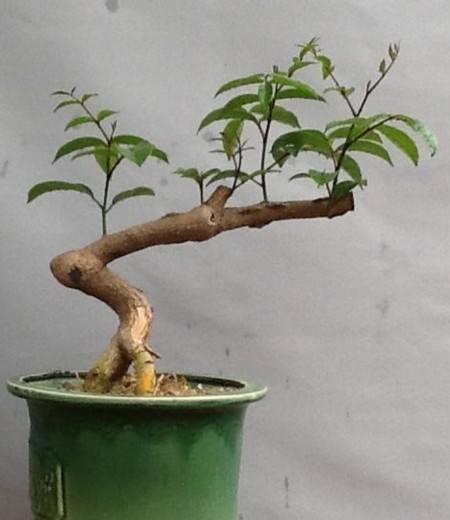
How to make a Zanthoxylum nitidum bonsai? The method and steps explained all at once
Zanthoxylum nitidum is named because both sides of the leaf midrib bear thorns. It is a traditional Chinese medicinal herb with effects such as clearing heat and detoxifying, commonly known as Liangbeizhen and Rudijinniu, and is an evergreen vine of the Rutaceae family. Because Zanthoxylum nitidum has excellent plant characteristics such as a graceful tree form, evergreen foliage throughout the year, tolerance to transplanting, and ease of survival
-
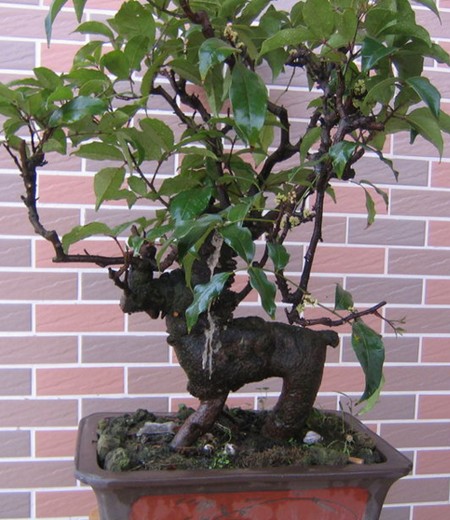
Detailed Explanation of Key Cultivation Techniques for Shuangmianzhen (Zanthoxylum nitidum) Bonsai
Shuangmianzhen (Zanthoxylum nitidum) is a woody vine of the genus Zanthoxylum in the family Rutaceae; hooked prickles grow on both surfaces of the stems, branches, lower leaf rachises and the midribs of the leaflets. Shuangmianzhen has a thick main root with many branch roots; the outer bark of the root is mud-yellow, the inner bark is sulfur-yellow, soft, with a very bitter taste that numbs the tongue. It is best to choose a sunny site with good drainage
-
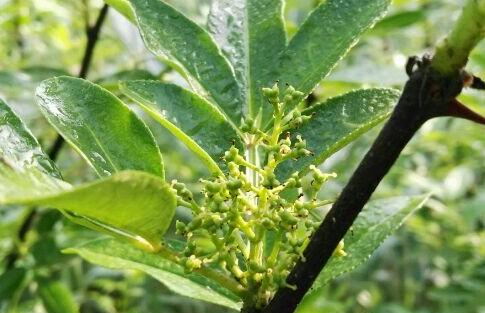
What pests and diseases affect the Sichuan pepper tree (Zanthoxylum bungeanum) of the Rutaceae family, and what are the symptoms and control methods?
Sichuan pepper is a tree species with high economic value, possessing high medicinal and edible value, and is an important plant. So what diseases affect the Sichuan pepper tree? What are the pest and disease control methods? During the growth and development of Sichuan pepper, due to unsuitable environmental conditions or invasion by pathogenic bacteria
-
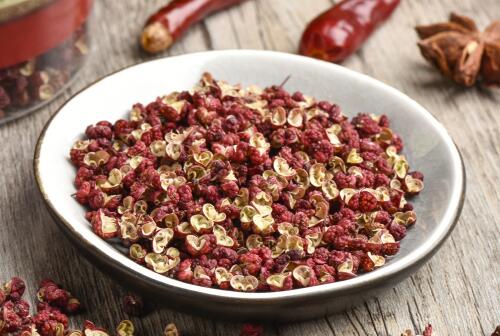
Rutaceae: Prickly Ash (Zanthoxylum) Planting Prospects and Profit Analysis Per Mu
Prickly ash is one of the common seasonings in our daily life. It is a spice and oil tree species with a long cultivation history and wide distribution in China, and it is commonly planted in our country. So what are the planting prospects for prickly ash? How much is the profit per mu? Introduction to prickly ash and its varieties. 1. Prickly ash is also called hui, da jiao, Qin jiao, and Shu jiao.
-

What are the precautions for planting Zanthoxylum armatum? Explained clearly in one article
Precautions for planting Zanthoxylum armatum
-
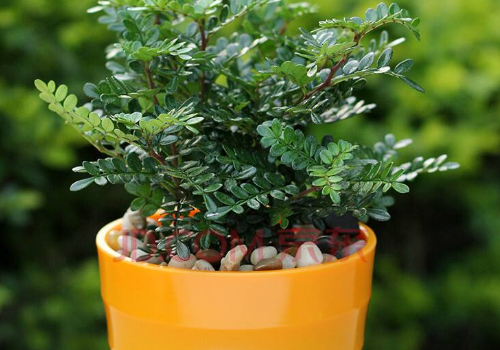
Pepperwood (Zanthoxylum beecheyanum) Cutting Propagation and Bonsai Shaping Methods
Pepperwood has many uses, so many people want to grow it nowadays. How do you propagate pepperwood from cuttings? Bonsai shaping methods: How do you propagate pepperwood from cuttings: 1. When taking cuttings of pepperwood, the choice of timing is also very important. Cuttings are best taken in spring or autumn.
-

How to Create and Care for a Zanthoxylum nitidum Bonsai
Zanthoxylum nitidum is named for the thorns on both sides of the leaf midrib, and is a traditional Chinese medicinal herb with effects such as clearing heat and detoxifying; it is commonly known as Liangbeizhen and Rudijinniu, and is an evergreen vine in the family Rutaceae. Its stem is light blackish-brown, with odd-pinnate compound leaves arranged oppositely, and dark green, nearly leathery, ovate-oblong leaflets. The small pale yellow flowers are fragrant, the stems, branches and leaves all bear prickles, and the seeds are black and ovate. The flowering period is from March to April, and the fruiting period from September to October. Because Zanthoxylum nitidum has excellent plant characteristics such as a graceful tree form, evergreen foliage all year round, tolerance of transplanting and ease of survival, in recent years it has often been used to make
-
Detailed Introduction to the New Zanthoxylum bungeanum Variety 'Asakura Sansho'
This variety has round, relatively small fruits. The thousand-fruit weight of fresh fruit is 66.78 grams, the thousand-fruit weight of the pericarp is 14-15 grams, the pericarp thickness is 0.9-1.2 mm, and the pericarp yield is 21.89%. The essential oil content of the pericarp is moderate, about 6.0-10.7%. The sprouting ability is weak, the branching ability is strong, and the fruit-setting rate is moderate. Both the pepper sprouts and the fruits are edible, and they are important raw materials for seasonings, pickles, and medicine. It is resistant to gummosis. Its cold resistance is moderate, and the cold resistance of young trees is relatively poor.
-

Detailed Guide to Zanthoxylum armatum Cultivation Techniques: Planting Methods and Management Points
Cultivation Techniques for Zanthoxylum armatum
-
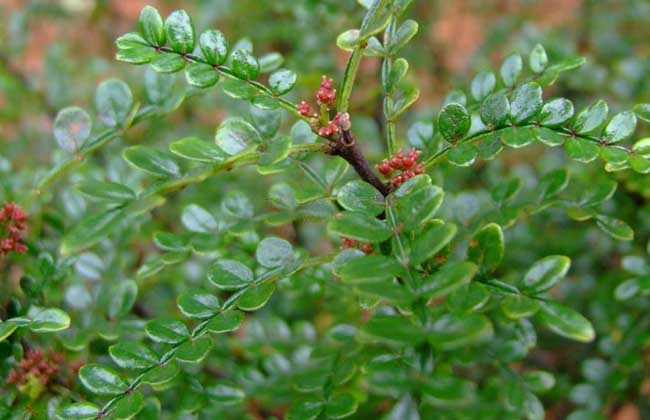
What is the difference between Qingxiangmu (Pistacia weinmannifolia) and pepperwood (Zanthoxylum beecheyanum)? A quick guide to tell them apart
The difference between Qingxiangmu and pepperwood
条件筛选