Pepperwood (Zanthoxylum beecheyanum) Cutting Propagation and Bonsai Shaping Methods
Pepperwood has many uses, so many people want to grow it nowadays. How do you propagate pepperwood from cuttings? Bonsai shaping methods:
How do you propagate pepperwood from cuttings:
1. When taking cuttings of pepperwood, the choice of timing is also very important. Cuttings are best taken in spring or autumn, though autumn is somewhat better, as the rooting rate is especially high at that time. Select semi-lignified branches, but their rooting rate will not be high, so a rooting hormone should be used on them.
It is best to choose middle-section branches about one year old, with a length kept at around 10 to 15 cm; pepperwood cuttings like these will root more easily.
2. As for the soil, be sure to note that the soil must be breathable and slightly acidic. When taking cuttings, two-thirds of the cutting should be buried; a layer of film can be placed over the soil, and the humidity also needs to be somewhat high. After 45 days, the roots of the pepperwood will generally have grown out, so at this point it can be transplanted.
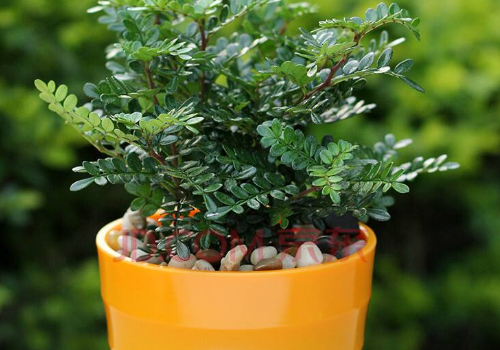
Pepperwood bonsai shaping methods:
1. Choice of pot: Pepperwood bonsai can be shaped in a purple clay pottery pot or a glazed pottery pot. The shape of the pot should be determined by the shape of the tree: for the cascade style, use a tall, deep cylindrical pot; for the slanting-trunk style and the lying-trunk style, use a medium-deep rectangular or oval pot; for the raised-root style and the rock-clinging style, use a relatively shallow pot.
2. Soil: For pepperwood bonsai, choose a fertile, moist, loose-textured, well-draining, slightly acidic sandy loam, and place a layer of coarse sandy soil at the bottom of the pot, which helps with drainage.
3. Plant shaping: For the shaping of pepperwood bonsai, potting and shaping should focus mainly on wiring, combined with appropriate pruning. Wiring is best done during the dormant period, using palm fiber, and the palm fiber should not be left exposed. The trunk should be twisted, the branches gnarled, and the posture natural. Prune the small branches and leaves of the pepperwood into layered sheets or hemispherical shapes, so that the tiers look pleasingly uneven.
Now you have some understanding of pepperwood bonsai shaping.
Pine Tree Pinus Pine Tree Illustrated Guide: How to Grow Pine Trees / How to Propagate Pine Trees
Pine Tree ProfilePine Tree Pinus
Aliases: Song
Classification: Tree Flower
Family and Genus: Plantae, Spermatophyta, Coniferopsida, Pinales, Pinaceae, Pinus
Full Bloom Period: Spring and Autumn
Pine trees are, for the vast majority, tall trees, 20-50 m tall, with the tallest reaching 75 m (the sugar pine P. lambertiana of the United States). A very small number are shrub-like, such as the dwarf pine (P. pumila) and the Yunnan pine (P. yunnanensis). Pine trees have whorled branching, with long internodes; the small branches are relatively slender, straight or slightly curved downward, and the needles are slender and borne in bundles. Therefore, their crowns look loose and fluffy rather than compact, and the Chinese character "song" (pine) is precisely a vivid description of the crown's characteristic. So "song" refers to a type of tree with a loose, fluffy crown. Pine trees are sturdy and have very long lifespans. Pine trees are evergreens. The vast majority are tall...
Pine Tree Growing Methods and Precautions Pine Tree Introduction
Pine trees are, for the vast majority, tall trees, 20-50 m tall, with the tallest reaching 75 m (the sugar pine P. lambertiana of the United States). A very small number are shrub-like, such as the dwarf pine (P. pumila) and the Yunnan pine (P. yunnanensis). Pine trees have whorled branching, with long internodes; the small branches are relatively slender, straight or slightly curved downward, and the needles are slender and borne in bundles. Therefore, their crowns look loose and fluffy rather than compact, and the Chinese character "song" (pine) is precisely a vivid description of the crown's characteristic. So "song" refers to a type of tree with a loose, fluffy crown. Pine trees are sturdy and have very long lifespans.
Pine trees are evergreens. The vast majority are tall trees. They are 20-50 m tall, with the tallest reaching 75 m (the sugar pine P. lambertiana of the United States). A very small number are shrub-like, such as the dwarf pine (P. pumila) and the Yunnan pine (P. yunnanensis). Pine trees have whorled branching, with long internodes; the small branches are relatively slender, straight or slightly curved downward, and the needles are slender and borne in bundles. Therefore, their crowns look loose and fluffy rather than compact, and the Chinese character "song" (pine) is precisely a vivid description of the crown's characteristic. So "song" refers to a type of tree with a loose, fluffy crown.
Pine is the collective name for plants in the family Pinaceae. Although in Chinese many of these species are called "shan" (fir), their general characteristic is that the leaves are shaped like a needle, which prevents large amounts of water from evaporating. In places where the climate is not so hot, at roughly 40 to 60 degrees north latitude (such as Europe), this type of plant is also relatively common.
The leaves are flat and linear or needle-shaped, spirally alternate, or clustered on short shoots; usually monoecious; the stamens of the cones and the seed scales bearing ovules are also spirally alternate; the stamens of the male cones have 2 anther sacs, the seed scales of the female cones have 2 ovules, and the bract scales on the back of the seed scales are separate from the seed scales.
As for the leaf shape of pine trees, pine needles are most people's impression of pines, but note that pine needles do not grow directly on the branches; rather, they are borne on the nodal leaf cushions at the junction of branch and leaf. Then, the outer periphery of each pine needle has a thick cuticle layer and a waxy outer membrane, which reduces water loss from the pine tree and is also the secret of why pines can survive in very dry environments.
Morphological Characteristics of Pine Trees
The crown of a young pine tree is pyramid-shaped, and the branches are mostly borne in whorls. After the seedling emerges and the cotyledons unfold, the first leaves to appear are primary leaves, single, spirally arranged, linear-lanceolate, with toothed leaf margins. After the primary leaves perform the function of leaves for 1-3 years, needles appear, usually in bundles of 2, 3, or 5, borne at the tips of short shoots. The base of each needle bundle has a leaf sheath, which either falls early or persists. The position of the resin ducts in the mesophyll tissue is relatively constant in adult plants and can be divided into 3 types: external, medial, and internal. In the cross-section of a pine needle, 1 or 2 vascular bundles can be seen; under special environmental conditions, the vascular bundles may merge in two-needle pines. The cones are unisexual, and the plants are monoecious. The cones are mostly composed of seed scales and become woody at maturity. The exposed, thickened part of the seed scale is called the scale shield, and the knob-like protrusion at the tip of the scale shield is called the scale umbo. In some species the umbo bears a spine, in others it does not. When the cone matures, the seed scales open and the seeds fall out; but in a few species the seed scales remain closed for a long time. Each seed scale bears 2 seeds, and the upper part of the seed has a long wing, while a few have a short wing or no wing.
The most obvious characteristic of pine trees is that the leaves are needle-shaped, usually in bundles of 2, 3, or 5 needles. For example, the Chinese pine, Masson's pine, and Huangshan pine have leaves in bundles of 2 needles; the lacebark pine has leaves in bundles of 3 needles; the Korean pine, Armand pine, and Japanese white pine have leaves in bundles of 5 needles.
Pine trees are monoecious plants, and the sporophylls are arranged in cone form, forming female and male cones. The female cones are borne singly or 2-4 together at the tips of new branches, while the male cones are mostly clustered at the lower part of new branches. Pine cones generally open in spring and summer, but after the pollen reaches the female cone, it does not germinate until early summer of the following year, fertilizing the female flower and developing into a cone (commonly called a pine tower or pine ball, not a fruit). The cone matures after autumn, the seed scales open, and each seed scale bears two seeds.
Most species in the genus Pinus are tall, upright trees, and their wood is good, with many being timber of the highest quality. The "king of timber" of Northeast China - the Korean pine; the tall tree species widely distributed in western North America (up to 75 m tall) - the western yellow pine; the fastest-growing pine native to the coast of California, USA - the radiata pine; the slash pine native to the southeastern United States; the Caribbean pine native to the Caribbean region of the Americas; the Scots pine widely distributed in western and northern Eurasia, and so on, are all famous timber tree species.
Deodar cedar: flowering period October-November; Japanese black pine: flowering period April-May; Japanese red pine: flowering period April; Chinese pine: flowering period April-May; loblolly pine: flowering period March-April; golden larch: flowering period April-May; slash pine: flowering period late March; Japanese white pine: flowering period May.
Ecological Habits and Climatic Conditions of Pine Trees
Due to differences in the geographical distribution of their places of origin, among the pines native to China, the Mongolian Scots pine, the Siberian dwarf pine, and the dwarf pine are the most cold-tolerant and have the lowest heat requirements. The Korean pine also has relatively low heat requirements. The Japanese red pine, Chinese pine, lacebark pine, Armand pine, high-mountain pine, Huangshan pine, and Bashan pine are tree species of warm temperate and subtropical high-altitude areas and have moderate heat requirements. The Masson's pine, Yunnan pine, Himalayan pine, and Simao pine are distributed in more southerly areas and require higher heat. The Tenasserim pine is a tropical pine and has the highest heat requirements. As for moisture requirements, five-needle pines are generally more demanding than two-needle pines, but this also varies by species. For example, among the five-needle pines, the Korean pine and the Armand pine, the former requires moister conditions than the latter; among the two-needle pines, the Japanese red pine and Masson's pine have higher moisture requirements than the Chinese pine and Yunnan pine. This is related to the phenomenon of replacement occurring with longitude in geographical distribution.
Soil Requirements
Pine trees can grow on various different soils. Because the ash content of the needles is low, they can tolerate poor soils, but their productivity is higher when planted in loose, fertile soil. Most pines in humid regions are suited to acidic soils. But some pines, such as the lacebark pine and Chinese pine, can adapt to soils with high calcium content and high pH. Pine roots have mycorrhizal fungi living in symbiosis with them. Mainly the mycelium of ectomycorrhizae forms a sheath that surrounds the short lateral roots, which helps the root system absorb water and nutrients. Therefore, inducing mycorrhizal development is crucial to the success of afforestation with some pines. Most pines cannot grow on saline soils, and thus cannot grow near the seashore. However, some pines, such as the Japanese black pine introduced to China from Japan, have relatively strong salt tolerance.
Shade Tolerance
Most pines, especially two-needle pines, are light-demanding tree species with weak shade tolerance. Their external appearance is a sparse crown and a high natural pruning line; physiologically they show a low compensation point; in terms of stand-forming characteristics, they are mostly pioneer species. When primary forest is destroyed or burned by fire, they readily establish themselves and occupy the exposed space. For example, after the evergreen broad-leaved forest in southern China is destroyed, it is readily replaced by Masson's pine or Yunnan pine. But these pine forests are not stable; once they form a suitable forest environment, some relatively shade-tolerant basic forest-forming tree species appear, mainly broad-leaved trees such as David's aspen and birch, and only afterward does the Korean pine appear, and because the Korean pine has the characteristics of shade tolerance and longevity, it finally restores its dominant position. Besides the mutual replacement of Korean pine with David's aspen and birch, there is also the phenomenon of mutual replacement between Mongolian oak (Mongolian oak) and Korean pine.
Drought Resistance
Pine trees have xerophytic structures: narrow leaves, a well-developed cuticle, a small surface area to volume ratio, sunken stomata, and fully developed sclerenchyma. Physiologically, compared with mesophytic broad-leaved tree species, they can better endure water shortage without being harmed. Ecologically, pine trees are xerophytes. The various pines distributed across different climatic zones can mostly grow in dry habitats that are stony and have shallow soil. Generally speaking, two-needle pines are more drought-resistant than five-needle pines. Excessive soil moisture is unfavorable to pine growth.
Cultivation Techniques for Pine Trees: Selection of Nursery Sites for Planting and Seedling Raising
The nursery site should preferably be a plot with loose soil, deep sandy loam, flat terrain, good drainage, and irrigation conditions. The root system of the lacebark pine has symbiotic mycorrhizal fungi, and the mycorrhizal fungi have a good effect on promoting seedling growth, that is, they can promote the seedling root system's absorption of water and nutrients in the soil and improve the seedling's drought resistance and disease resistance. Therefore, the nursery site for lacebark pine is suitable for continuous cropping.
Seed Sand Storage and Germination Promotion
Use indoor layered sand storage and germination promotion in winter. Sand storage for germination promotion should be carried out before the soil freezes. Choose a clean house with intact doors and windows and disinfect it thoroughly, pile the disinfected pure sand with a moisture content of about 60% indoors, put the seeds and sand in a pure cloth bag at a ratio of 1:3, so that the volume of sand and seeds accounts for 30%-40% of the total volume of the cloth bag, then lay the cloth bag flat and bury it in layers in the sand, cover the sand pile with a straw curtain, and pay attention to ventilation, moisture retention, and frost prevention. In the following year, when 40%-50% of the seeds have cracked open, they can be sown.
The seedling raising method uses container seedling raising or raised-and-lowered bed seedling raising. For seedbed seedling raising, drilling is used, with a sowing rate of 40-50 kg per mu, and after sowing, cover with plastic film or rice straw; the covering rice straw should be disinfected with a 1% concentration formalin or carbendazim solution.
Seedling Stage Management
25-30 days after sowing, the seedlings emerge from the soil with their shells, and after about 15 days the shells fall off on their own; during this period, damage by birds and animals must be prevented. After the seed shells fall off, the prevention of damping-off should be strengthened, spraying the seedlings with carbendazim and ferrous sulfate alternately 2-3 times a week. The concentration of ferrous sulfate used is a 0.3%-0.5% aqueous solution; one person sprays the pesticide in front, and another person immediately follows behind spraying water to rinse, otherwise phytotoxicity is likely to occur. During the seedling growth process, water should be applied timely and appropriately, and attention should be paid to loosening the soil and weeding.
Lacebark pine seedlings grow slowly: in the first year the seedling height is only 4 cm-5 cm, in the second year about 10 cm, 4-5 year old seedlings are 30 cm-40 cm tall, and 10-year-old seedlings are about 1 m tall. During the cultivation process, the seedlings must go through 2-3 transplants before they can be grown into large seedlings. Usually 1-2 year old seedlings undergo the first transplant, then are grown for another 1-2 years before being planted on the mountain for afforestation. 5-year-old seedlings undergo the second transplant, and 8-10 year old seedlings undergo the third transplant. After the third transplant, they can be used for landscaping.
Main Characteristics
Up to 45 m tall, DBH 1.5 m; bark red-brown, gray-brown on the lower part, splitting into irregular scaly blocks; branches spreading flat or slanting, crown broadly tower-shaped or umbrella-shaped, branches growing one whorl per year, but usually growing two whorls in southern Guangdong, light yellow-brown, without white powder, rarely with white powder, hairless; winter buds ovoid-cylindrical or cylindrical, brown, apex pointed, bud scale margins filiform, apex pointed or forming an acuminate long point, slightly recurved. Needles in bundles of 2, rarely in bundles of 3, 12-20 cm long, slender and soft, slightly twisted, with stomatal lines on both surfaces, margins finely serrate; in cross-section the subepidermal cells are of a single type, the first layer continuously arranged, the second layer formed by individual cells intermittently arranged, resin ducts about 4-8, marginal on the back, or 2 also marginal on the ventral side; leaf sheath initially brown, later gradually turning gray-black, persistent. Male cones pale red-brown, cylindrical, curved and drooping, 1-1.5 cm long, clustered in the bract axils at the lower part of new branches, spicate, 6-15 cm long; female cones borne singly or 2-4 clustered near the tip of new branches, pale purple-red; first-year small cones spherical or ovoid, about 2 cm in diameter, brown or purple-brown, the scale umbo of the upper ovuliferous scales bearing upward erect short spines, the scale umbo of the lower ovuliferous scales flat and blunt without spines. Cones ovoid or conical-ovoid, 4-7 cm long, 2.5-4 cm in diameter, with a short stalk, drooping, green before maturity, chestnut-brown at maturity, falling off successively; middle seed scales nearly oblong-obovate, or nearly rectangular, about 3 cm long; scale shield rhombic, slightly raised or flat, transverse ridge slightly obvious, scale umbo slightly concave, without spines, those growing in dry environments often with extremely short spines; seeds long-ovoid, 4-6 mm long, 2-2.7 cm long including wing; cotyledons 5-8; 1.2-2.4 cm long; primary leaves linear, 2.5-3.6 cm long, leaf margins with sparsely borne bristle-like serrations.
Pine is the collective name for plants in the genus Pinus of the family Pinaceae, evergreen coniferous trees, monoecious. Branches whorled, growing one or several nodes per year, winter buds conspicuous, bud scales numerous. Bud scales, scale leaves (primary leaves), stamens, bract scales, ovuliferous scales, and seed scales are all spirally arranged. Scale leaves single, linear when young, green, later gradually degenerating into brown, membranous bract-like structures, with needles (secondary leaves) emerging from their axils; needles in bundles of 2, 3, or 5, borne on undeveloped short shoots, the base of each needle bundle surrounded by a membranous leaf sheath. Monoecious, cones unisexual; male cones borne singly in the bract axils at the lower part of new branches, mostly clustered, stamens numerous, anthers 2, anther cells longitudinally dehiscing, pollen with two well-developed air sacs, the contact surface between the air sac and the body relatively small, the boundary obvious, generally all with a conspicuous marginal rim; female cones 1-4 borne near the tip of new branches, with numerous ovuliferous scales and bract scales, the ventral base of each ovuliferous scale bearing two anatropous ovules, pollinated in the current year, and rapidly enlarging into a cone in the second year. Cones mature in 2 years, seed scales opening at maturity, rarely not opening, ovoid, long-ovoid, nearly circular, or cylindrical, erect or drooping; seed scales woody, persistent, the exposed upper part usually thickened into a scale shield, with or without an obvious transverse ridge, the tip or center of the scale shield mostly with a knob-like protrusion or a slightly concave scale umbo, with or without spines, fertile seed scales bearing 2 seeds; the upper part of the seed has an upper wing, cotyledons 3-18, emerging from the soil at germination.
Some pine species bear seeds relatively early, with a small amount of seed production at 5-6 years, increasing markedly at 15-20 years (Masson's pine, Chinese pine, Yunnan pine, etc.); some species bear seeds very late, such as the Korean pine, which under natural forest conditions does not begin to bear seeds until 80-140 years (but under plantation conditions, it begins to bear seeds at 15-20 years). Most pines have interval seed bearing, with a good harvest once every 2-3 years or longer. The male cones of pines are located at the base of new shoots, and the female cones are mostly found at the axial ends of the main branches. Cone maturation has a rather long process. The male and female cones of a few tropical pines emerge from the buds at the end of winter, while the cones of most pines emerge from the buds in early spring, late spring, or early summer. Male cones clustered, green or yellow to red before maturity, light brown or brown when the pollen is shed, falling off shortly after maturity. The appearance of female cones closely follows that of the male cones, and they are green or red-purple. At pollination the female cones are nearly erect. After pollination, the scales close, and the cone begins slow development. Fertilization occurs about 13 months after pollination, in spring or early summer, after which the cone begins rapid growth; generally after maturing in late summer and autumn of the second year, the cone matures, and its color gradually changes from green and purple to yellow, light brown, or dark brown. Most pine cones open their scales shortly after maturing, and the seeds fall quickly (Masson's pine, Chinese pine, etc.); a few pines have a process of scale opening and seed falling that lasts for as long as several months. In some pines, part or all of the cones remain closed within the year or open irregularly on the tree. Korean pine cones are large and heavy and are very easily blown off by wind before and after maturity.
Growth and Development
The growth process of pine trees varies by species. The Chinese pine, Masson's pine, and Yunnan pine grow relatively fast in the early stage, but reach quantitative maturity relatively late; before 5 years of age, their height and diameter growth are relatively slow, and 5-20 years is the period of extremely vigorous growth. In natural forests, the Korean pine grows slowly in DBH before 50 years of age, 50-100 years is the period of vigorous DBH growth, after which it can still maintain a relatively high rate, and only after 200 years does it decrease markedly; the period of vigorous height growth is around 100 years; the age of quantitative maturity of volume is around
300 years. In plantations, the early growth of the Korean pine is markedly accelerated; generally the DBH and height grow relatively slowly only in the first 10 years, and growth reaches the vigorous period at 10-30 years. The growth process of the Tenasserim pine, like that of some other tropical pines, has a grass-stage; from germination to 4 years of age, the stem height growth is very slow, while the diameter growth is fast, forming a stem like a carrot, with needles dense like a grass clump, and the terminal bud hidden in the leaf cluster; after passing through the grass stage, the height growth suddenly accelerates, growing 80-130 cm per year. The Yunnan pine also has a grass stage when young.
Forest Tree Variation
Pine trees are cross-pollinated plants, and variation widely exists among individuals, among stands, and among provenances (places of origin). Pine types can be distinguished based on individual variation. For example, in the Zunhua area of Hebei, China, the Chinese pine is traditionally divided into 3 types: red-bark pine (Chinese pine), with heavy wood and dark color and more resin; yellow-bark pine (bran pine), with white wood and less resin; and thousand-bark pine (rough-bark pine), with heavy wood, yellow in color. In the south, the Masson's pine is divided into copper-bark pine (thin bark) and iron-bark pine (thick bark), etc. Contemporary research on individual variation of pines still divides pine types according to bark thickness, color, etc. (Chinese pine, Masson's pine, Mongolian Scots pine, Korean pine, etc.). Besides bark characteristics, the width and density of the crown are also often used as a basis for dividing types (Masson's pine, Chinese pine). Widely conducted provenance trials show that geographical variation generally exists in pines; therefore, different ecotypes can be divided within the same species. Research on the geographical variation of pines is the basis for seed zoning and selection work.
Planting and Afforestation
Planting and afforestation techniques vary depending on the type of seedling. Container seedlings carry a soil ball, and the root system is not easily damaged during planting, so the survival rate is relatively high. The afforestation technique is also relatively simple. For bare-root seedlings, during the process of lifting and planting, the small active roots are mostly damaged, and their survival depends on the regenerative capacity of the root system and environmental conditions, and is also affected by factors such as seedling quality, age, planting season, and planting method. Transplanted seedlings, because of their well-developed root system and large root-to-shoot ratio, generally have a higher survival rate than wild seedlings. The age of afforestation seedlings mainly depends on the tree species; the Korean pine is generally suitable as 2-3 year old seedlings, but in cutting sites with dense weeds, 3-4 year old seedlings are suitable. In North China, Chinese pine rainy-season afforestation mostly uses 1.5-year-old seedlings, and spring afforestation mostly uses 2-year-old seedlings or transplanted seedlings. Masson's pine uses 1-year-old seedlings or even hundred-day seedlings sown in autumn and emerging in the following spring for afforestation. Generally, early spring is the suitable afforestation season, while in the North China and Northwest regions with severe spring drought, the rainy July and August can be chosen for afforestation. There are two planting methods, hole planting and slit planting, both of which must keep the seedling roots moist; when planting, pay attention to spreading the root system out, and firm the soil after covering. Injured and overly long lateral roots can be appropriately pruned before planting. In arid areas, various measures to weaken surface evaporation can be taken for afforestation. For seedling arrangement, generally 1 plant is planted at each planting point, but there is also clump planting, that is, 2-4 plants planted at each planting point. Clump planting is beneficial for improving the survival rate and promoting the growth of young trees. The afforestation density of pines is suitable at 4444 plants per hectare (spacing 1.5 x 1.5 m), and 3333 plants per hectare (spacing 1.5 x 2.0 m), or even 2500 plants (spacing 2 x 2 m) can also be used.
Pure pine forests are prone to pests, diseases, and fire, and their productivity is also low; therefore, whether planting or direct seeding afforestation is used, attention must be paid to creating mixed forests. The mixed forest type must be determined through long-term trials. In Northeast China, the tree species commonly mixed with Korean pine in natural forests include Amur linden, mono maple, Siberian spruce, Korean spruce, and Sakhalin fir, etc.
Propagation Methods of Pine Trees
Pine is the collective name for plants in the genus Pinus of the family Pinaceae, evergreen coniferous trees, monoecious. Branches whorled, growing one or several nodes per year, winter buds conspicuous, bud scales numerous. Bud scales, scale leaves (primary leaves), stamens, bract scales, ovuliferous scales, and seed scales are all spirally arranged. Scale leaves single, linear when young, green, later gradually degenerating into brown, membranous bract-like structures, with needles (secondary leaves) emerging from their axils; needles in bundles of 2, 3, or 5, borne on undeveloped short shoots, the base of each needle bundle surrounded by a membranous leaf sheath. Monoecious, cones unisexual; male cones borne singly in the bract axils at the lower part of new branches, mostly clustered, stamens numerous, anthers 2, anther cells longitudinally dehiscing, pollen with two well-developed air sacs, the contact surface between the air sac and the body relatively small, the boundary obvious, generally all with a conspicuous marginal rim; female cones 1-4 borne near the tip of new branches, with numerous ovuliferous scales and bract scales, the ventral base of each ovuliferous scale bearing two anatropous ovules, pollinated in the current year, and rapidly enlarging into a cone in the second year. Cones mature in 2 years, seed scales opening at maturity, rarely not opening, ovoid, long-ovoid, nearly circular, or cylindrical, erect or drooping; seed scales woody, persistent, the exposed upper part usually thickened into a scale shield, with or without an obvious transverse ridge, the tip or center of the scale shield mostly with a knob-like protrusion or a slightly concave scale umbo, with or without spines, fertile seed scales bearing 2 seeds; the upper part of the seed has an upper wing, cotyledons 3-18, emerging from the soil at germination. Some pine species bear seeds relatively early, with a small amount of seed production at 5-6 years, increasing markedly at 15-20 years (Masson's pine, Chinese pine, Yunnan pine, etc.); some species bear seeds very late, such as the Korean pine, which under natural forest conditions does not begin to bear seeds until 80-140 years (but under plantation conditions, it begins to bear seeds at 15-20 years). Most pines have interval seed bearing, with a good harvest once every 2-3 years or longer. The male cones of pines are located at the base of new shoots, and the female cones are mostly found at the axial ends of the main branches; cone maturation has a rather long process.
The male and female cones of a few tropical pines emerge from the buds at the end of winter, while the cones of most pines emerge from the buds in early spring, late spring, or early summer. Male cones clustered, green or yellow to red before maturity, light brown or brown when the pollen is shed, falling off shortly after maturity. The appearance of female cones closely follows that of the male cones, and they are green or red-purple.
At pollination the female cones are nearly erect. After pollination, the scales close, and the cone begins slow development.
Fertilization occurs about 13 months after pollination, in spring or early summer, after which the cone begins rapid growth; generally after maturing in late summer and autumn of the second year, the cone matures, and its color gradually changes from green and purple to yellow, light brown, or dark brown.
Most pine cones open their scales shortly after maturing, and the seeds fall quickly (Masson's pine, Chinese pine, etc.); a few pines have a process of scale opening and seed falling that lasts for as long as several months. In some pines, part or all of the cones remain closed within the year or open irregularly on the tree. Korean pine cones are large and heavy and are very easily blown off by wind before and after maturity.
Pine Tree Disease Prevention and Control Diseases
The most common and serious disease at the seedling stage is damping-off, with symptoms including seed rot before emergence, and top rot, seedling blight, and damping-off after emergence. The pine seedling leaf blight of Masson's pine at the seedling stage is sometimes also seriously damaging. Common leaf diseases include pine needle rust, pine needle cast, and Masson's pine red blight. The latter two mostly occur in stands with poor sites, poor soil, and poor growth. Trunk diseases include blister rust and five-needle pine blister rust, which are important forest diseases worldwide and have destroyed large areas of five-needle pine forests in Europe and North America; young Korean pine plantations in Northeast China are also severely affected. Masson's pine and Huangshan pine in stands with stagnant air, high humidity, and many oak trees are affected by pine gall rust; pine root white rot is also quite common.
Pests
The pine caterpillar is the most important leaf-eating pest of pine trees and often causes enormous losses. The pine tussock moth mainly harms Masson's pine and Chinese pine, and in Guangxi often occurs mixed with the Masson's pine caterpillar, and can cause devastating outbreaks. The larvae of the pine needle small leafroller, the bagworm, and others are also seriously damaging. The new pine sawfly causes outbreaks intermittently in different distribution areas. The reddish-tipped shoot borer is found almost throughout the country and is the most important pest boring into the main shoot, causing lateral branches to cluster or the trunk to bend due to replacement of the main shoot. The pine shoot small leafroller can also cause the main shoot to be damaged and wither. The cone borer harms cones. Conifer longhorn beetles and bark beetles are major pests boring into branches and trunks and can cause pines to die in patches, but they generally do not attack healthy trees. The Huashan pine bark beetle attacks healthy Armand pines and can cause devastating outbreaks. The twelve-toothed pine bark beetle, the eight-toothed larch bark beetle, and the eight-toothed spruce bark beetle can also attack healthy trees. The pine scale is a type of devastating pest that sucks sap from branches and trunks. In control, the principles of matching tree species to sites, reasonable mixed planting, and good tending and management, with silvicultural measures as the main approach, should be implemented, and chemical control can be supplemented when necessary.
The pine wood nematode was first discovered in 1982 at the Sun Yat-sen Mausoleum in Nanjing, and afterward successively caused disasters in Jiangsu, Anhui, Guangdong, and Zhejiang, and almost destroyed the Masson's pine forests widely distributed in Hong Kong, China. Short-distance spread mainly relies on vector longhorn beetles, such as the Japanese pine sawyer, for transmission; long-distance spread mainly relies on human transport of seedlings, pine timber, pine wood packing boxes, and pine wood products carrying the disease (longhorn beetles carrying the pine wood nematode). After a pine tree is infected with the pine wood nematode, the needles turn yellow-brown or red-brown, wilt and droop, resin secretion stops, and longhorn beetle entry holes or egg-laying traces can be observed on the trunk; the diseased tree dries up and dies entirely, and the wood turns blue. It seriously threatens timber forests. Due to its rapid spread, it now poses a huge threat to the natural coniferous forests of scenic and historic areas such as Huangshan and Zhangjiajie. The pathogenic nematode enters the xylem of the pine tree through wounds when the vector insect, the Japanese pine sawyer, feeds to supplement its nutrition, parasitizes in the resin ducts, and after massive reproduction spreads throughout the whole plant, causing blockage of the ducts, loss of water in the plant, reduced transpiration, and a sharp decrease and cessation of resin secretion. In summer and autumn, the needles lose water, wilt, fade from green to yellow and then red-brown, and the whole pine tree dies, and the red needles do not fall off that year; the trunk has a large number of longhorn beetle parasitism traces, and the xylem is blue. The disease development process is divided into 4 stages:
(1) The pine tree looks normal, resin secretion decreases, transpiration declines, and traces of the Japanese pine sawyer gnawing the bark can often be seen on the young branches;
(2) The needles begin to change color, resin secretion stops, and besides the traces of the Japanese pine sawyer supplementing its nutrition, egg-laying notches can also be found;
(3) Most of the needles turn yellow-brown and wilt, and the boring dust of the Japanese pine sawyer can be seen;
(4) All the needles turn yellow-brown to red-brown, and the diseased tree dries up and dies entirely. Control methods include manually felling and removing diseased and dead trees, preventing the spread of the wood carrying this species or the longhorn beetle from epidemic areas, bagging and fumigating to kill the Japanese pine sawyer, and using the natural enemy Sclerodermus guani to control the longhorn beetle.
A Marvel During Drought
During Drought, They Emit a "Distress Signal"
Researchers at the University of Grenoble in France placed dry pine wood fragments into a hydrogel to simulate a living tree in an experiment, and have already isolated ultrasonic sounds, the speed of which is a hundred times beyond the range of human hearing. The researchers placed the gel into an artificial drought environment and listened to the noise produced when bubbles form, a process similar to what happens when a tree encounters drought.
Lead experimenter Philippe Marmottant said that although the laboratory experiment only produced an approximate result, it helped them isolate the sounds emitted by trees. This is also the first time hydrogel has been used for this purpose. He said: "We were able to track clear sounds, and we found that most of the sounds were related to bubbles, among which other causes such as cracks or insects cannot be ruled out."
During drought, when trees try to absorb water from dry soil, bubbles form. Just as leaves collect carbon dioxide, they open their stomata, a process that makes them vulnerable to water loss. Trees absorb water from the ground with their roots and transport it upward through vessels. There are usually thousands of vessels in a tree, connected to each other by pit membranes. During drought, the tension in the xylem vessels increases, and then cavities form.
Trees such as the pride of India and pines are usually repairing this damage all the time; if these bubbles block the transport of water, they are fatal to other types of trees. And it is expected to be available in the summer of 2013.
Pine Tree Variety Classification and Distribution of Species
Pine trees have extremely strong adaptability to terrestrial environments. They can tolerate low temperatures of -60°C or high temperatures of 50°C, and can grow in bare mineral soil, sandy soil, volcanic ash, calcareous soil, limestone soil, and various soils from podzolic soil to red soil; they tolerate drought and poor soil and like sunlight, and are therefore famous pioneer species. China is one of the countries with the richest variety of gymnosperms in the world; looking only at the family Pinaceae, one can fully show that the land of China is truly a "hometown of gymnosperms". In China's vast mountain forests and wild plains, not only do lush forests of pines, larches, spruces, and firs grow, but many extremely precious and rare species of the family Pinaceae are also hidden in some remote deep mountain forests. Among the first batch of key protected rare and endangered plants announced by the state, there are 39 species of Pinaceae plants, accounting for 1/10 of the total (389 species). Among them, the Cathaya is listed as a first-class key protected plant, and 17 species such as the Baishanzu fir and the golden larch are listed as second-class key protected plants, and 21 species such as the yellow-branch Keteleeria and the Mongolian Scots pine are listed as third-class key protected plants.
Baishanzu Fir
Twenty years ago, few people in the world knew that there was a mountain peak named Baishanzu along the southeastern coast of China. In 1976, Wu Mingxiang, a senior engineer at the Forestry Research Institute of Qingyuan County, Zhejiang Province, "shot to fame with a single cry"; the Baishanzu fir that he discovered, named, and published made Baishanzu, this "forgotten corner", shine brilliantly in the world of botany. Among the 50 known species of fir in the world, the Baishanzu fir is the most precious. Because on Earth this tree grows only on the southwestern slope of the Baishanzu peak in Zhejiang Province, China, and there are only 3 living individuals, one of which is weakened and one of which is malnourished. For a species, this is but half a step from extinction. In 1987, the International Union for Conservation of Species listed the Baishanzu fir as one of the world's 12 rarest and most endangered plants announced that year. Relevant Chinese authorities are also actively taking measures, hoping to turn this endangered plant from danger to safety through artificial propagation.
Cathaya
Compared with the Baishanzu fir, the Cathaya became famous a full 20 years earlier. Although the Chinese botanist Yang Xianjin had collected a specimen of the branches and leaves of this plant as early as 1938 in Jinfo Mountain, Sichuan, because there were no flowers or cones, this specimen was never identified. It was not until 1955, after the scientific expedition led by Professor Zhong Jixin collected a plant specimen with cones in the Huaping forest area of Longsheng County, Guangxi, that the Cathaya was named and published by the botanists Chen Huanyong and Kuang Keren. The Cathaya is a fossil plant that was previously thought to have long been extinct on Earth; its cone fossils and pollen had been found respectively in the Tertiary strata of the Siberian region at 60 degrees north latitude and southwestern France. The discovery of the living Cathaya greatly shocked botanists, and Western scholars regarded the land of China with even greater respect. Only China has living Cathaya in the world, and the number is very small, only a few thousand, scattered in Jinfo Mountain in Sichuan, Huaping and Dayao Mountain in Guangxi, Jiefu Mountain and Bamian Mountain in Hunan, and the Daozhen and Tongzi mountain areas in Guizhou, and it is very rare.
The Cathaya can only grow in deep mountains with no severe cold in winter, no extreme heat in summer, abundant rainfall, and very humid air, and its environmental requirements are extremely strict. Therefore, although its appearance is beautiful and its wood is excellent, it is very difficult to introduce and cultivate, and to this day it remains a tree treasure that the world's botanical and horticultural circles can only wish for but cannot obtain. People love the Cathaya and have given it many touching names: "living fossil plant", "giant panda among plants", "treasure of Chinese forests", "pearl of the forest sea"... and they long even more for it to emerge from the mountains early and shine brilliantly. Densely covered with yellow-brown or red-brown soft hairs. Cones 9-14 cm long, seed scales not opening or slightly opening after maturity. Seeds do not fall off, wingless (Figure 1 Korean pine). It is the main forest-forming tree species in the Xiaoxing'anling and Changbai Mountain regions of China. In China its northwestern boundary is the line from Aihui to Bei'an, and its southwestern boundary is the line from Dandong to Benxi. From China it also extends northeast to the coastal areas of the southern Far East of the Soviet Union east of the Heilongjiang and Ussuri Rivers, and south to Korea and the central Honshu and Shikoku mountains of Japan.
Korean Pine
Korean pine (P. koraiensis), small branches. The family Pinaceae is the largest family in the phylum Gymnospermae, with 10 genera and more than 230 species, among which the genus Pinus alone has more than 90 species, making it the largest genus in Pinaceae and in the entire phylum Gymnospermae. Pine trees are the most important forest tree species in the Northern Hemisphere; except for the Sumatran pine, which is distributed to 2 degrees south latitude, all other species grow naturally in mountains and wild plains from the equator to 72 degrees north latitude. Especially in temperate regions, plants of the genus Pinus are not only numerous in species but often form vast seas of forest, and therefore pines are hailed as the "mother of Northern Hemisphere forests".
Siberian Dwarf Pine
Siberian dwarf pine (P. sibirica), similar in form to the Korean pine, with the main characteristic being that the small branches have pale yellow hairs; cones 5-8 cm long; seed scale tips rounded, incurved. In China it is distributed in the Kanas River and Homu River basins in the northwestern part of the **Altai Mountains, vertically distributed in the range of 1600-2350 m above sea level, often mixed with **larch. It is also distributed in the northeastern part of the European part of the former Soviet Union and in Siberia.
Distinguishing
There are many kinds of pine trees. Ornamental trees include the Buddhist pine, lacebark pine, and so on; industrial timber trees include the Japanese red pine, white pine, yellow-flowered pine, and so on; common ones also include the deodar cedar, Japanese black pine, and Masson's pine.
There are nearly 115 species of pine trees in the world. Although there are many species, the leaf shape is mostly slender and needle-like, commonly called pine needles; the needles are mostly borne together in bundles of one leaf or several leaves: the single-leaf pine with one needle per bundle is distributed only in Nevada, USA, and Mexico, and belongs to a small number of species. The two-leaf pine with two needles per bundle is not only numerous in species but also widespread, such as the European black pine (P. nigra), Scots pine (P. sylvestris), mountain pine (P. mugo), jack pine (P. banksiana), and lodgepole pine (P. contorta) distributed in Europe, as well as the Chinese pine, Mongolian Scots pine, Japanese black pine, and Japanese red pine distributed in several provinces of North and Northwest China, the Masson's pine, Huangshan pine, and high-mountain pine of several provinces in Central China, the Bashan pine of the Qinba mountain area, and the Taiwan pine and North American shortleaf pine, most of which are the main tree species for afforestation of barren mountains in China. The three-leaf pines with three needles per bundle include the short three-needle pine distributed in the United States and the lacebark pine of the Qinling and Guanshan forest areas in China, the Yunnan pine and Simao pine of the Sichuan-Yunnan region, and the slash pine and loblolly pine introduced in Central and South China. 4/ Pine trees with four needles per bundle are few in species, distributed only in California, USA. In addition, the oocarp pine and Lawson's pine have four or five needles per bundle. 5/ Pine trees with five needles per bundle are numerous in species and widespread, including the eastern white pine (P. strobus) of North America, the Swiss stone pine (P. cembra) of Switzerland, the Korean pine of the Northeast, the Armand pine of several provinces in the Northwest and Southwest, as well as the Himalayan pine, Guangdong pine, Anhui five-needle pine, Dabie Mountain five-needle pine, dwarf pine, and Taiwan fruit pine, etc.
The differences in pine needles help us classify and identify pines and understand their ecological characteristics. Generally, five-needle pines are suited to humid environments and have stricter soil requirements, while pines with two- or three-needle bundles are more drought-tolerant and can grow in thinner soil. For example, the two-needle Chinese pine has strong adaptability to continental climate and atmospheric drought; of course, this is also related to its needle stomatal bands being sunken. The leaf surface being covered with wax can reduce some evaporation.
Typical Representatives
On the east side of Chengguang Hall on the circular city of Beihai Park in Beijing, there is a Chinese pine already over 800 years old. When Emperor Qianlong saw that it shaded the sun with dense foliage, he conferred on it the title "Marquis of Shade". In the Songshan Natural Forest Park in Yanqing County, Beijing, there are ten major scenic spots in total, and the "primeval pine forest" is one of them. In the forest there is a "king of pine trees", 76 cm in diameter, which has lived for more than 500 years.
On the eastern edge of the Ordos Plateau in Inner Mongolia and in the loess hilly gully area on the west bank of the Yellow River, there grows an ancient pine of great age, majestic in build, up to 25 m tall, with a DBH of 134 cm, a crown spread of 14.5 x 16.4 m, a volume of 13. cubic meters, and a tree age of nearly 900 years, known as the "King of Chinese Pines".
On the cliff wall of the rear cave of the Nanshan Temple in Guixian County, Guangxi Zhuang Autonomous Region, there is an ancient pine whose age has reached more than 3000 years, and it is considered the oldest pine tree discovered in China to date. Although it has endured wind, rain, cold, and heat, it has remained vigorous and upright, lush and verdant. On the cliff are carved the three characters "Bu Lao Song" (Everlasting Pine); tourists who come to visit often take photos with the ancient pine, treating it as a symbol of longevity.
Distinguishing Pine Trees
There are many species of pine trees. Among ornamental trees there are Buddhist pine (Podocarpus macrophyllus), lacebark pine (Pinus bungeana), and so on; among industrial timber trees there are Japanese red pine, white pine, Korean pine, and so on; common ones also include deodar cedar, Japanese black pine, and Masson pine.
Overview
There are nearly more than eighty species of pine trees in the world. Although there are many species, the leaf shape is mostly slender and needle-like, commonly known as pine needles. Most needle leaves grow together in bundles of one leaf or several leaves. The single-leaf pine with one needle per bundle is distributed only in Nevada in the United States and Mexico, and belongs to a minority of species. The two-leaf pine with two needles per bundle not only has many species but is also widely distributed, such as Chinese pine, Mongolian Scots pine, Japanese black pine, and Japanese red pine distributed in several provinces of North China and Northwest China; Masson pine, Huangshan pine, and high-mountain pine in several provinces of Central China; Bashan pine in the Qinba Mountains; as well as Taiwan pine and North American shortleaf pine. Most of them are the main tree species for afforestation of barren hills in our country. The three-leaf pine with three needles per bundle includes lacebark pine distributed in the Qinling and Guanshan forest areas, Yunnan pine and Simao pine in the Sichuan-Yunnan region, and slash pine and loblolly pine introduced to Central and South China. There are few species of pine with four needles per bundle, distributed only in California in the United States. In addition, the egg-cone pine and Lawson pine have four or five needles per bundle. There are many species of pine with five needles per bundle, widely distributed, including Korean pine in the Northeast, Huashan pine in several provinces of the Northwest and Southwest, as well as Himalayan white pine, Guangdong pine, Anhui five-needle pine, Dabie Mountain five-needle pine, dwarf Siberian pine, and Taiwan fruit pine. The differences in pine needles help us classify and identify pine trees and understand their ecological characteristics. Usually, five-needle pines are suitable for moist environments and have stricter soil requirements, while pines with two or three needles per bundle are more drought-tolerant and can grow even in thinner soil. For example, the two-needle Chinese pine has strong adaptability to continental climate and atmospheric drought. Of course, this is also related to the sunken stomatal bands of its needles. The waxy leaf surface can reduce partial evaporation.
The role and uses of pine trees: ornamental value
The ornamental value of pine trees is also obvious to all. In China, from classical imperial gardens to modern residents' homes, the beautiful presence of pine trees can be seen. For example, the Chinese pine and lacebark pine in Beihai and the Summer Palace in Beijing, and the five-needle pine widely used in stump bonsai. In some famous mountains and scenic spots, the mountains are made grander by the pines, and the pines are made famous by the mountains. The Guest-Greeting Pine of Huangshan, the Huashan Pine of Mount Hua, the Beauty Pine of Changbai Mountain... none fail to make visitors marvel.
Besides economic uses, pine trees also have important ornamental value because of their majestic and vigorous posture, tall bodies, and long lives. They are an important landscape component of many scenic areas in China. For example, Qianshan in Liaoning, Mount Tai in Shandong, and Mount Lu in Jiangxi are all famous for their pine scenery. Especially in Huangshan in Anhui, pines, clouds, and rocks are known as the "three wonders," with pines first among them. Many ancient pines in various places are closely connected with China's long history and culture. For example, in the Round City of Beihai in Beijing there is an 800-year-old ancient pine, said to have been granted the title "Marquis of Shade" by Emperor Qianlong of the Qing Dynasty; the "Five Official Pines" of Mount Tai are said to have been granted official rank by Qin Shi Huang when he took shelter from rain there during his climb. The Chinese people regard pine trees as a symbol of firmness, chastity, and longevity. Pine, bamboo, and plum are known as the "Three Friends of Winter," symbolizing the tenacious spirit of defying adversity and overcoming difficulties.
Excellent timber
Most species in the genus Pinus are tall and upright trees, and their wood quality is good, with no shortage of timber fit for great use. The "king of timber" of Northeast China, Korean pine; the tall tree species widely distributed in western North America (up to 75 m tall), ponderosa pine; the fastest-growing pine native to the coast of California in the United States, radiata pine; slash pine native to the southeastern United States; Caribbean pine native to the Caribbean region of the Americas; Scots pine widely distributed in western and northern Eurasia; and so on, are all famous timber tree species.
Applications
According to structural characteristics and wood properties, pines are generally divided into softwood pines and hardwood pines. Softwood pines (that is, the subgenus Strobus) are relatively light and soft, with even texture, low strength, easy processing, gradual transition from earlywood to latewood, and few checks. Hardwood pines (that is, the subgenus Pinus) are relatively heavy and hard, with uneven texture, greater strength, more difficult processing, abrupt transition from earlywood to latewood, and high resin content. However, Hainan five-needle pine and South China five-needle pine, which belong to the softwood pines, are close to hardwood pines in strength and bulk density. Pine wood can be used for many purposes such as construction, utility poles, sleepers, mine props, bridges, farm tools, utensils, and furniture. The cellulose content of various pine woods is about 50-60%, and lignin is 25-30%, making them one of the important raw materials for the pulp and paper industry. Pine trees can also be used
as fuelwood
Resin tapped from pine trunks can be used to extract rosin and turpentine. Pine seeds are rich in protein and oil, with oil content all above 30%, among which 20 kinds have edible value, such as Korean pine, dwarf Siberian pine, and Huashan pine produced in China. The seeds of Korean pine can also be used as medicine, under the drug name "Haisongzi," and are a tonic and strengthening agent. The bark and seed coat of pine trees are rich in tannins and can be soaked in water to extract tannin extract. After the bark is crushed and mixed with other raw materials, it can be pressed into hard fiberboard. In addition, pine needle volatile oil can be extracted from pine needles. Needles contain relatively rich carotene, vitamins, fats, proteins, and various mineral elements such as calcium and phosphorus, and can be processed into feed additives for raising poultry and livestock. By incompletely burning pine branches and roots in a kiln, pine soot can be produced (see wood dry distillation), used to make ink, printing ink, and black coatings. Pine branches and roots are also raw materials for cultivating the precious medicinal fungus Poria cocos.
Industrial value
According to structural characteristics and wood properties, pines are generally divided into softwood pines and hardwood pines. Softwood pines (that is, the subgenus Strobus) are relatively light and soft, with even texture, low strength, easy processing, gradual transition from earlywood to latewood, and few checks. Hardwood pines (that is, the subgenus Pinus) are relatively heavy and hard, with uneven texture, greater strength, more difficult processing, abrupt transition from earlywood to latewood, and high resin content. However, Hainan five-needle pine and South China five-needle pine, which belong to the softwood pines, are close to hardwood pines in strength and bulk density. Pine wood can be used for many purposes such as construction, utility poles, sleepers, mine props, bridges, farm tools, utensils, and furniture. The cellulose content of various pine woods is about 50-60%, and lignin is 25-30%, making them one of the important raw materials for the pulp and paper industry. Pine trees can also be used as fuelwood.
Resin tapped from pine trunks can be used to extract rosin and turpentine. Pine seeds are rich in protein and oil, with oil content all above 30%, among which 20 kinds have edible value, such as Korean pine, dwarf Siberian pine, and Huashan pine produced in China. The seeds of Korean pine can also be used as medicine, under the drug name "Haisongzi," and are a tonic and strengthening agent. The bark and seed coat of pine trees are rich in tannins and can be soaked in water to extract tannin extract. After the bark is crushed and mixed with other raw materials, it can be pressed into hard fiberboard. In addition, pine needle volatile oil can be extracted from pine needles. Needles contain relatively rich carotene, vitamins, fats, proteins, and various mineral elements such as calcium and phosphorus, and can be processed into feed additives for raising poultry and livestock. By incompletely burning pine branches and roots in a kiln, pine soot can be produced (see wood dry distillation), used to make ink, printing ink, and black coatings. Pine branches and roots are also raw materials for cultivating the precious medicinal fungus Poria cocos.
In summary, pine needles, with their little-known astonishing effects and abundant resources covering the whole country, are bound to become a landmark product leading the revolution in the health care industry.
The leaves of Masson pine, namely pine needles, have great medicinal value. They were first discovered by Sun Simiao. They mainly clear free radicals in the human body, can prevent motion sickness, and can be simmered in water or steeped in liquor to prolong life.
The dietary therapy or medicinal value of pine trees
The medical information and health dietary therapy information on TheNaturePlanet is for reference only and cannot be used as a basis for diagnosis or medical treatment. Any health problem should be consulted with professional medical personnel, and the treatment of any disease should follow a doctor's advice.
Ultimate flower-care mission: love yourself, start from reality, and strictly follow a doctor's advice. For illness, do not be careless, do not delay, do not give up hope, face it bravely, use love to warm the silent world, and use care to protect the flower field within your heart.
Medicinal value
The leaves of Masson pine, namely pine needles, have great medicinal value. They were first discovered by Sun Simiao. They mainly clear free radicals in the human body, can prevent motion sickness, and can be simmered in water or steeped in liquor to prolong life.
Research results of the medical field on pine tree products
1. Inhibit lipoprotein oxidation and DNA damage caused by hydroxyl "free radicals."
2. Scavenge "free radicals."
3. Beneficial for treating asthma.
5. Anti-inflammatory and immunomodulatory.
6. Prevent atherosclerosis caused by alpha tumor necrosis factor.
7. Improve athletic performance and resist fatigue.
8. Activate the secretion of human growth hormone, increase muscle tissue and reduce fat tissue.
9. Improve female functional disorders, endometriosis, and dysmenorrhea.
10. Increase the number of normal sperm in men.
11. Lower "bad cholesterol" in human blood. Improve the antioxidant capacity of plasma and adjust the proportion of plasma lipoproteins.
12. Extend the lifespan of vitamin C, activate vitamin C and vitamin E, and have better effects when used together with carotenoids such as astaxanthin (English name Astaxanrthin, abbreviated ASTA).
13. Protect the retina of the eye from damage caused by oxidative stress.
14. Protect endothelial cells, protect blood vessels, and reduce the chance of stroke and myocardial infarction.
15. Has therapeutic effects on patients with the immune system disease lupus erythematosus.
16. Selectively kill human breast cancer cells.
17. Lower blood pressure and significantly reduce blood vasoconstrictor factors (endothelin, thromboxane A2).
18. Inhibit platelet aggregation and capillary leakage.
19. Protect nerve cells.
20. Reduce gum bleeding and the formation of dental plaque.
21. Treat psoriasis and treat skin inflammation.
22. Has therapeutic effects on chronic venous insufficiency.
23. Improve memory and learning ability.
24. Improve human blood microcirculation.
25. Adjuvant treatment of diabetic retinal disease, helping to prevent and treat retinopathy.
26. Delay the aging process and improve immunity and blood cell metabolic function.
27. Inhibit platelet aggregation in humans caused by smoking. This effect can last for 6 days.
28. Dilate blood vessels, improve microcirculation, and improve the function of multiple organs.
29. External application can protect the skin from ultraviolet damage and reduce erythema caused by ultraviolet radiation. It can also treat diabetic skin itching and various skin diseases.
The whole pine tree is a treasure. The trunk is wood with extremely wide uses and is also a high-quality papermaking raw material. The resin fluid of pine trees can be made into rosin and turpentine, while pine needles in the past were basically left to rot or burned during harvesting, which not only wasted forest resources but also easily caused forest fires, caused soil acidification, and invited pests and diseases. Although pine bark contains resin, collecting resin comes at a heavy cost with very little return. A pine tree can only be tapped once a year. After the bark is cut in a ring, the resin collected can only be sold for 2 yuan RMB, and over ten years that totals 20 yuan RMB. A pine tree whose bark has been cut cannot become timber and will die within 8-10 years because it has no way to obtain nutrients. Therefore, destructive tapping can only cause resource depletion and waste. The collection of pine needles, however, is non-destructive collection (only 1/3-1/4 collected once per season, or collected in sections), has no effect on the growth of pine trees, and can turn waste into treasure. Pine needles not only have medicinal value for preventing and treating oxidative stress and metabolic diseases such as hypertension, coronary heart disease, heart disease, diabetes, stroke, and Alzheimer's disease, but also have health-preserving effects. Pine needles contain rich amino acids, a variety of fat-soluble and water-soluble vitamins, more than 40 macroelements and a variety of trace elements and crude fiber. They can be developed into many kinds of health foods, beverages, and liquors for enhancing immunity, promoting hair growth, lowering lipids, calming the nerves, and delaying aging, and can also be developed into daily necessities such as skincare products, hair washes, bath products, and sleep-aid pillows. The boiling and extraction process is pollution-free, and the residue without chemical additives is also a treasure. It can be used as feed additives and organic fertilizer, and can also be used to cultivate mushrooms, activating a series of industrial chains and revitalizing industries such as medicine, health care, breeding, and chemical beverages, giving play to the role of science and technology in driving industrial development.
In summary, pine needles, with their little-known astonishing effects and abundant resources covering the whole country, are bound to become a landmark product leading the revolution in the health care industry.
Chemical components of pine trees(Changbai larch):
Larix olgensis Henry var. koreana Nakai is a plant in the Pinaceae family, genus Larix. It is a deciduous tree. The leaves are spirally scattered on long shoots and clustered on short shoots, oblanceolate-linear, 1-2.5 cm long. Monoecious, the cones are solitary at the tips of short shoots; young cones are pale reddish purple and become pale brown or brown when mature. The bark is brown and contains tannins. Pine bark extract is widely used as a food additive and health product for sale or export, and drugs developed from pine bark extract are already on the market abroad. Pharmacological activity studies show that pine bark extract has a wide range of biological activities in antioxidant, free radical scavenging, anti-tumor, cardiovascular protection, and microcirculation improvement. Changbai larch is distributed in the Changbai Mountain area of Jilin, China, and the Mudanjiang River basin of Heilongjiang. In forest farms, its bark is often treated as waste. Before this, there had been no reports of systematic research on the chemical components of this pine bark. Therefore, whether from the perspective of basic research or applied development, it is necessary to conduct systematic and in-depth research on the chemical components of Changbai larch bark, and then look for the active components within it.
Through the use of various chromatographic methods for separation and purification, 43 compounds were isolated from the extract of Changbai larch bark. Using spectral analysis techniques (IR, MS, 1H-NMR, 13C-NMR, 2D NMR, X-ray diffraction) and chemical methods, 32 compounds were identified, namely: SL-1: isopimaric acid, SL-5: beta-sitosterol; SL-6: 24R-5alpha-stigmastane-3,6-dione; SL-7: larixol; SL-8: labdane-8(17),13E-diene-6alpha,15-diol; SL-10: ferulic acid, SL-11: (+)-lariciresinol; SL-12: (-)-secoisolariciresinol; SL-13: (+)-isolariciresinol; SL-15: (+)-9'-p-hydroxy-trans-cinnamic acid lariciresinol ester; SL-16: 9'-p-hydroxy-trans-cinnamic acid-7-hydroxylariciresinol ester; SL-17: (3,4-dihydro-7-hydroxy-3-hydroxymethyl-6-methoxy-naphthalen)-2-yl-(4'-hydroxy-3'-methoxyphenyl) ketone; SL-19: sesquipinsapol B; SL-20: sesquimarocanol A; SL-21: vladinol D; SL-22: 9'-p-hydroxy-trans-cinnamic acid isolariciresinol ester; SL-24: neo-olivil-(9-O-9'')-secoisolariciresinol; SL-25: (+)-9'-caffeic acid lariciresinol ester; SL-26: 3-p-hydroxy-trans-cinnamoyloxymethyl-2,3-dihydro-5-(3-hydroxypropyl)-7-methoxy-2-(4'-hydroxy-3'-methoxy)phenyl-benzofuran; SY-1: 3,4-dihydroxybenzoic acid; SY-4: 2,4,6-trihydroxyphenylacetic acid; SY-5: phloroglucinol; SY-6: (+)-catechin; SY-7: (-)-epicatechin; SY-8: procyanidin B3; SY-9: procyanidin B6; SY-11: Changbai larchin A; SY-14: Changbai larchin B; SY-15: Changbai larchin C; SY-16: vitisinol; SY-19: Changbai larchin D; SY-24: Changbai larchin E. Among them, SL-8, 16, 17, 22, 24, 25, 26 and SY-11, 14, 15, 19, 24 are new compounds, and the remaining compounds were all obtained from this plant for the first time. Among the unidentified compounds there are two higher saturated fatty alcohols, one higher saturated fatty acid monoglyceride; two highly unsaturated small-molecule compounds, two small-molecule phenolic compounds, two mixed diterpene lignan compounds with similar structures, and two mixed polyphenolic compounds with similar structures.
Folk pine tree therapies
Hypertension: Wash 50 pine needles clean, cut them to about 1 cm in length, put them in a jar, add water and decoct, and drink as tea, 3-4 times daily. Or put 50 pine needles in a mortar, add two small cups of water, grind into juice, divide into 3 portions, and drink on an empty stomach in the morning, noon, and evening.
Myocardial infarction: Take 50 tender pine needles, place them in a mortar, add water and grind into a paste, then filter out the pine juice with gauze and divide into 3 portions, drinking them on an empty stomach in the morning, noon, and evening respectively.
Cardiac insufficiency: The simplest and also the most effective method is to chew tender pine needles at any time.
Cerebral hemorrhage and stroke: Take 20 g each of female-plant pine needles, palm, and soybean, decoct and take. Sweating on the forehead is better. If swallowing is not flexible, cut the leaves of female pine finely, add liquor and decoct for drinking; liquor above 30 degrees is recommended. Take an appropriate amount each time. To prevent stroke, chew pine needles daily. Arteriosclerosis: Take 50 pine needles daily, wash them with water, put them in the mouth and chew, or decoct pine needles into a strong soup and drink. Drink 1-2 small cups of pine needle liquor before and after each meal.
Preventing cerebral infarction: Decoct pine needles, palm, and soybean together and take, or chew pine needles. Drinking some pine needle juice daily can purify the blood and prevent cerebral infarction; drinking pine needle liquor has the same effect.
Asthma, allergic asthma: Take shade-dried female pine needles, decoct 20 g daily and take. The new buds of pine needles can also be roasted and ground into powder, then applied to the oral cavity and throat. For bronchial asthma, fresh or dried pine needles can be decocted and drunk as tea.
Stroke with deviated mouth: Mash 500 g of tender pine leaves into juice, put it in 1000 mL of liquor and soak for two days, then place it near a fire and warm for 8-12 hours. Take 5 mL initially, gradually increasing to 10 mL per meal.
Wind-heat toothache: Take a piece of Chinese pine knot about the size of a jujube, cut it finely, add 7 peppercorns, soak in hot liquor, then while hot add a little roasted white alum, and use it to rinse the mouth; results can be seen after several times. Also: use 100 g of pine knot, 50 g each of the white bark of Sophora japonica and the root bark of Lycium chinense, decoct as a soup for gargling, gargling hot and spitting cold.
Cavity toothache: Put pine resin in boiling water to soften, then rinse the mouth. Or chew several pine needles in the mouth, and the pain will be relieved quickly. When the teeth ache, a little pine resin can be inserted into the gap of the decayed tooth.
Swollen and painful gums: Use 50 g of pine needles, 5 g of refined salt, 100 mL of liquor, and 500 mL of water, decoct together and hold in the mouth for gargling.
Periodontal disease: Add 30 g of pine needles to 500 mL of water, decoct until half remains, wait until warm, dip sterilized absorbent cotton in the juice and wipe and wash the affected area.
Oral ulcers: Use absorbent cotton dipped in pine needle juice and press it onto the affected area.
Bad breath: Often place several pine needles in the mouth and chew them.
Loss of voice: When the voice cannot come out due to excessive speaking, chew pine needles in the mouth; fresh pine needles or dried pine needles can also be decocted and drunk as tea. This method can also treat sore throat.
Nausea and vomiting of food: Decoct pine knot in liquor and drink it slowly.
Hangover: Decoct Korean pine needles and take.
Insomnia: Eat more pine nuts in daily life, or drink pine needle tea.
Physical weakness: Take equal amounts of black sesame and black beans, stir-fry and grind into powder, then grind dried pine needles equal to half the amount of black beans into powder as well, mix them, and take one tablespoon daily.
Motion sickness by car or boat: When riding in a car or boat, chewing pine needles in the mouth can prevent it from occurring.
Liver deficiency with teary eyes: Use 500 g of refined pine resin, 20 kg of rice, and 50 L of water to make liquor. Drink a small amount frequently. Chronic alcoholism: Decoct pine needles as tea and drink several times daily.
Acute gastritis: Take 10 g of shade-dried pine needles, add 300 mL of water, decoct until half the water remains, and take on an empty stomach 3 times in the morning, noon, and evening.
Diabetes: When thirsty, put Korean pine needles in a mortar and grind them, and drink their juice. Or mix pine needles and tender Chinese juniper leaves in a ratio of 4 parts to 6 parts, decoct and take. When taking it, meat should be avoided.
Pulmonary tuberculosis, pleurisy: Take shade-dried new buds of pine needles, decoct and drink. The daily dosage should be about 20 g. Or take pine resin powder daily, half a tablespoon each time, 3 times daily.
Pelvic inflammation: Use pine needle water to steam-wash and soak the lower abdomen and waist, several times daily.
Constipation: Take 3 old pine needles near the root of a pine branch, chew and eat them, 3 times daily.
Senile dementia: Take pine needles and pine bark (the tender bark under the outer bark), decoct together, and drink as tea.
Long-standing deafness: Take 150 g of pine resin and 50 g of croton, pound them into pills, wrap them firmly with thin cotton, insert into the ear, and change twice daily.
Allergic rhinitis: Use 20 g of shade-dried pine needles or fresh pine needles, decoct and take.
Fundus hemorrhage: Same as allergic rhinitis.
Joint aching pain: Use equal parts of tender pine needles and pine knot powder, pound into juice, take 250 g and add it to 500 mL of liquor to soak for 7 days, 3 times daily, 1 cup each time (about 10 g); or decoct pine needles into juice and take orally, and apply warm pine needle juice to the affected area.
Gout: After decocting pine needles, remove the leaves and soak the gout-affected area in the soup at about 40 degrees.
Muscle cramps: Use 100 g of pine knot, grind it finely, add 10 g of frankincense, stir-fry over slow fire until scorched, grind into powder, and take it mixed with hot papaya liquor. 3 times daily, 10 g each time.
Traumatic injuries: The treatment method is the same as for muscle cramps.
Periarthritis of the shoulder, cervical spondylosis: Decoct pine needles and drink instead of tea.
Surface ulcers: Take fresh pine needles or shade-dried pine needles, decoct and take the juice.
Scabies, ringworm, and weeping sores: Grind rosin into powder and add a little talc powder. First apply oil to the sore, then sprinkle on the medicinal powder, 2-3 times daily. Unnamed swelling and toxin: 400 g of rosin, 10 g of copper green, and 25 g of hemp seed, pound together and apply in portions to the affected area, changing once every 1-2 days.
Severe wind-induced malignant sores: 1000 g of pine needles and 250 g of Ephedra (with nodes removed), grind finely, add 2000 mL of liquor, and soak for 7 days. Take warm 3 times daily, 10-20 g each time.
Scrotal dampness and itching: Decoct pine needles in water and wash the affected area. Or roll rosin powder into a paper tube, add 3 Sichuan peppercorns, soak in sesame oil for 3 days, take out the paper tube and burn it to drip oil, and use the oil to apply to the affected area. Before applying the oil, the affected area should be washed clean.
Leukorrhea in women: 250 g of rosin, 50 g of pine needles, and 1000 mL of liquor, boil together until dry, pound into a paste, and make into pills the size of phoenix tree seeds. Take 10-15 pills each time, 3 times daily.
Comments on the therapeutic effects of pine
1. Used for aromatherapy to refresh the mind.
2. Brewed as tea to regulate the blood circulation system, with a certain preventive effect on cardiovascular and cerebrovascular diseases.
3. External application medicine (ancient formula).
4. Pine needles: bitter, warm, dispel wind.
Material selection for making pine bonsai
The material for Buddhist pine bonsai is usually obtained mainly through artificial propagation, and can be propagated by sowing or cuttings. For sowing, collect seeds in late August, remove the seed receptacle, and sow immediately after collection, or dry them in the shade and store them in sand, then sow in March of the following spring. Sow in rows with a row spacing of 15 cm, and cover with soil to a thickness 3 times the diameter of the seeds. After sowing, cover with rice straw; after seedlings emerge, uncover the straw in time and build a shade frame. Spring-sown seedlings should be managed diligently, watered when dry, and given diluted cake fertilizer water once every 15-20 days; stop fertilizing in September. Autumn sowing requires attention to cold protection in early winter, and no fertilizer is applied that year. Seedlings from sowing are transplanted after one year, and cultivated into large seedlings before being used for bonsai shaping. Cutting propagation is divided into spring cuttings and autumn cuttings. Spring cuttings are carried out in early to mid-March. Select robust one-year-old branches, cut them into cuttings 8-12 cm long, remove the leaves from the lower middle part, and insert them to a depth of about 1/2. To promote rapid rooting, the lower cut end can be treated with a 500*10 PPM concentration growth hormone naphthalene acetic acid. After insertion, build a shade frame and often spray water on the leaves to keep the soil moist; rooting can occur in about 60-80 days. Autumn cuttings are carried out in August-September, using semi-lignified tender branches as cuttings, with the same method as spring cuttings; after entering winter, plastic film and straw curtains are needed for cold protection. Small seedlings should be transplanted with soil in March and cultivated into large seedlings. There are wild Buddhist pines distributed in mountains and fields. Those growing in rock crevices that are short, with ancient and elegant branches, and beautiful posture can be selected for digging. First cultivate them in the open ground for 1-2 years, then transplant them into pots and shape them.
Potting
(1) Pot selection: Buddhist pine bonsai has an ancient, elegant, and refined posture, and is often grown in purple clay pottery pots or glazed pottery pots. The pot shape is determined by the tree shape: for cascade style use a tall deep cylindrical pot, for slanting-trunk style and lying-trunk style use a medium-deep rectangular or oval pot, and for exposed-root style and rock-attached style use a relatively shallow pot.
(2) Soil: The potting soil should be fertile, moist, loose in texture, well-drained, slightly acidic sandy loam. Fill the bottom of the pot with a layer of coarse sandy soil to facilitate drainage.
(3) Planting: Transplanting into pots is best done before sprouting in spring. Large seedlings should preferably retain some native soil, and dead roots and overly long roots should be cut off so that the fibrous roots spread out in the potting soil. Firm the soil so that it closely contacts the root system, which is beneficial for growth and survival.
Shaping
The shaping of potted Buddhist pine is mainly by wiring and bending, appropriately combined with pruning. Wiring and bending should be done during the dormant period, using palm fiber, and the palm fiber should not be exposed outside, so that the trunk is twisted and the branches are crooked, with a natural posture. Small branches and leaves are pruned into layered sheets or hemispherical shapes, with staggered layers. Buddhist pine branches are soft and relatively easy to bend, and it is tolerant of pruning. Especially the small-leaf Buddhist pine has dense branches and small leaves, and can be processed into various forms. For convenience in shaping, metal wire can also be used for bending; after the shape is formed, the metal wire or palm fiber should be removed in time to avoid wire embedding. Buddhist pine has great plasticity and can be processed into many tree forms, such as curved-trunk style, slanting-trunk style, lying-trunk style, cascade style, and exposed-root style. By pruning and bending the branches and leaves, they can be made into cloud-layer style or steamed-bun style, with an ancient, elegant, and refined posture.
Maintenance and management
(1) Watering: Buddhist pine is tolerant of shade and moisture. During the growing period it should be watered frequently, but it should not be waterlogged. In summer, spray water on the leaves often so that the leaf color is fresh green and growth is good.
(2) Fertilizing: Formed bonsai should not be fertilized too much. In spring, appropriately apply diluted cake fertilizer water 1-2 times; stop fertilizing in autumn to avoid sprouting autumn buds, which is unfavorable for overwintering.
(3) Pruning: Buddhist pine can be pruned throughout the year, mainly cutting off leggy branches and diseased or dead branches to maintain a beautiful tree shape. When flowering, it is best to remove the flower buds in time to avoid fruit production consuming nutrients and affecting growth vigor.
(4) Repotting: Repot once every 2-3 years, preferably in March-April of spring. When repotting, replace 1/2 of the old soil, and combine this with cutting off dead roots and spreading out the fibrous roots. If the plant has grown larger, it can be moved to a larger pot. In addition, combined with repotting, the roots can be gradually raised and accompanied by landscape stones to create exposed-root style or rock-attached style bonsai.
(5) Pest and disease control: Common diseases include sooty mold and leaf spot. A 0.5%-1% Bordeaux mixture can be used. One month before the plum rain season, spray once every 10 days for 3 consecutive times, which can achieve a control effect. The main pests include bagworms, red wax scale insects, and red spiders. They can be killed by spraying with 1200-1500 times dilution of dichlorvos, or with 1500 times dilution of 40% dimethoate.
The cultural background of pine trees: famous painters of pines through the ages
In Chinese landscape painting, the representation of pine trees occupies an important position and has become an independent subject.
The ancients mostly used pine and rock to embellish landscapes when painting pines. In Tang Dynasty landscape painting this had already formed a trend, and many famous painters of pine-and-rock landscapes appeared. They treated pine and rock as part of the landscape and deliberately refined them, making the picture present a charm of "supreme excellence."
Zhang Zao of the Tang Dynasty painted pines and was very skilled in brushwork. "He often held two brush tubes in one hand and set them down together at the same time, one for living branches and one for withered branches. The spirit soared above mist and rosy clouds, the momentum overrode wind and rain. The jagged forms and the scaly, cracked appearances followed his will vertically and horizontally, emerging at his command. The living branches were moist with spring bounty, while the withered branches were bleak as autumn colors." Moreover, Zhang Zao's saying "externally learn from nature, internally gain the heart's source" was admired by artists of successive dynasties and became an eternal jade rule in Chinese painting theory. Jing Hao of the Later Liang of the Five Dynasties lived in seclusion in the "Hong Valley" of the Taihang Mountains. While "farming for food," he also deeply observed nature. The ancient pines that "soared like scales in the air" and "seemed to reach the Milky Way" astonished him greatly. "He took up his brush and painted them again, and only after tens of thousands of paintings did he achieve their truth."
Li Cheng and Guo Xi of the Northern Song Dynasty, Li Tang and Ma Yuan of the Song Dynasty, Wang Meng of the Yuan Dynasty, and Hongren, Shitao, and Meiqing of the Qing Dynasty - different eras and different painters, due to different aesthetic tastes, naturally rendered pines in varied forms. Painters before the Tang Dynasty pursued the careful depiction of an idealized true realm, emphasizing the reproduction of real objects. After the Five Dynasties, however, painters could not only learn from nature but also grasp the inner source, combining life experience with the natural variations of pines, endowing pines with human character and integrity, making the artistic conception and implied meaning of their works richer, deeper, and more individualized. Through long-term artistic creation, ancient painters summarized a complete and systematic set of painting theory and also formed a highly distinctive artistic formula, complete in system yet extremely flexible and varied, reflecting painters' keen understanding of nature and profound grasp of art. The painting methods for pines, like those for rocks, figures, and flowers in Chinese painting, are equally rich in variety; it can be said to be an easily mastered typological approach to treatment, helping painters find typical formal language amid the miscellaneous and trivial details of real scenes. Among modern painters, Huang Binhong had no trace of convention in composition or conception, did not rigidly adhere to ancient methods, and did not mechanically copy. The sturdy pines under Xu Zhan's brush stand tall against the sky, towering and upright, resolute and powerful, braving wind and cold, with gnarled trunks and iron-like needles, possessing the qualities of standing firm and vigorous, upright and concise, with mighty spirit and strong force. Mr. Pan Tianshou's works are full of vitality, vivid and expansive, belonging to the vigorous and robust school. His "Huangshan Pine" uses firm and calm lines, each branch like iron, with the background Shixin Peak rendered in just a few strokes, yet upright, extraordinary, and noble in character. In "Pine and Rock Horizontal Scroll," an old pine coils its roots by the rock, its ancient trunk gnarled, its spirit clear and its form austere; vigorous calligraphic inscription occupies half the picture - truly "the tree like bent iron, the mountain like painted sand, the brush can carry a tripod and soar like dragons and serpents."
Pine Painting Art
The pine tree possesses a masculine beauty, and its branches and trunk have the quality of softness within strength; the pine's foliage gives a feeling of purity and detachment. It is an auspicious tree in our national consciousness, a symbol of evergreen immortality. Some pine trees resemble dragons, hence called dragon pines, their branches and trunks highly variable - straight where frank, curved with inner restraint, showing the posture of a dragon exploring green mountains; others are curved with straightness within, extraordinarily varied, like a dragon entering the sea; some have huge limbs screening the sky, upright and resolute, with the momentum of rising from the earth and soaring into the clouds.
The pine is one of the most commonly used trees in landscape painting; whether in open fields or on mountain peaks, pines grow. Pine trees can also be portrayed as the main subject. Pines growing on fertile flat land are tall and luxuriant, often towering into the clouds; those growing in mountain rock crevices are often winding and twisted, coiling on the ground like azure dragons. Their common characteristic is: after growing to a certain age, the branches and trunk no longer grow taller, but branches extend horizontally in many directions, forming an umbrella shape - "branches like roaming dragons, leaves like soaring phoenixes." To paint pines, one must first "be moved by feeling." The late Tang and Five Dynasties landscape painting master Jing Hao, upon seeing pines of graceful posture, "was alerted by their extraordinary quality and admired them all. The next day he took up his brush and painted them again; only after several tens of thousands of works did he achieve their truth." This "truth" is not photographic likeness but capturing the soul of the pine, and only thus could he depict the pine's "old bark with gray-green moss, soaring scales riding the void," "the posture of a coiling dragon, wishing to reach the Milky Way," or "embracing integrity and bending itself," or "roots turning back and emerging from the soil." It was precisely because Jing Hao held deep affection for pines that he could observe and study them earnestly and realize the profound principle of painting pines.
Classical Poetry
Eastern Jin female poet Xie Daoyun, "Imitating Ji Zhongsan's Poem on Pines"
Pines on the distant mountain, in deep winter cannot wither. I wish to wander down and rest, gazing at those ten-thousand-fathom branches. Leaping I cannot rise, stamping my feet I await Wang Qiao. The times are not with me, the great course sways and drifts.
Yuefu, "Yan Ge Xing"
South Mountain's stones towering high, how lush the pines and cypresses. Upper branches brush the blue clouds, the trunk measures ten-plus arm-spans around. Luoyang sends for a central beam, the pine secretly grieves. Axe and saw cut down this pine, the pine is shattered east and west. Specially made into a four-wheeled cart, hauled to the Luoyang Palace. Onlookers all sigh, asking from what mountain this timber came. Who can carve and engrave this? Gongshu and Lu Ban. It is coated with red lacquer, perfumed with storax. Originally a pine of South Mountain, now a palace beam.
Wei Dynasty, Liu Zhen, "To My Cousin" second of three
Tall and graceful the mountain pine, soughing the valley wind. How fierce the sound of the wind, how sturdy the pine branches. Ice and frost are bitterly severe, yet all year it stays upright.
How could it not suffer the freezing cold? The pine and cypress are so by nature.
Southern Dynasties Liang, Fan Yun, "Poem on the Cold Pine"
Long branches brush the layered Milky Way, dense leaves screen the heavenly shore. Facing the wind one knows its sturdy integrity, bearing snow reveals its faithful heart.
Complete Tang Poems, Li Qiao
Lush above the high rock, dense at the secluded ravine's edge. Cranes perch on the gentleman's tree, wind brushes the official's branches.
A hundred-foot branches join in shade, a thousand-year canopy spreads its shadow. Through the cold of the year it never changes; its sturdy integrity hopes you will know.
Idioms
Eating pine and tasting cypress; eating pine and drinking from the ravine; gray-green pines and emerald cypresses; crane's hair and pine's posture; crane's bones and pine's sinews
Crane's bones and pine's posture; not a moment to relax; the longevity of the tall pine; the cold pact of pine and cypress; pine and cypress wither last
The luxuriance of pine and cypress; the longevity of pine and cypress; the will of pine and cypress; the integrity of pine and bamboo; pine and dodder leaning together
Pines luxuriant and bamboo dense; the longevity of pine and Qiao; pine's form and crane's bones; hanging a sword on a pine branch; pine and cypress in cold years
In cold years one knows the pine and cypress; clothes loose and belt slack; jade pure and pine faithful; faithful pine and sturdy cypress; bamboo dense and pine luxuriant
The Oldest Pine Trees
On the east side of Chengguang Hall on Tuancheng in Beijing's Beihai Park stands a Chinese pine over 800 years old; Emperor Qianlong, seeing its dense shade blocking the sun, conferred on it the title "Marquis of Shade." In the Songshan Natural Forest Park in Yanqing County, Beijing, there are ten major scenic spots, of which "Primeval Pine Forest" is one. In the forest is a "Pine King" with a diameter of 76 cm, having lived over 500 years.
On the eastern edge of the Ordos Plateau in Inner Mongolia and the western bank of the Yellow River, in the loess hilly gully region, grows an ancient pine of great age, stalwart in build, 25 m tall, with a breast-height diameter of 134 cm, crown spread of 14.5 x 16.4 m, volume of 13 cubic meters, and age of nearly 900 years, known as the "Chinese Pine King."
On the cliff wall of the rear cave of Nanshan Temple in Guixian, Guangxi Zhuang Autonomous Region, there is an ancient pine that has reached 3000 years of age, considered the oldest pine discovered in China to date. Despite wind, rain, cold, and heat, it has remained sturdy and upright, luxuriant and verdant. Carved on the cliff are the three characters "Bu Lao Song" (Immortal Pine); tourists visiting often take photos with the ancient pine, treating it as a symbol of longevity.
On the Origin of the Name "Pine"
The pine tree has whorled branching, long internodes, and relatively slender, straight or slightly downward-curving twigs, with slender needles in bundles. Therefore, its crown appears loose and not compact, and the character "" (pine) is precisely a vivid description of its crown characteristics. Thus, "" (pine) refers to a type of tree with a loose, fluffy crown. The pine tree is sturdy and does not die throughout the year.
The Language of Pine Trees
The flower language of the pine tree: steadfastness, chastity, longevity.
The flower language of pine flowers: unique love, also said to be eternal waiting.
Pine Tree Pictures
Spatholobus suberectus Dunn - Spatholobus suberectus picture guide: how to grow Spatholobus suberectus / how to propagate Spatholobus suberectus
Spatholobus suberectus ProfileSpatholobus suberectus Dunn
Cultivation methods and precautions for Spatholobus suberectus - Introduction to Spatholobus suberectus
Spatholobus suberectus is the dried vine stem of the legume plant Spatholobus suberectus Dunn (also known as Xuefengteng, SanYe JiXueTeng, JiuCengFeng). Harvested in autumn and winter, branches and leaves removed, sliced, and sun-dried. Mainly distributed in southwestern Yunnan, growing in forests below 1800 m elevation. Its root and stem are used as Yunnan Jixueteng in medicine, to nourish blood and promote blood circulation, and to unblock meridians and activate collaterals.
What is special about Spatholobus suberectus is that its stem contains a substance not found in other legume plants. When its stem is cut, the xylem immediately appears pale reddish-brown, and soon slowly turns into bright red sap flowing out, much like chicken blood.
Spatholobus suberectus is a climbing tree, shrub, or tall woody vine. Flowers are bisexual and bilaterally symmetrical; the two petals positioned above the axis and shaped like a butterfly's head are the standard petal; the two petals on the sides, parallel and extremely similar to butterfly wings, are the wing petals; the two petals at the very bottom, somewhat like a butterfly's tail with fused edges, are the keel petals. The Spatholobus suberectus flower consists of purple, rose-red, or white corollas in axillary or terminal racemes or panicles, hanging in strings in the air, just like small butterflies, giving off a rich butterfly-attracting fragrance, competing in beauty in the air, drifting with the wind.
What is special about Spatholobus suberectus is that its stem contains a substance not found in other legume plants; when its stem is cut, the xylem immediately appears pale reddish-brown, and soon slowly turns into bright red sap flowing out, much like chicken blood; therefore, people call it Jixueteng. The Spatholobus suberectus plant has a wide range of uses; in gardens it provides trellis shade, with the same effect as wisteria, but its flower color is even more brilliant, blooming in late summer and semi-evergreen in winter, making it even more popular. Besides ornamental use, its vine and root are used medicinally, with effects such as dispersing qi, invigorating blood, relaxing sinews, and activating collaterals.
Morphological Characteristics of Spatholobus suberectus
Spatholobus suberectus is an evergreen woody vine, hairless, with new branches dark green, bearing several triangular bud scales persistent at the base. The stem is dark purple-green with grayish-white lenticels; the main root is yellowish-brown, with a dark purple cross-section. Leaves are papery, elliptical or ovate-elliptical, 6-13 cm long, 3-6 cm wide, apex abruptly narrowed and shortly acute or acuminate, base broadly cuneate or rounded-obtuse, margin entire or with sparse callose teeth; lateral veins 7-10 per side, nearly the same color on both surfaces when dry, the lower surface densely covered with extremely fine white glandular dots.
Flowers unisexual and monoecious. Male flowers: tepals creamy yellow, 14-18, with transparent fine glandular dots and marginal hairs; the largest of the middle whorl is 1, ovate or elliptical, 10-17 mm long, 8-10 mm wide; receptacle ellipsoid, apex elongated cylindrical, conical, protruding beyond the stamens; stamens ellipsoid or nearly spherical, 6-8 mm in diameter, with about 60 stamens; stamens 0.8-1.5 mm long; filaments and connective united into a broad flat inverted trapezoid, apex transversely long-elliptical, anther cells 2/3 the length of the stamen, with distinct filaments; pedicel 7-15 mm long. Female flowers: tepals similar to male flowers but larger; pistil group ovoid or nearly spherical, 8-10 mm in diameter, with 60-70 pistils; style apex with a cap-like stigma crown, extending downward from the middle to the base; ovules 3-5, stacked on the ventral suture.
Spatholobus suberectus grows in forests below 1800 m elevation; it is distributed in southwestern Yunnan (Baoshan, Fengqing, Lincang, Gengma), Guangxi, and also northeastern Myanmar.
Aggregate fruit nearly spherical, 5-10 cm in diameter; mature carpels obovate-round, apex thickly leathery, with 4-5 angles. Flowering May-June, fruit ripening September.
The stem vine of Spatholobus suberectus is flat-cylindrical, slightly curved, 2-7 cm in diameter. Surface grayish-brown, sometimes with grayish-white patches visible, reddish-brown where cork has fallen off, with distinct longitudinal grooves and small dot-like lenticels. Texture hard, difficult to break, fracture uneven and splinter-like.
Xueteng slices are elliptical, long-rectangular, or irregular oblique slices, 3-10 mm thick. The cut surface shows the xylem reddish-brown or brown, with numerous vessel pores arranged irregularly; the phloem has resinous secretions, reddish-brown to black-brown, arranged alternately with the xylem into 3-10 eccentric semicircular or circular rings. Pith small, off to one side. Odor slight, taste astringent. Those with abundant resinous secretions are considered best.
Stem vine cross-section
Cork cells in several to several tens of layers, slightly lignified to lignified, some containing brown substances. The phelloderm is 2-4 layers of cells containing brown substances. Cortex narrow, cells in about ten-plus layers, containing yellowish-brown substances; stone cells numerous, scattered in groups, with distinct lamellae and pit canals, cell lumens filled with reddish-brown substances, a few containing calcium oxalate prisms; some surrounding parenchyma cells contain calcium oxalate prisms, and crystal-containing cell walls are lignified and thickened; secretory cells few, scattered. Vascular bundles anomalous, arranged alternately from phloem and xylem into several eccentric rings.
The outermost part of each phloem ring is a sclerenchyma band composed of stone cells and fibers; cells on both inner and outer sides of the band sometimes contain calcium oxalate prisms; phloem secretory cells often in numbers from several to ten-plus arranged tangentially in layers, containing yellowish-brown, reddish-brown, or golden-yellow secretions; fiber bundles numerous, scattered, with surrounding cells containing calcium oxalate prisms forming crystal fibers; stone cells few, scattered; rays 1-4 cells wide, curved, mostly compressed. Cambium distinct.
Xylem vessels mostly single or in pairs side by side, scattered, about 400 μm in diameter, some inner walls with brown block-like substances, mostly crescent-shaped; wood parenchyma cells mostly surround the vessels, walls slightly thick, mostly containing brown substances, with secretory cells scattered among them; wood fibers also all form crystal fibers, arranged almost in layers; xylem ray cells with distinct pits, some containing brown substances. Pith small, eccentric, with numerous secretory cells around the pith.
Powder Characteristics
Stone cells mostly in groups, rectangular, subrounded, triangular, or square, 10-80 μm in diameter, some cell lumens containing reddish-brown pigment; a few containing calcium oxalate prisms. Fibers in bundles, pits and lumens indistinct; cells surrounding the fiber bundles contain calcium oxalate prisms, forming crystal sheath fibers.
Secretory cells containing reddish-brown resinous pigment are numerous, arranged in strips or irregular blocks. Vessel fragments mainly with bordered pits; cork cells polygonal in surface view, walls with long-oval pits; wood parenchyma cells with fine dense pits.
Ecological Habits of Spatholobus suberectus
Spatholobus suberectus is a large subtropical vine, fond of warmth and light, and also slightly tolerant of shade. For potted cultivation, the soil should preferably be fertile, loose, well-drained mountain soil or leaf mold; it is relatively drought-tolerant, with relatively extensive management and strong adaptability.
Spatholobus suberectus has strong adaptability, likes light, and is slightly shade-tolerant. It prefers deep, fertile sites but can also adapt to poor, dry places. Spatholobus suberectus grows in valley forests, by streams, and in thickets.
Spatholobus suberectus is a subtropical vine, fond of warmth, not cold-tolerant. It likes light and is slightly shade-tolerant. It prefers deep, fertile, loose, well-drained sites, is tolerant of drought and poor soil, and has strong adaptability. It mostly grows on hillside thickets or roadsides. Young growth is relatively slow, growing rapidly after 3-4 years. It is robust, and its stems twine rightward around other objects to grow upward.
Cultivation Techniques of Spatholobus suberectus
Spatholobus suberectus propagation is generally divided into two methods: seed propagation and cutting propagation. Under natural conditions, the seed-setting rate of Spatholobus suberectus is very low, and collection is difficult, making large-scale propagation hard; test-tube tissue culture technology is difficult, high-investment, and high-risk. Cutting propagation is more convenient and economical.
1、Site Selection and Land Preparation
According to the growing environment of Spatholobus suberectus, one may choose a gentle slope or field below 500 m elevation with convenient drainage and irrigation and a wind-sheltered, moist location as the seedbed site, preferably with relatively deep sandy soil. In the winter of the previous year, plow the soil deeply once to freeze most pests overwintering in the soil to death. The following year, apply 300-500 kg of farmyard manure or 50-100 kg of compound fertilizer per mu as base fertilizer, deeply plow and raise beds to make the seedbed, with a bed width of 1.2 m and height of 20-30 cm. Level it, spray with 5% potassium permanganate solution for disinfection, dig drainage ditches between and around the seedbeds, requiring smooth drainage with no water accumulation in the ditches. Then cover the seedbed with black plastic film, and press down the edges with soil and clods.
2、Cutting Preparation
Before the new buds of Spatholobus suberectus sprout, select robust, pest-free 1-2-year-old lignified branches as cuttings; the collected branches should be promptly watered to retain moisture. Cut the branches into stem segments 15-20 cm long with at least 2 buds, remove the leaves, cut the base at a 45-degree slant, and cut the top flat to distinguish top from bottom. The top cut should be about 1 cm from the bud. From collection to cutting, the whole process is best completed within 3 to 4 days.
3、Cutting
Before cutting, soak in a diluted solution of ABT-2 rooting agent or indoleacetic acid rooting agent for 20 minutes, with a soaking depth of about 3 cm (as shown in Figure 2). Then remove and dry the surface moisture of the base; before cutting, first use a sharp wooden stick to make small holes at a row spacing of 15 * 15 cm in a "plum blossom shape" ("plum blossom shape" allows seedlings to stagger each other and facilitates photosynthesis), then insert the cuttings obliquely along the pre-made holes at a 45-degree angle to the ground, with two-thirds of the branch inserted into the soil, leaving at least one bud exposed.
After about 10-15 days, Spatholobus suberectus cuttings begin to take root and sprout. Because of the plastic film cover, soil moisture loss is very little, so watering and irrigation are unnecessary; the black plastic film absorbs heat and preserves warmth, allowing rooting and sprouting 5-10 days earlier than ordinary cutting methods; the black plastic film has a light transmittance of less than 5%, so weeds cannot photosynthesize and are difficult to grow, thus eliminating the need for manual weeding in the early stage. According to estimates, the cost of watering and irrigation and 6 manual weedings in the early stage of Spatholobus suberectus cutting accounts for about 30% of the total cost. Using plastic film mulching cutting technology requires only 1 weeding after removing the film (saving the cost of 5 weedings), and after deducting the cost of purchasing plastic film, it saves about 45% of the cost compared with ordinary cutting propagation technology.
4、Propagation Time
Generally choose between February and May, preferably around 20 days before and after Qingming. At this time the temperature is not high and rainwater is abundant, so the survival rate of propagation is highest.
5、Shade and Watering Management
After cutting, evenly spray water once more on the seedbed, preferably soaking it through. Then build a shade shed 2.5 m high, using a shade net with about 60% shading rate. When the young seedlings reach 10 cm, choose an overcast afternoon to spray foliar fertilizer once. After 90 days, spray with 3% compound fertilizer to promote the growth of young seedlings and roots (note: after spraying, rinse once more with clean water to avoid foliar fertilizer damage). After June, as the temperature gradually rises, carbon dioxide accumulates in the soil and forms stagnation, easily causing root rot. Remove the plastic film in time, and burn the discarded film in a centralized manner to avoid environmental pollution. After removing the film, weeds on the seedbed have basically not yet sprouted, while the Spatholobus suberectus seedlings have already begun to grow and formed a competitive advantage over weeds. Thereafter, depending on the growth of Spatholobus suberectus, manually weed once or not at all, greatly saving costs.
Cultivation Methods of Spatholobus suberectus
Spatholobus suberectus seedlings grow slowly; during growth, water with dilute fertilizer solution once every 10-15 days. Mature plants grow robustly. The stems twine rightward around support objects to grow upward. In the north, overwinter indoors.
Harvesting and Storage
Harvest the stem vine in autumn, remove branches and leaves, saw into sections, and sun-dry. Or slice fresh and sun-dry.
Processing Methods
Moisten thoroughly with water, slice, or steam until soft and slice while hot, then sun-dry.
Propagation Methods of Spatholobus suberectus
Spatholobus suberectus can commonly be propagated by sowing, division, or cutting, and is easy to establish when planted.
Seed propagation is mostly used, and cutting and division propagation are also used. For seed propagation, when the pods turn from green to dark brown at fruit ripening, they should be harvested promptly; otherwise the pods twist and split, and the seeds are easily ejected and lost. Sun-dry the collected seeds for several days, then store in a sealed container over winter after drying. Spatholobus suberectus seeds belong to the hard-coated seed type; before spring sowing, soak the seeds in warm water for 1-2 days to soften the seed coat so the seeds absorb enough water, then remove and place in a warm place to germinate; when the seeds show white, they can be sown.
Disease Control of Spatholobus suberectus
During the seedling stage of Spatholobus suberectus, root rot easily occurs in the rainy season; affected cuttings appear reddish-brown, and finally the root bark rots, and the aboveground branches and leaves wither and die. After cutting, spray with 50% carbendazim 1000-fold solution every 20 days, which can effectively control it.
During the growth period of Spatholobus suberectus cuttings, pest damage rarely occurs; occasionally small cutworms or scarab larvae bite the roots. Per mu, use 2-3 kg of 50% phoxim granules or spray 40% chlorpyrifos EC 1000-2000-fold solution, 75% phoxim EC 1000-fold solution; small cutworms have a particular fondness for sweet and fragrant substances such as sugar, vinegar, honey, and wine, so a sugar-vinegar liquid can also be set to trap and kill them: 6 parts sugar, 3 parts vinegar, 1 part white liquor, 10 parts water, plus an appropriate amount of dichlorvos, placed in a basin and set in the nursery field at dusk.
Variety Classification of Spatholobus suberectus - Common Varieties
1. There are many varieties with the same name; common ones include: the Millettia genus plant Millettia dielsiana Harms ex Diels. (Fengcheng Jixueteng, Guanchang Xueteng, Shan Jixueteng); the Millettia genus plant Millettia reticulata Benth., used as Jixueteng in some areas of the south; Millettia nitida Bent., whose root is used as Jixueteng in medicine in the Guangdong-Guangxi region; the Mucuna genus plant Mucuna sempervirens Hemsl., used as Jixueteng in Fujian; Mucuna birdwoodiana Tutch., whose vine is called Xuefengteng in Guangzhou, and is sometimes mixed and used as Jixueteng; the Sargentodoxa genus plant Sargentodoxa cuneata (Oliv.) Rehd. et Wils., used as Jixueteng in the Beijing area.
2. Yunnan Jixueteng Gao is not made by decocting the vine stem of the aforementioned legume Jixueteng original plant, but is mainly obtained by decocting the vine stem slices of the Magnoliaceae Schisandraceae genus plants Kadsura interior A. C. Smith and K. heterolita (Roxb.) Craib into a paste. The commercial product is often called "Fengqing (formerly Shunning) Jixueteng Gao"; this paste is not a single paste, and often also includes Achyranthes bidentata, safflower, black beans, glutinous rice, and maltose, etc., prepared together. There is also the so-called "Luquan Jixueteng Gao," which is obtained by decocting the vine stem of the legume Craspedolobium schochii Harms, often as a single paste. Because the sources of medicinal materials differ, their therapeutic effects also differ.
Cultivation Classification
1. Spatholobus suberectus, also known as: Sanye Jixueteng. Climbing shrub. Stem hairless. Leaflets 3, broadly elliptical, 12-20 cm long, 7-15 cm wide, apex acute, base rounded or nearly cordate, sparsely covered with short stiff hairs above, sparsely covered with short stiff hairs along the veins below, with bearded hairs in the vein axils. Flowers numerous, arranged in large panicles; flowers about 10 mm long; calyx tubular, covered with white short stiff hairs on both sides, calyx teeth 5, triangular, the upper 2 teeth nearly connate; corolla papilionaceous, white; anthers dimorphic, 5 large, 5 slightly smaller; ovary densely covered with white short stiff hairs. Pod knife-shaped, 8-10.5 cm long, 2.5-3 cm wide, covered with tomentum, with reticulate veins, thickened along the ventral suture, with only one seed at the top. Grows in forests or thickets. Distributed in Guangdong, Guangxi, Yunnan, and other places.
2. Mucuna birdwoodiana. Vine. Leaves pinnately compound. Usually 3 leaflets, leathery, oblong-elliptical to ovate-elliptical, 8-16 cm long, 2.5-7.5 cm wide, apex acuminate, base broadly cuneate, both surfaces hairless or sparsely hairy. Lateral leaflets smaller, base oblique; petiole hairless, petiolules with sparse long stiff hairs; stipules ovate, caducous. Racemes axillary, 30-38 cm long; with 20-30 flowers; calyx campanulate, calyx teeth 5, upper 2 teeth connate, with sparse brown long stiff hairs; corolla papilionaceous, grayish-white, 7.5-8.5 cm long, standard petal ovate-broadly elliptical, about 1/2 the length of the keel; stamens in two groups of 9+1, anthers dimorphic; ovary densely covered with rusty short soft hairs, style filiform. Pod woody, long-rectangular, 22-40 cm long, about 3 cm wide, externally covered with brown short soft hairs, with narrow wings on both sides, constricted between seeds; more than 10 seeds, kidney-shaped, black. Flowering and fruiting April-September. Distributed in Guangdong, Guangxi, and other places.
3. Millettia dielsiana, also known as: Shan Jixueteng, Guanchang Xueteng, Kuteng, Zhupoteng, Da Huoxue, Guoshanlong, Yenai Dou. Climbing shrub. Young branches and inflorescences covered with golden-yellow tomentum. Pinnately compound leaves alternate, leaflets 5, narrowly elliptical or lanceolate, 5-15 cm long, 2.5-5 cm wide, apex obtuse-acute, base rounded-cuneate, sparsely covered with short hairs or hairless below; stipels conical. Panicles terminal, up to 15 cm long. Calyx campanulate, densely covered with rusty hairs; flowers papilionaceous, purple, 1.2-2 cm long; standard petal elliptical, base with a short claw, white outside, densely covered with rusty silky hairs; stamens in two groups of 9+1; pistil ovary densely covered with long tomentum. Pod linear, 7-12 cm long, about 2 cm wide, nearly woody, densely covered with yellowish-brown tomentum. Seeds flat and oblong. Flowering summer. Fruiting autumn. Grows in hillside thickets. Distributed in Zhejiang, Jiangxi, Fujian, Guangdong, Guangxi, Hunan, Hubei, Sichuan, Yunnan, Guizhou, and other places. The root of this plant (Yandou Gen) is also used medicinally, detailed separately.
4. Millettia nitida, also known as: Xuejie Teng, Xueteng, Xuejin Teng. Climbing shrub. Morphology similar to the previous species; young branches with appressed silky fine hairs, later becoming smooth. Leaflets lanceolate or ovate, 5-8 cm long, both surfaces glossy. Panicles terminal, 6-10 cm long; flowers about 2 cm long; calyx campanulate, densely covered with sericeous hairs; corolla purple, standard petal white outside, with sericeous hairs, base with 2 callus-like appendages. Pod linear-oblong, 10-14 cm long, with tomentum; seeds 4-5. Grows by streams and in sparse forests in valleys. Distributed in Guangdong, Guangxi.
Distribution Area of Spatholobus suberectus
Spatholobus suberectus is native to the Yangtze River basin and southward; it is often wild in southern Jiangsu, growing in thickets or mountain wilds; it is distributed in East China, South China, and Hubei and Yunnan in China.
Spatholobus suberectus is produced in the Yangtze River basin and areas south of it in China, distributed in Jiangsu, Zhejiang, Anhui, Jiangxi, Fujian, Hunan, Hubei, Guangdong, Guangxi, Yunnan, and other provinces and regions; it is also cultivated in Japan.
Dietary or Medicinal Value of Spatholobus suberectus
The medical information and health dietary therapy information on Hugarden are for reference only and cannot be used as a basis for diagnosis or medical treatment. Any health problem should be consulted with professional medical personnel, and treatment of any disease should follow medical advice.
Ultimate flower-protecting mission: love yourself, proceed from reality, and strictly follow medical advice. For illness, do not be careless, do not delay, do not give up hope; face it bravely, warm the silent world with love, and care for the flower field within your heart with care.
Medicinal Value
Efficacy and Effects
The root and stem are used as Yunnan Jixueteng in medicine, to nourish blood and promote blood circulation, and to unblock meridians and activate collaterals.
1. Effects on the hematopoietic system
2. Effects on coagulation and fibrinolysis
3. Inhibitory effects on the heart and blood pressure lowering effects
4. Anticancer effects
5. Regulation of lipid metabolism
Clinical Applications
1. Treatment of leukopenia caused by radiotherapy: Jixueteng 30 g, astragalus 15 g, jujube 5 pieces. Decoct in water and take.
2. Treatment of aplastic anemia: Jixueteng 60-120 g, eggs 2-4, decoct 8 bowls of water into a little more than half a bowl, 1 dose daily, taken long-term.
Medication Contraindications
Use with caution in those with yin deficiency and hyperactive fire.
Dietary Therapy Value
Jixueteng is bitter with a slight sweetness, warm in nature, entering the liver, heart, and kidney meridians; its red color enters the blood, and its moist quality moves and disperses; it has the effects of invigorating blood and relaxing sinews, nourishing blood and regulating menstruation; it mainly treats rheumatic impediment pain, numbness of hands and feet, limb paralysis, irregular menstruation, unsmooth menstruation, dysmenorrhea, amenorrhea, and leukopenia. For treating waist and knee joint pain caused by rheumatism, rheumatic impediment pain, and limb numbness, it is often combined with safflower, peach kernel, red peony, earthworm, astragalus, angelica, and salvia. It can be used for irregular menstruation, amenorrhea, and dysmenorrhea, often used together with cyperus and motherwort.
Nutritional Knowledge
Spatholobus suberectus is the vine stem of the legume plant Spatholobus suberectus. Spatholobus suberectus is a woody vine, growing in valley forests, by streams, and in thickets. Distributed in Fujian, Guangdong, Guangxi, Yunnan, and other places.
Harvest the stem vine in autumn, remove branches and leaves, saw into sections, and sun-dry. Or slice fresh and sun-dry.
The stem vine of Spatholobus suberectus is flat-cylindrical, 2 to 7 cm in diameter; surface grayish-brown, hard in texture, difficult to break; fracture uneven and splinter-like, reddish-brown in color. Slices 3 to 10 mm thick; cut surface xylem reddish-brown or brown, with numerous vessel pores; phloem has resinous secretions, reddish-brown to black-brown, arranged alternately with the xylem into 3 to 10 eccentric semicircular or circular rings; pith one side, odor slight, taste astringent.
Those with abundant resinous secretions are considered best.
Supplementary Information on Spatholobus suberectus:
Processing: Take the original medicinal material, remove impurities, sort by size, wash clean, moisten until thoroughly penetrated, cut into thin slices, and dry; or steam until soft and cut into thin slices while hot, dry, and after processing store in a dry container, place in a ventilated and dry place [4], prevent mildew, and prevent insect damage.
Dietary and medicinal effects of Jixueteng (Millettia reticulata):
Jixueteng tastes bitter with a slight sweetness, is warm in nature, and enters the liver, heart, and kidney meridians;
Its red color enters the blood, and its moist quality promotes dispersion; it has the effects of invigorating blood and relaxing the sinews, nourishing blood and regulating menstruation;
It mainly treats rheumatic arthralgia, numbness of the hands and feet, limb paralysis, irregular menstruation, scanty menstruation, dysmenorrhea, amenorrhea, and leukopenia.
Guidance on preparing Jixueteng:
1. It can treat waist and knee joint pain caused by rheumatism, rheumatic arthralgia, and limb numbness, often used in combination with Honghua (safflower), Taoren (peach kernel), Chishao (red peony root), Dilong (earthworm), Huangqi (astragalus), Danggui (angelica), Danshen (salvia), and others.
2. It can be used for irregular menstruation, amenorrhea, and dysmenorrhea, often used together with Xiangfu (cyperus rhizome) and Yimucao (leonurus).
Uses and ornamental value of Jixueteng
The branches and leaves of Jixueteng are verdant and lush, and its purple-red or rose-red panicles hang down in clusters, with gorgeous colors. It is suitable for vertical greening of flower corridors, flower trellises, and building walls, and can also be placed beside pavilions and rockeries. This species is robust by nature and can also be used as ground cover on barren slopes, riverbanks, and bare ground under sparse forests, and can also be used as bonsai material.
Landscape uses
In garden green spaces, Jixueteng can be used to climb flower trellises, flower corridors, rockeries, and walls, with an ornamental effect similar to that of wisteria, and it remains evergreen all year round. It can also be planted as a ground cover on slopes, embankments, or forest edges, allowed to trail freely. In addition, its old stumps can be made into bonsai, which is also very beautiful.
Garden uses of Jixueteng
Jixueteng has a wide range of uses. In courtyards, it provides shade on trellises, with the same effect as wisteria, but its flower color is even more gorgeous. It blooms in late summer and is semi-evergreen in winter, making it even more popular.
In garden green spaces, Jixueteng can be used to climb flower trellises, flower corridors, rockeries, and walls. Its ornamental characteristics are similar to those of wisteria. Its branches and leaves are dense and evergreen all year round, and its flowers are dark purple-red or rose-red, extremely beautiful. It can also be planted beside rockeries, on slopes, embankments, or forest edges as a ground cover plant. Old stumps made into bonsai are also very beautiful.
Cultural background and documentary discussions of Jixueteng
1. "Bencao Gangmu Shiyi": Invigorates blood, warms the waist and knees, and stops wind paralysis.
2. "Bencao Zaixin": Tonifies the center and dries the stomach.
3. "Yinpian Xincan": Removes blood stasis, generates new blood, and promotes the smooth flow of meridians. Treats summer sha, and wind-blood bi disorders.
4. "Modern Practical Chinese Materia Medica": It is a tonic blood medicine, suitable for anemic nerve paralysis, such as soreness and pain of the limbs, waist, and knees, and numbness and loss of sensation. It is also used for women's irregular menstruation, amenorrhea, and others, and has the effect of invigorating blood and relieving pain.
5. "Zhiwu Ming Shi Tu Kao": "Soaked in wine, it primarily harmonizes the blood vessels."
6. "Hunan Materia Medica": "Promotes blood circulation and nourishes blood, unblocks menstruation and activates collaterals, warms the waist and knees, and strengthens the sinews and bones. Treats blood deficiency, numbness and paralysis, soreness and pain of the waist and knees, and irregular menstruation. Kunming Jixueteng 2 liang. Decoct in water and take to treat hand and foot pain. To treat amenorrhea: Kunming Jixueteng 1 to 2 liang. Decoct in water and take."
7. Guangzhou Military Region "Handbook of Commonly Used Chinese Herbal Medicines": "Nourishes blood and strengthens the sinews. Treats anemia, irregular menstruation, amenorrhea, spermatorrhea, rheumatic sinew and bone pain, and stomach pain."
8. Jiangxi "Herbal Medicine Handbook": "Treats white turbidity, and red and white vaginal discharge. To treat joint pain: fresh Kunming Jixueteng 2 liang, fresh Fengheli 2 liang, Shanhujiao, Bajiaofeng, Guafumu, Wujiapi, Shisong, all fresh, 1 liang each, Niuxi 5 qian, Tianqi 2 qian, and one pig trotter as a guiding ingredient. Stew in water and take in two doses. To treat weakness and night sweats: fresh Kunming Jixueteng 3 liang. Decoct in water and mix with 2 eggs, then take."
Flower language of Jixueteng
Flower language of Jixueteng: steadfastness and nobility.
Pictures of Jixueteng