-
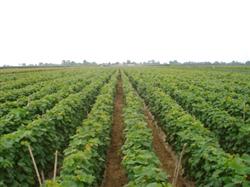
What are the methods for using herbicides on aquatic vegetables?
How can grapes be protected from herbicide damage? Please advise. According to surveys, the harm to grapes from herbicides is also becoming increasingly serious, especially for varieties that sprout and unfold leaves early, such as Vitis amurensis (Amur grape), which suffer particularly severe damage. The leaves of affected plants look as if they have been scalded with boiling water. Later they dry up and fall off, and the clusters also show varying degrees of wilting; in severe cases the berries...
-
How to apply plant growth regulators to fruits and vegetables
Scientific and rational use of several plant growth regulators can effectively control the growth of fruit trees and vegetables at different stages, improve their quality and yield, and increase economic benefits. 1. Ethephon 1. Physical and chemical properties. The pure product is a white crystalline solid, easily soluble in water and ethanol, poorly soluble in benzene and dichloroethane, and in acidic solution...
-
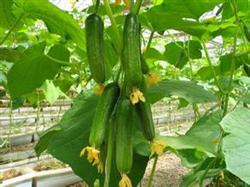
Which pesticides and insecticides can be used on pollution-free vegetables
Biopesticides: BT, whose Chinese name is Bacillus thuringiensis, is a bacterial insecticide. This variety has been fully used in the main vegetable-growing areas of our country and has achieved relatively good economic benefits. However, there are currently many BT manufacturers, and quality varies, so a high-quality variety must be selected when using it. Precautions: BT works...
-
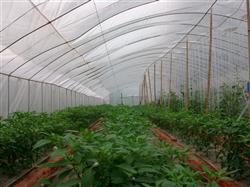
What herbicide is good for growing vegetables under insulation?
In seasons with lower temperatures, to bring vegetables to market earlier and sell them at a good price, in recent years the method of covering with plastic film has often been used to increase temperature and retain heat to promote early maturity and higher yields of vegetables, while also applying chemicals for weed control, which saves labor and increases efficiency. However, years of experience and lessons with chemical weed control under film tell us that if the selected...
-
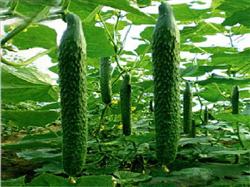
What are the commonly used pesticide insecticides for pollution-free vegetables?
Biological pesticides: BT, whose Chinese name is Bacillus thuringiensis, is a bacterial insecticide. This variety has been fully used in the main vegetable-growing areas of our country and has achieved good economic benefits. However, there are currently many BT manufacturers with varying quality, so a good-quality variety must be selected when using it. Precautions: BT works better when the temperature is slightly higher...
-
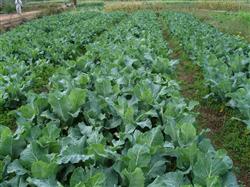
How to use BT insecticide on vegetables
The newspaper published a method for killing pests with BT insecticide. Many vegetable growers called in, some asking how to use BT insecticide, and others discussing with the reporter their experience of using BT insecticide in vegetable production. The reporter put together the insights of the vegetable growers who called in. BT insecticide, that is, Bacillus thuringiensis microbial...
-
What herbicide is good for weed control when growing vegetables?
What herbicide should be used for weed control when growing vegetables? Please advise. When growing vegetables, you can refer to the following methods for weed control: 1. Chemical weed control in cruciferous vegetable fields. For cruciferous vegetables such as Chinese cabbage, radish, cabbage, cauliflower and rapeseed, choose 48% trifluralin emulsifiable concentrate after sowing and before emergence or at transplanting, at 100 ml per mu (667 sq m, the same below), or 33% pendimethalin emulsifiable concentrate at 75 ml per mu.
-
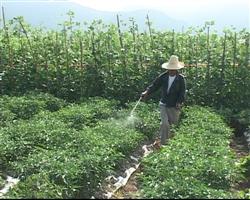
How should plant growth regulators be used correctly on vegetables?
How are plant growth regulators used on vegetables? Please provide guidance. When applying plant growth regulators to vegetables, you can refer to the following methods: 1. Determine the appropriate concentration according to the purpose of use. When using plant growth regulators, different concentrations should be adopted according to the purpose of use, the different vegetable species, and the different stages....
-

Detailed Explanation of Guidelines for the Use of Common Pesticides on Vegetables
Guidelines for the Use of Common Pesticides on Vegetables
-

How to Identify Pesticide Residues on Vegetables? These Methods Are Very Practical
How to Identify Pesticide Residue Levels on Vegetables
条件筛选