-
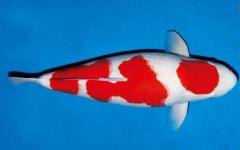
What are the "Big Three" and the "Big Four" Japanese koi varieties? WWD Fish Notes
After koi were made a viral sensation on Taobao last year, koi, after lying quiet for many years, have slowly returned to the public eye. What we call koi generally refers to Japanese koi with distinct characteristics, also known as KOI, while varieties with color that is not vivid are called "local cannons." In other words,
-
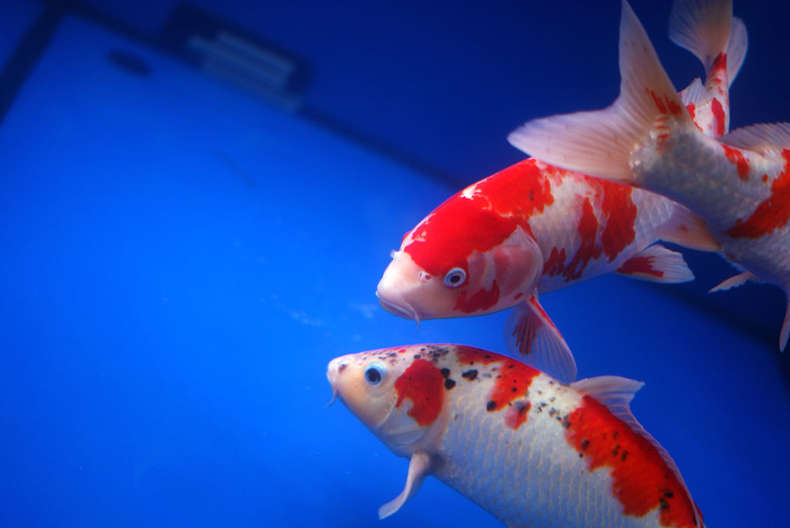
Spiritual Koi Varieties and Fry-Rearing Techniques
1. Specifications of the fry-rearing pond The cement pond area is 1620 m, with a pond depth of 6580 cm; the pond area is 6001500 m, with a pond depth of 150200 cm and an initial water depth of 60 cm. As the fry grow, new water is gradually added until the depth reaches 120 cm. 2. Stocking density During fry rearing, according to fish growth,...
-
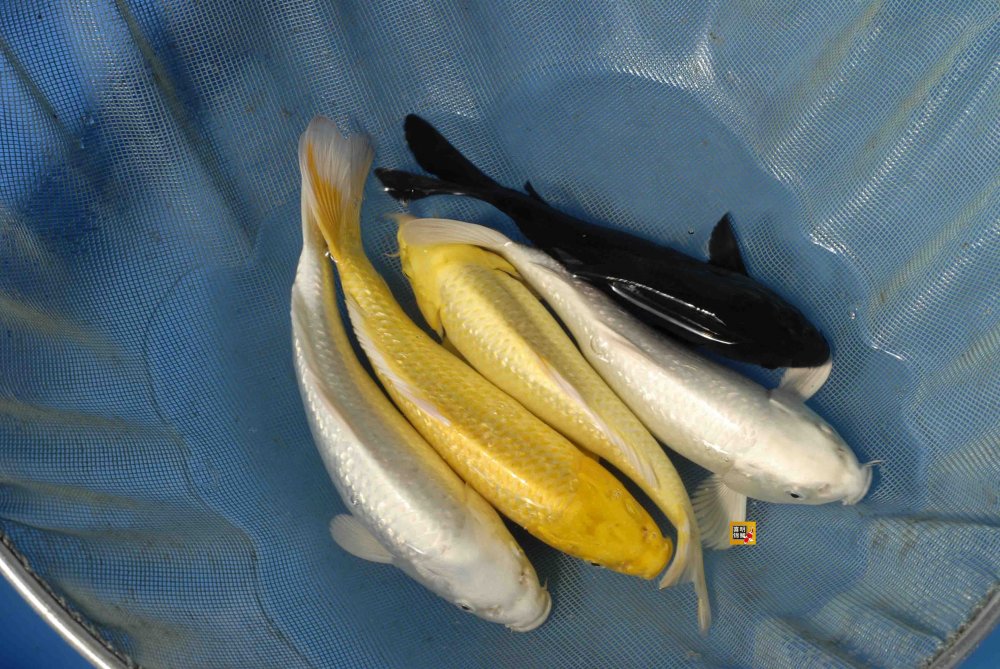
Which Koi Varieties Have Good Colors? Sharing My Personal Breeding Tips
1. Choosing and Setting Up an Aquarium for Koi (1) You should choose an aquarium that suits your own circumstances and budget rather than choosing blindly, but do pick one that is slightly larger to give the koi enough room to move around. (2) Koi have a very high oxygen demand, so the aquarium needs to be equipped with...
-
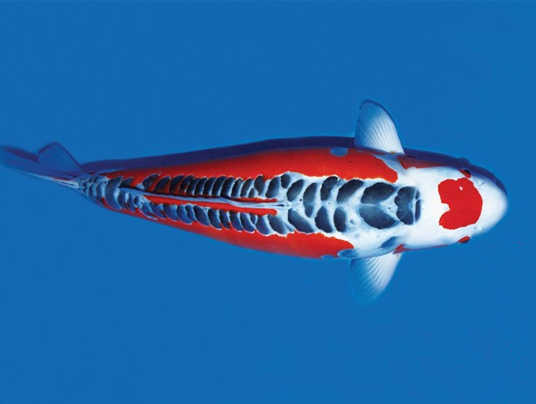
Which koi varieties are said to have spiritual quality? A complete guide for beginners on selecting tategoi
Easier said than done - when it comes to selecting tategoi, this saying truly fits. The act of selecting requires not only years of practice and experience, but also a good eye (discernment). Since everyone's eye differs, this...
-
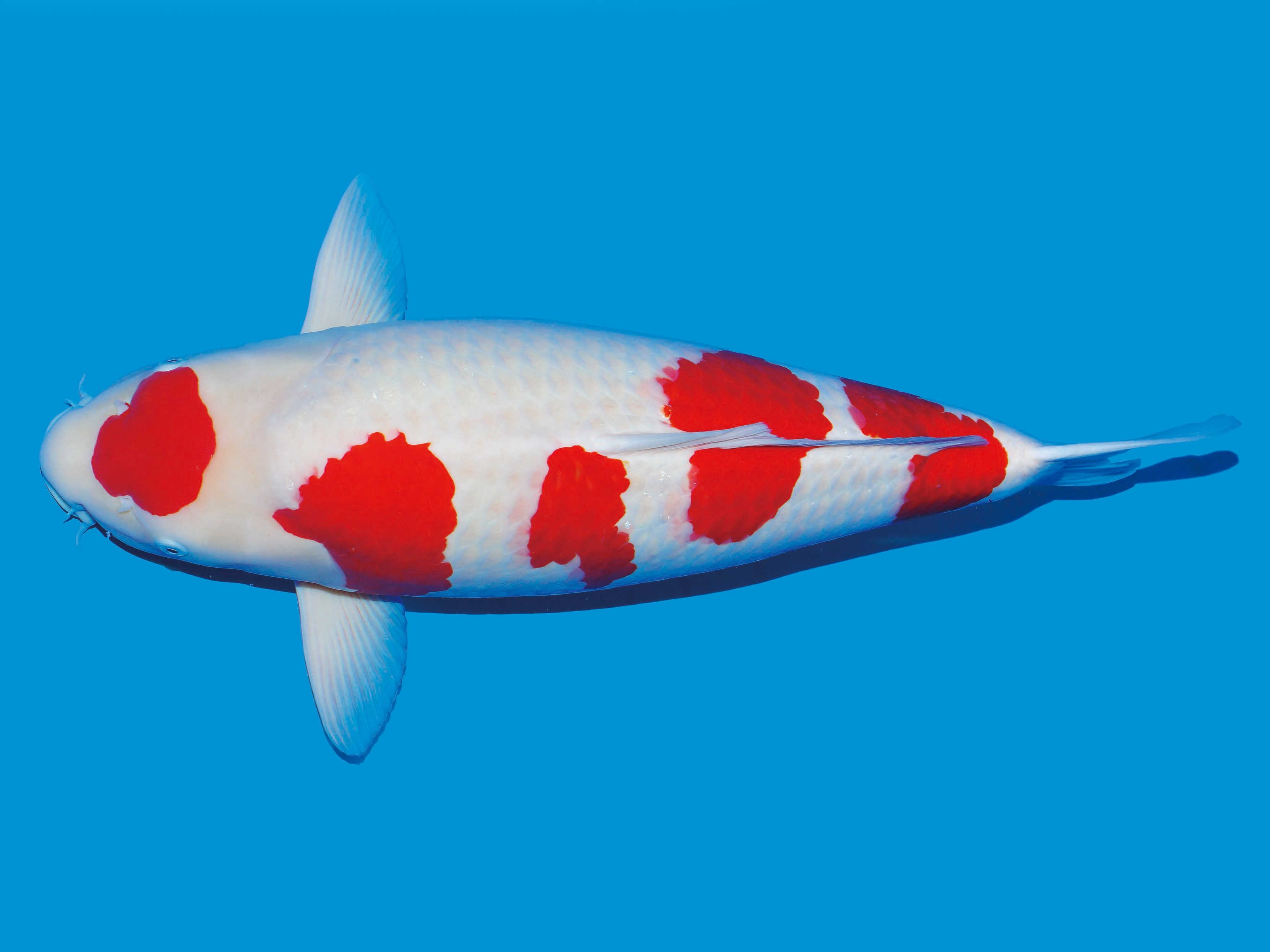
Which Koi varieties have good colors? Detailed guide to selection and culling methods
The culling of koi is mainly about eliminating poor fish and selecting good koi with ornamental value. So how do you cull to select top-grade koi with ornamental value? Culling koi is essentially about looking at the koi's body shape and red markings, and...
-
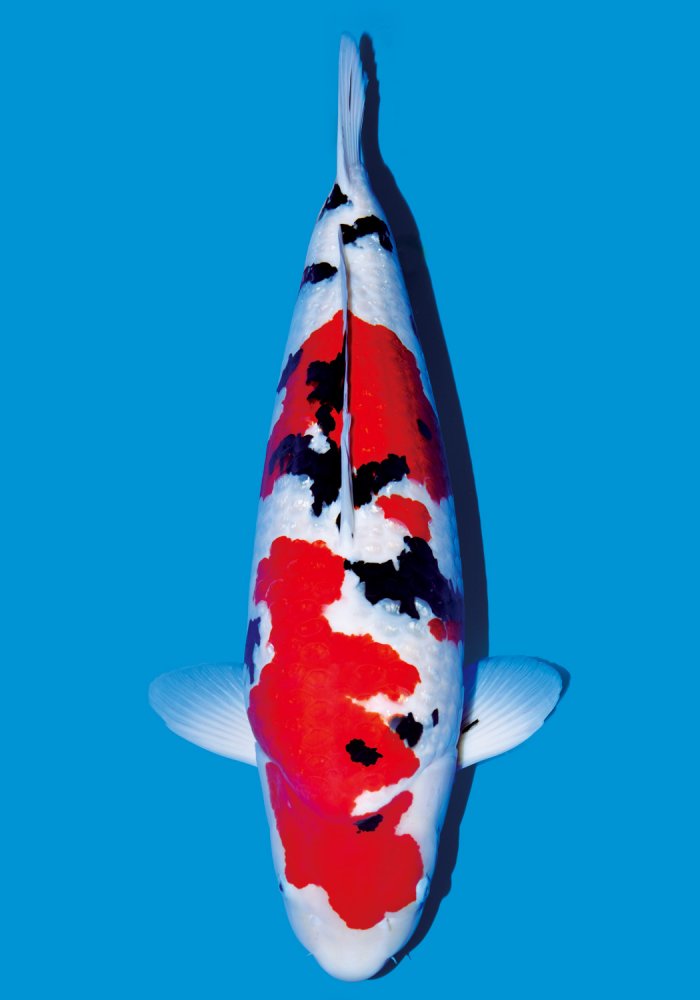
How much are different varieties of koi affected by the pH and carbon dioxide in the water?
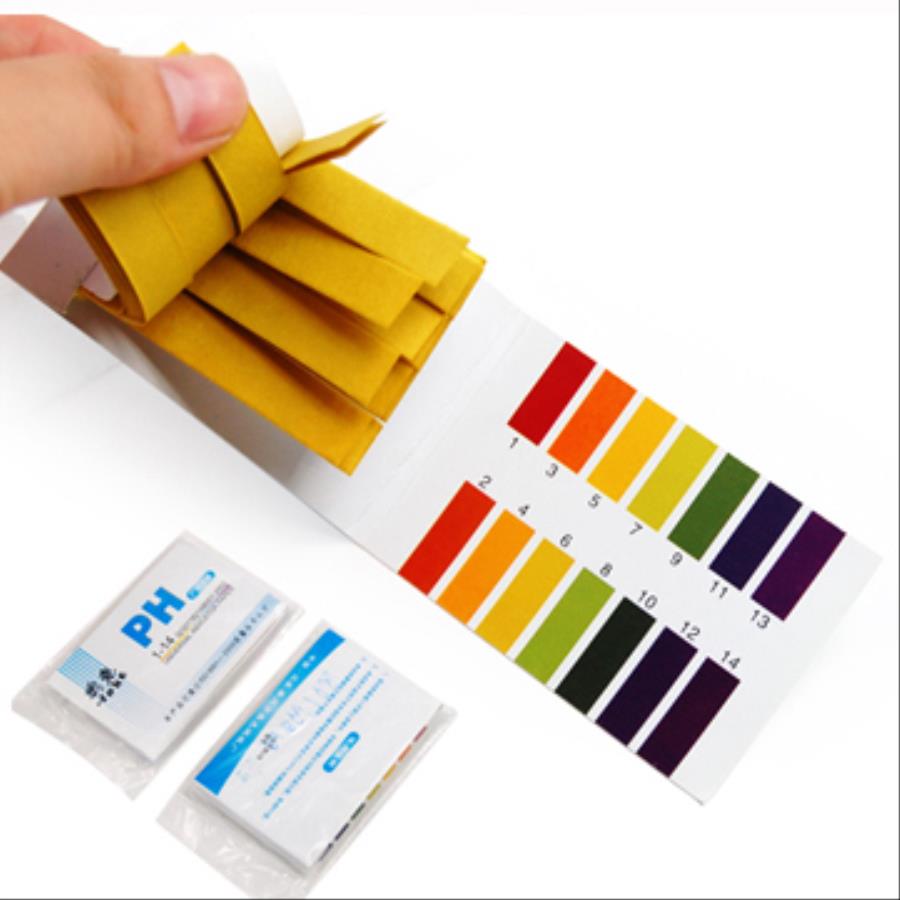
How much do the pH and carbon dioxide in the water affect your koi? (1) The effect of pH: To test the pH of the water, you can use pH test strips, or you can judge by the behavior of the koi. For example, when the water is acidic, the respiration of the koi decreases, and they show slowed activity...
-
Differences Between Koi Varieties and a Detailed Guide to Aquarium Auxiliary Equipment
6. Scoop: either an aluminum scoop or a plastic scoop will do, so that koi can be lifted out together with the water without injuring the fish, ensuring the koi's safety. 7. Plankton net: this is a specialized net for collecting live food. 8. Temporary rearing tank for food: koi fish worms that have been collected or purchased cannot all be...
-
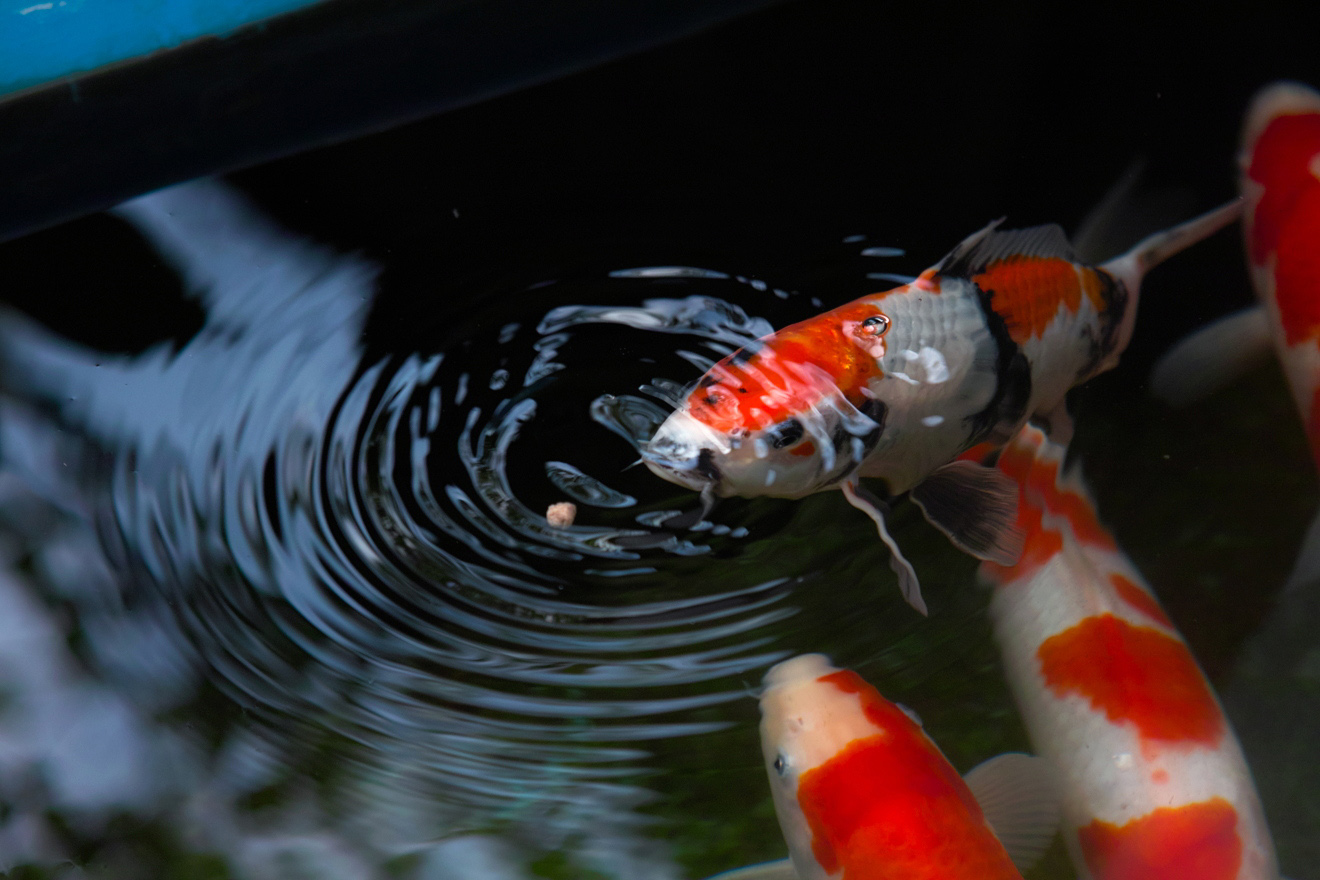
What koi varieties are there? Is this how you change the water for your koi?
Is this how you change the water for your koi? 1. Complete water change: 1. Unplug the power to the rearing equipment, scoop the koi into a container with water at a temperature similar to the original, and place an air stone from an air pump in it to add oxygen, to prevent the koi from suffering oxygen deprivation if the water change takes too long. 2. Drain the stale water in the tank with a...
-
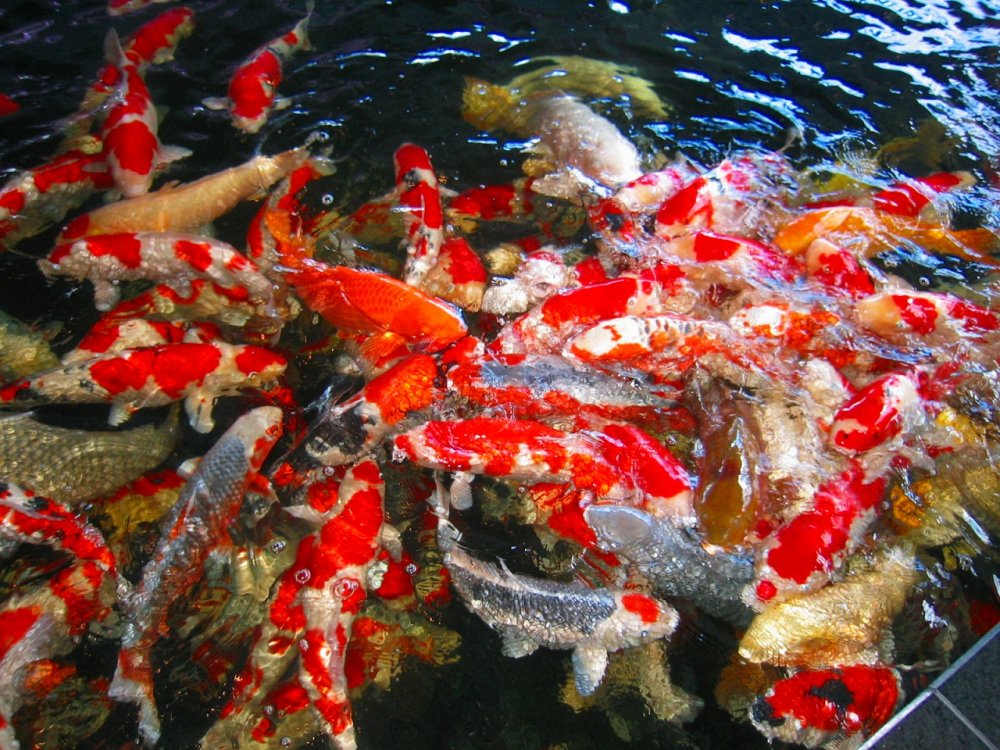
Which koi varieties are considered spiritual? A detailed guide to adult fish farming secrets
1. Stocking time: mid to late May. 2. Fingerling size: body length greater than or equal to 5cm. 3. Fish disinfection: before stocking the fingerlings, disinfect them using the following methods: ① 5% salt water solution, soak for 510min; ② 510mg/L potassium permanganate solution, soak for 510min. 4. Farming...
-

What koi varieties are there? Detailed explanation of the culling method for Kohaku koi fry
Kohaku koi fry culling. When selecting Kohaku, on the head of the small fish you must see the edge of the red patch, and the white of the mouth must be exposed, or there must be a broken pattern behind the mouth; this must be very clear. At the same time, it is best to choose ones with a large pattern on the head; the red patch must not cover the eyes, and you must be able to see...
条件筛选